
China origin / shipment-specific review
Battery Shipping from China
Move lithium batteries and battery-powered products from China with a transport plan built around the actual cargo, packing, route and documents you supply.
BAT Logistics reviews customer/factory-supplied information and coordinates eligible operating parties. Final routing, dangerous-goods acceptance, packing conditions, space, customs and delivery scope remain shipment-specific.
- Battery or equipmentIdentify the physical configuration before choosing a mode.
- Sea, air or multimodalCompare realistic options for the cargo and route.
- Documents before bookingReview model, specification, packing and reports first.
First decision
What are you shipping?
The product configuration changes the information, packing and carrier conditions that may apply. Start with the physical shipment—not a generic freight rate.
Lithium batteries shipped alone
Rechargeable lithium-ion batteries shipped without equipment are commonly assessed under UN3480; non-rechargeable lithium-metal batteries shipped alone are commonly assessed under UN3090. Share the exact model, chemistry, rating, quantity and packing rather than selecting a UN number from a similar product. For rechargeable consumer units, review the separate power bank shipping guide.
Batteries packed with equipment
The battery and equipment travel in the same package, but the battery is not installed. Classification and packing must match the actual relationship between the battery, equipment and outer package.
Batteries contained in equipment
The battery is installed in a phone, laptop, tool, appliance, machine or other product. Provide both equipment and battery models, rating, batteries per item and complete packing arrangement.
Large packs, EV battery packs and BESS
Large packs and energy-storage systems need early review of capacity, condition, dimensions, centre of gravity, lifting points, packing, container plan and destination handling. Damaged, defective, recalled, prototype or end-of-life batteries require separate disclosure.
A useful quote starts here
Send facts that operating parties can review.
A product name alone is not enough to confirm a route or price.
- 01Product and configurationBattery only, packed with equipment or contained in equipment; product use and model numbers.
- 02Chemistry and ratingLithium-ion or lithium-metal; Wh/kWh, voltage, capacity and arrangement.
- 03Quantity and packed weightUnits, cartons, pallets, weight per package and total gross weight.
- 04Dimensions and photographsExternal package dimensions, pallet/container plan and clear packing images.
- 05Origin and destinationSupplier city, destination city/postcode and required delivery point.
- 06Commercial scopeIncoterm, importer/consignee arrangement and port/airport/door requirement.
- 07Cargo-ready dateWhen the goods and complete documents will be available.
- 08Available documentsSpecification, UN38.3 test summary, MSDS/SDS and any mode-specific report supplied by the factory.
Mode decision ledger
Match speed, volume and handling to the cargo.
No mode, carrier, transit time or price applies automatically to every battery shipment.
Sea freight
Worth assessing for container-scale, palletised or less time-critical cargo. FCL can reduce consolidation handoffs; LCL availability may be more restricted. For battery-specific planning, review lithium battery shipping by sea.
Send pallet count, container plan, total weight, photographs, port pair and available DG information.Air freight
Worth assessing when time matters and the configuration is eligible for an available airline and route. Rating, state of charge, packing instruction and operator variations may affect acceptance. For battery-specific planning, review lithium battery shipping by air.
Send exact model, Wh rating, state of charge, package data, ready date and complete supplied documents.Rail freight or road freight
Selected China–Europe, regional or cross-border routes may be assessed after product, packing, terminal/operator and border conditions are checked.
Send cities, required delivery point, pallet/container plan, weight and reports.Courier or express shipping
Small eligible battery-powered products may have courier options, while standalone and higher-capacity batteries can face tighter network limits.
Send item specification, configuration, pieces, package data and destination postcode.Door-to-door shipping or DDP shipping
Assess only where cargo, route, importer arrangement, customs-clearance responsibilities and destination partners are workable.
Send full address, value, importer details, Incoterm and required customs/delivery scope.Before booking
Check the model, reports and packing as one record.
The same product name can cover different battery models. Booking information should match the battery and packing that will physically move.
BAT service boundary: BAT Logistics reviews information supplied by the customer or factory and coordinates relevant freight parties. We do not issue UN38.3, MSDS/SDS, test reports, certificates, permits or licences, and we do not guarantee carrier, customs or authority acceptance.
- Product specificationModel, chemistry, voltage, capacity, Wh rating, configuration and intended use.
- UN38.3 test summaryWhere applicable, check manufacturer, laboratory, report/date, battery description, model and outcome against the product.
- MSDS/SDSUse the current document supplied for the actual product and chemistry.
- Packing and photographsShow protection, outer package, marks/labels where applicable, cartons, pallets and dimensions.
- Additional operating documentsA mode, carrier, terminal or destination may request further reports or approvals for the chosen shipment.
Six operating checks
Turn the enquiry into a defined transport scope.
Shipment facts
Product, model, packing, route, Incoterm, timing and supplied documents.
Information consistency
Compare description, specification, reports, package data and photographs.
Transport options
Review possible modes, routes, operators, equipment and handoffs.
Quotation scope
State included origin, main-carriage, customs and destination work.
Booking and parties
Connect supplier, warehouse, declaration, operator and destination parties.
Milestones
Follow the agreed operating milestones through the included scope.
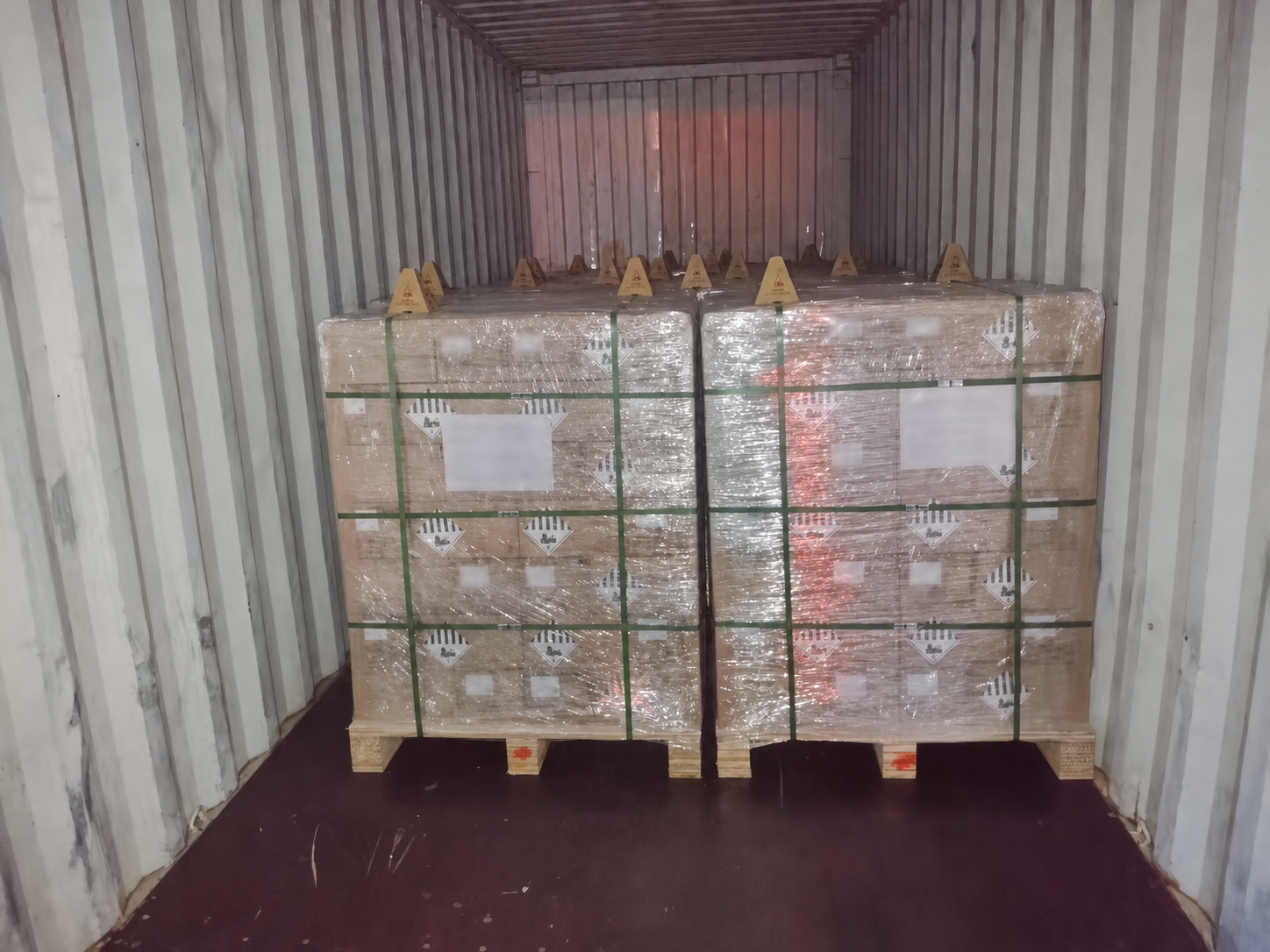
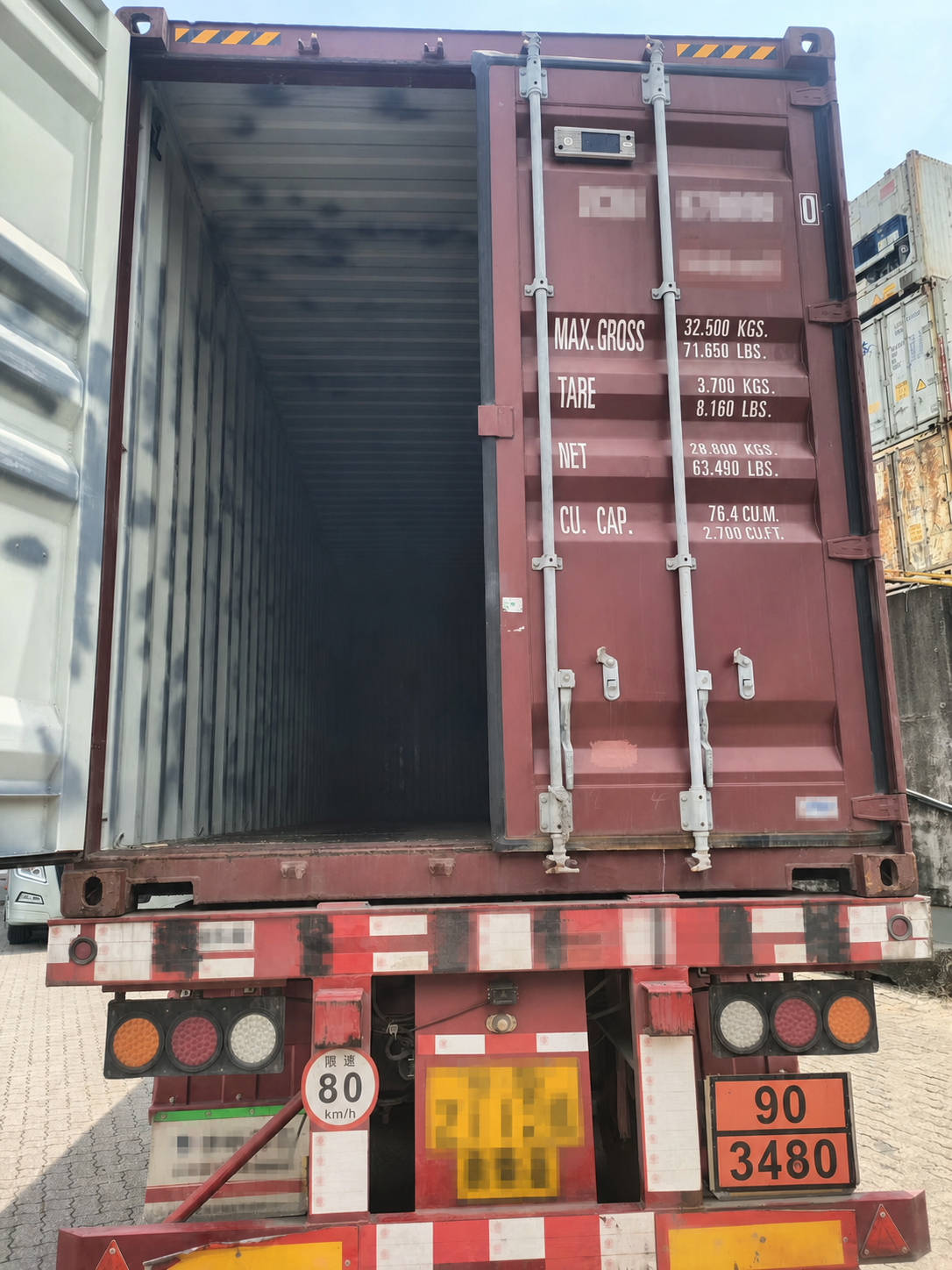
Shenzhen Yantian ↔ Hamburg / 40HQ
Five containers returned after the consignee entered restructuring.
A China factory planned a monthly flow of approximately 15 × 40HQ containing palletised consumer lithium-ion batteries from Shenzhen Yantian to Hamburg. After the destination consignee entered insolvency restructuring, the factory asked for part of the shipped cargo to be returned.
What BAT coordinated
BAT Logistics worked from the factory’s return instruction and coordinated with the relevant destination operating parties to arrange the return movement from Hamburg to Shenzhen Yantian.
Outcome
All five 40HQ containers in the return scope were successfully returned to Shenzhen Yantian and the handover process was completed.
This is one completed return movement. Future returns depend on cargo condition, documents, carrier space, customs, port, insolvency and destination-party conditions.
Common review gaps
Resolve the mismatch before discussing a booking.
Frequently asked questions
Practical answers before you request a quote.
Can BAT confirm whether my battery can be shipped from China?
We can assess the information you provide and check possible routes with relevant operating parties. Final acceptance depends on the actual product, condition, packing, documents, mode, route, carrier/operator and destination requirements.
What information should I send first?
Send product and battery models, chemistry, Wh rating, configuration, quantity, package/pallet weight and dimensions, photographs, origin, destination, Incoterm, ready date and available documents.
Does BAT issue UN38.3 or MSDS/SDS?
No. These must be supplied for the actual product by the customer, factory or responsible issuer. BAT reviews supplied information for the freight assessment and coordinates relevant parties.
Is sea freight always available for lithium batteries?
No universal acceptance applies. Sea options depend on battery, condition, packing, documents, port pair, carrier, equipment, consolidation and destination conditions.
Can lithium batteries move by air?
Some configurations can be assessed. Battery rating, state of charge, packing instruction, package limits, airline variations, route and documentation all need shipment-specific review.
Can you provide door-to-door or DDP battery shipping?
Eligible services can be assessed in selected markets. Importer arrangements, customs responsibility, duties/taxes, destination partner and delivery conditions must be defined in the quotation.
How long will battery shipping take?
Timing depends on mode, route, document readiness, operator review, space, terminal conditions, customs and destination handoffs. Ask for a current shipment-specific plan.
How much does battery shipping from China cost?
The quotation depends on product, classification, condition, packing, chargeable weight/volume, route, mode, equipment, origin work, main carriage, customs, duties/taxes and delivery requirements.
Can you coordinate a return or rejected battery shipment?
We can assess the situation and available operating options. Share cargo location, condition, documents, customs status, carrier information, ownership/return instruction and intended destination. Return feasibility is case-specific.
Start with the shipment
Request a battery shipping plan from China.
Send the product, battery model, chemistry, rating, quantity, packing, weight, dimensions, origin, destination, Incoterm, cargo-ready date and available documents. We will review the information before discussing a route, scope and quotation.
Final routing, dangerous-goods acceptance, packing conditions, space, customs and delivery remain subject to the actual shipment and relevant operating parties.