Shipping Lithium Battery by Sea from China: IMDG Code 42-24 (2026)

Last updated: June 26, 2026 · Reading time: 18 minutes · Author: Bill Guo, Sales Manager, BAT Logistics
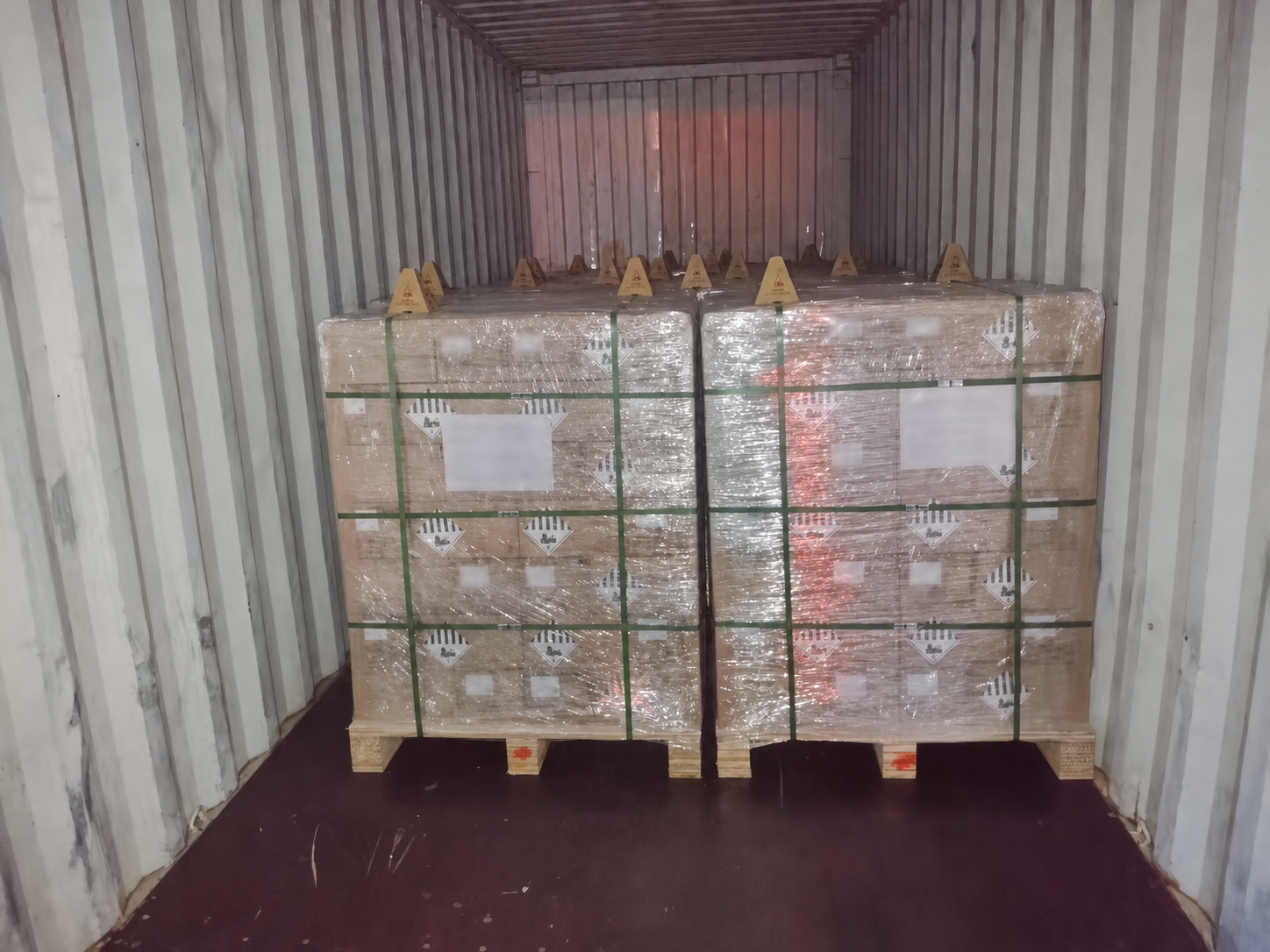
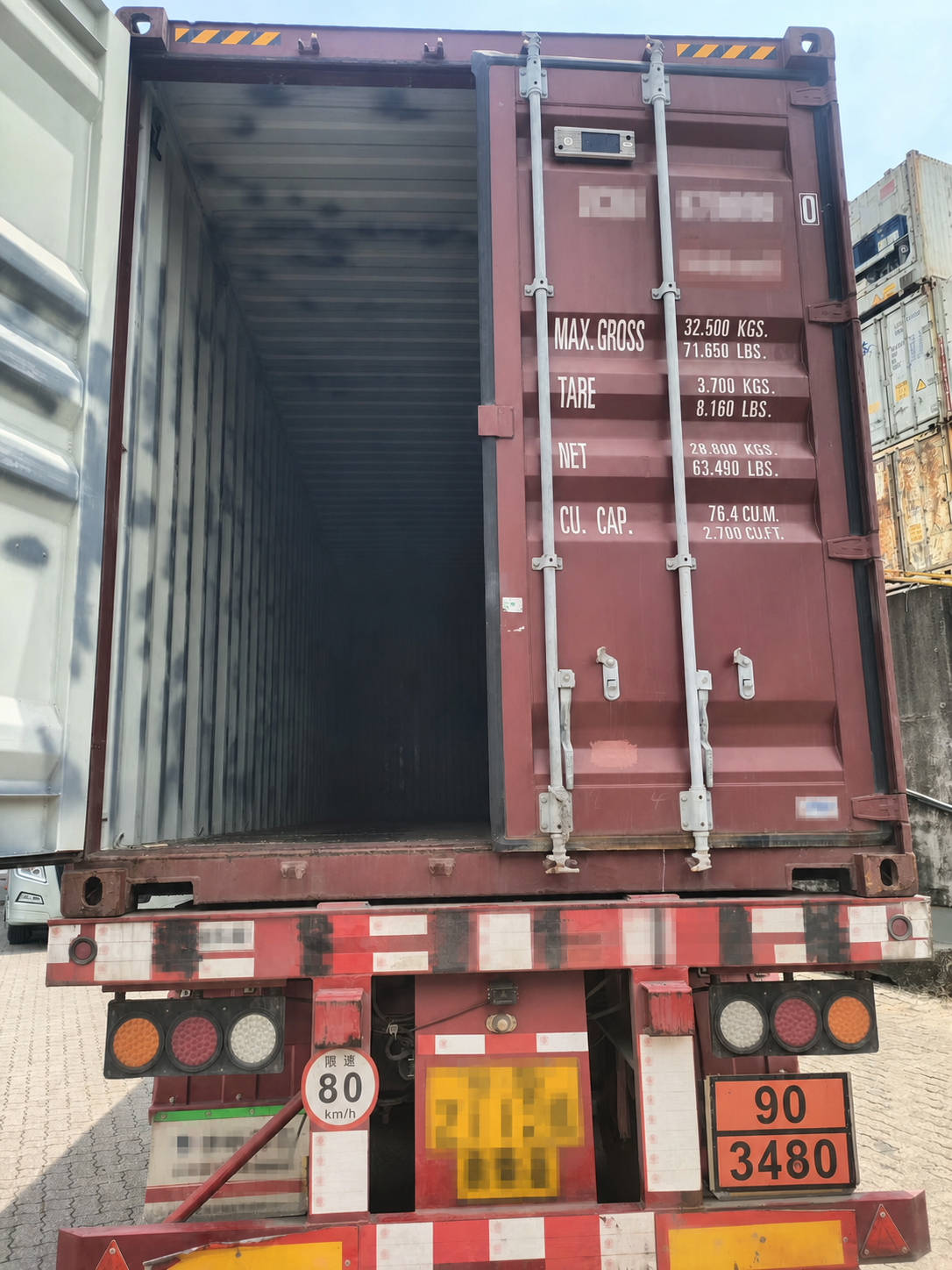
From the BAT desk: Sea is the mode we use most for battery freight — about 70% of our 6,500+ battery shipments have gone by sea. The rules are different from air (no SoC 30% requirement, but the UN classification, packaging, and documentation are stricter in their own way). IMDG Code 42-24 became mandatory January 1, 2026, and it brought a wave of changes — new UN numbers for sodium-ion, new rules for electric vehicles, and tighter enforcement at every major port. This guide is what we wish every first-time sea battery shipper had read before their first container left Yantian.
Table of Contents

Quick Answer (Featured Snippet)
- IMDG Code Amendment 42-24 is mandatory from January 1, 2026. Every sea battery shipment out of China must follow the new edition. The biggest changes: UN3551/3552 for sodium-ion, UN3556-3558 for battery-powered vehicles, and tighter enforcement at major Chinese ports (Shenzhen, Ningbo, Shanghai).
- The right UN classification is the foundation. UN3480 (battery alone) vs UN3481 (battery packed with or in equipment) — a one-digit difference that changes everything: packing instruction, documentation, stowage category, carrier acceptance.
- A reefer container set to 15-25°C is the safe default. Not because the battery needs to be cold, but because temperature stability prevents SoC drift and keeps the cells well below the thermal runaway threshold (typically 45-60°C for Li-ion).
- The 6 core documents are: UN38.3 Test Report, MSDS/SDS, IMO Dangerous Goods Declaration, Class 9 Hazard Label, Lithium Battery Handling Mark, plus the Marine Transport Test Report (a China-specific document).
- Real numbers for 2026: $1,800-3,500 per 40HQ reefer container FCL; $90-140/CBM for DDP; transit 15-35 days depending on destination. Sea is 60-80% cheaper than air for shipments over 500kg, but 10-20x slower.
June 2026 Sea Battery Update (IMDG 42-24 )
1. 4 Sea Freight Service Types (FCL / LCL / Reefer / DDP)
FCL (Full Container Load)
Most CommonYour goods occupy the entire container (20ft/40ft/40HQ). Max volumetric efficiency with minimal touchpoints.
- Best for shipments > 15 CBM
- 15-20% cheaper per CBM than LCL
- Class 9 DG accepted on most routings
- Isolated customs risk (No co-loader delays)
LCL (Less than Container Load)
For Small BatchesShared container space consolidated at origin CFS. Ideal for smaller volumes or sample validation.
- Best for cargo under 15 CBM
- Flexible budgeting for test batches
- ⚠️ Note: Strict CFS warehouse acceptance
- ⚠️ Risk: Co-loader compliance may affect transit
Reefer (Temperature Controlled)
Highly RecommendedActive temperature control set to 15-25°C. Crucial for preventing SoC drift and ensuring stability.
- Mandatory for battery cargo > 500kg
- Prevents extreme tropical port heat (50°C+)
- Full data logger temperature tracking
- Premium protection against thermal runway
DDP (Delivered Duty Paid)
Seamless Door-to-DoorAll-inclusive solution covering ocean freight, export/import clearance, destination duties, and final mile delivery.
- Zero destination broker required
- Fixed transparent landed cost upfront
- Hassle-free customs & tax handling
- Perfect for first-time importers
FCL (Full Container Load) — Most Common for Battery
- Best for: shipments over 15 CBM, large e-bike batches, BESS modules, EV battery packs
- Cost advantage: 15-20% cheaper per CBM than LCL
- Handling: your cargo is only loaded/unloaded at origin and destination — far fewer touch points
- DG acceptance: Class 9 dangerous goods are accepted on most FCL routings (with carrier pre-approval)
- Customs risk: if your container is selected for inspection, only your cargo is examined — no other shipper’s problems can delay you
LCL (Less than Container Load) — For Small Batches
- Best for: shipments under 15 CBM, samples, small e-commerce orders
- Cost disadvantage: 30-50% more per CBM than FCL
- Handling risk: cargo is handled at origin CFS, consolidated with other goods, de-consolidated at destination CFS — each touch point is a damage opportunity
- DG acceptance: not all warehouses accept Class 9 battery cargo for LCL consolidation. Many CFS facilities will refuse your cargo outright.
- Customs risk: if another shipper’s goods in the same container have an issue (customs hold, contamination, mis-declaration), your cargo can be delayed or quarantined
Reefer (Refrigerated Container) — Recommended for All Battery
- Best for: any battery shipment over 500kg, any shipment through tropical waters, any shipment with SoC > 30% (yes, sea doesn’t have the SoC rule, but a stable temperature is still your friend)
- Cost: USD 400-800 reefer surcharge per container, on top of FCL ocean freight
- Temperature monitoring: all reefers have data loggers; you can pull the temperature record at destination
- The why: lithium batteries in a tropical port can hit 50-60°C in a dry container. That’s thermal runaway territory. A reefer holds the temperature at a level that keeps the cells well within safe operating range
DDP (Delivered Duty Paid) Door-to-Door — Easiest for First-Timers
- Best for: first-time shippers, anyone who doesn’t have a destination broker
- What we handle: ocean freight, export customs, import customs, duty/VAT payment, last-mile delivery
- What you handle: origin pickup (or we handle that too), accurate commercial invoice, accurate HS code
- The catch: DDP requires accurate HS codes and product values upfront. If you under-declare the value, you might save on duty but face penalties later. If you over-declare, you pay more duty than needed.
Your shipment | Best service |
|---|---|
< 5 CBM, sample size | LCL or DHL/FedEx |
5-15 CBM, small batch | LCL (if warehouse accepts DG) or FCL if speed matters |
15-30 CBM, regular batch | FCL reefer (most common) |
30+ CBM, large batch | FCL reefer or multiple containers |
First time, no destination broker | DDP |
Tropical route or summer | FCL reefer (no exceptions) |
2. UN Classification Deep Dive (7 Numbers You Need to Know)
Lithium-Ion Batteries
The workhorse for bulk battery shipments. Power banks, e-bike battery packs, and BESS modules shipped alone without equipment.
- Class: 9 (Dangerous Goods)
- Packing Group: II (Medium Danger)
- Packing Instruction: P903
- Stowage: Category A (On/Under deck)
Li-Ion Packed / Contained
Batteries contained inside devices (e.g., laptops, smartphones) or packed together with the equipment in the same outer box.
- Class: 9 (Dangerous Goods)
- Packing Instruction: P905 / P906
- SP 188 Eligible: If < 100Wh per battery
- Lighter packaging rules apply
Sodium-Ion Batteries
Covers standalone sodium-ion cells, modules, and battery packs with organic electrolytes (e.g., CATL/BYD commercial volumes).
- Mandatory: Effective Jan 1, 2026
- Class: 9 (Dangerous Goods)
- Packing Instruction: P903 provisions
- Strictly checked at Shenzhen/Ningbo
Sodium-Ion In/With Equipment
The sodium-ion equivalent of UN3481. Applies to sodium-ion batteries installed in or packed with scooters or devices.
- Class: 9 (Dangerous Goods)
- Packing Instruction: P905 / P906
- Requires specific 2026 MSDS update
- Different handling mark declarations
Li-Ion Powered Vehicles
New classification for complete e-bikes, e-scooters, and small EVs driven by lithium-ion batteries. Phasing out the old UN3171.
- Scope: Complete vehicle units
- Packing Instruction: P905
- Carrier pre-approval required
- Active rejection policy if misdeclared
Lithium Metal Batteries
Non-rechargeable primary cells (e.g., bulk watch batteries, military gear, medical devices). Highly sensitive to heat.
- Class: 9 (Dangerous Goods)
- Limits: 1g per cell / 2g per battery
- Packing Instruction: P904
- Stricter carrier stowage rules
Li-Metal In/With Equipment
Lithium metal batteries contained inside or packed with equipment (e.g., smoke detectors, tracking sensors with primary cells).
- Class: 9 (Dangerous Goods)
- Packing Instruction: P905 / P906
- Subject to aggregate lithium limits
- Requires standard Class 9 DG labeling
UN3480 — Lithium-Ion Batteries (Standalone)
- Class: 9 (Miscellaneous Dangerous Goods)
- Packing Group: II (medium danger)
- Packing Instruction: P903
- Label: Class 9 diamond + Lithium Battery Handling Mark
- Stowage: Category A (on deck or under deck, away from heat sources)
UN3481 — Lithium-Ion Batteries (Packed With or Contained In Equipment)
- Class: 9
- Packing Group: II
- Packing Instruction: P905 or P906
- Label: Class 9 + Lithium Battery Handling Mark
- Stowage: Category A
UN3090 — Lithium Metal Batteries (Standalone)
- Class: 9
- Packing Group: II
- Packing Instruction: P904
- Lithium content limits: 1g per cell, 2g per battery
- Label: Class 9 + Lithium Battery Handling Mark
UN3091 — Lithium Metal Batteries (Packed With or Contained In Equipment)
UN3551 — Sodium-Ion Batteries (Standalone) — 2026 NEW
- Class: 9
- Packing Group: II
- Packing Instruction: P903 (with sodium-ion specific provisions)
- Label: Class 9 + Lithium Battery Handling Mark (sodium-ion included in 2024 update)
- 2026 enforcement: major ports are actively checking for the correct UN number
UN3552 — Sodium-Ion Batteries (Contained in or Packed with Equipment) — 2026 NEW
UN3556 / UN3557 / UN3558 — Battery-Powered Vehicles — 2026 NEW
- UN3556 — Lithium-ion battery powered vehicles
- UN3557 — Lithium-metal battery powered vehicles
- UN3558 — Sodium-ion battery powered vehicles (under SP 404, exempt from IMDG if battery is short-circuited with no electrical energy)
Quick UN Selection Cheat Sheet
Scenario | UN # | PI |
|---|---|---|
Bulk power bank in boxes | UN3480 | P903 |
Power bank in retail box with cable | UN3481 | P906 |
Phone with battery installed | UN3481 | P905 |
E-bike battery alone (pack, no bike) | UN3480 | P903 |
E-bike as complete unit (battery installed) | UN3556 | P905 |
Bulk sodium-ion battery pack | UN3551 | P903 |
Sodium-ion battery in scooter | UN3552 | P905 |
Bulk watch batteries | UN3090 | P904 |
Smoke detector with Li-metal cell | UN3091 | P905 |
Damaged/defective battery (any chemistry) | Same UN + SP 376 | P910 |
3. P903-P911 Packing Instructions (7 PI Every Sea Shipper Should Know)
P903 — Lithium-Ion Standalone (UN3480)
- Packaging performance level: Packing Group II (medium danger, passes 1.2m drop test, 100kPa stacking test)
- Inner packaging: each cell or battery in a non-conductive inner package (plastic bag, foam pocket, individual compartment)
- Short circuit prevention: terminals protected, no contact with conductive materials in the same package
- Outer packaging: strong rigid outer (fiberboard, plastic, metal) meeting 4.1.1.1, 4.1.1.2, 4.1.1.5 IMDG requirements
- Weight limit: 30kg max net weight per package for sea (35kg for air under PI 965)
- Marking: UN number, proper shipping name, Class 9 label, Lithium Battery Handling Mark
P904 — Lithium Metal Standalone (UN3090)
P905 / P906 — Lithium Batteries in/with Equipment (UN3481)
- P905 = contained in equipment (battery installed)
- P906 = packed with equipment (battery separate from equipment but in same outer)
P908 / P909 — Damaged/Defective Batteries (Non-SP376 cases)
P910 — Damaged/Defective Batteries Under SP 376
- Show signs of damage (swelling, denting, leakage)
- Have been identified as defective by the manufacturer
- Cannot pass UN38.3 testing
- Each cell/battery individually packed in inner packaging, placed in outer packaging
- Inner pack surrounded by sufficient non-combustible, electrically non-conductive thermal insulation material
- Cells/batteries with net mass exceeding 30kg: limited to one per outer packaging
- Outer packaging must be UN-certified, Packing Group I performance level
- Special marking: “DAMAGED/DEFECTIVE LITHIUM BATTERIES” in 12mm font
- Carrier pre-approval mandatory (this is the most expensive, most paperwork-heavy scenario)
- Cost: 3-5x normal battery shipping
P911 — Lithium Batteries for Recycling/Disposal
Which PI Do I Need?
Your scenario | UN # | PI |
|---|---|---|
Bulk battery, no defects | UN3480 | P903 |
Battery in working device | UN3481 | P905 |
Battery + device, not installed | UN3481 | P906 |
Damaged or swollen battery | Same UN | P910 + SP 376 |
End-of-life battery for recycling | Same UN | P911 |
4.SP 188 Exemption — When You Don't Need Full DG
The Thresholds
- Lithium-ion / sodium-ion cells: watt-hour rating not more than 20Wh
- Lithium-ion / sodium-ion batteries: watt-hour rating not more than 100Wh
- Lithium metal cells: lithium content not more than 1g
- Lithium metal batteries: aggregate lithium content not more than 2g
- UN38.3 tested: the cell or battery type has passed the 8 UN38.3 tests
- Short circuit protection: terminals protected, no risk of short circuit during transport
- Strong outer packaging: meets general packaging requirements of 4.1.1.1, 4.1.1.2, 4.1.1.5
What You Get If You Qualify
- ✅ No full Dangerous Goods Declaration (DGD)
- ✅ No IMO shipper’s declaration
- ✅ No Class 9 hazard label required (Lithium Battery Handling Mark still required)
- ✅ No special stowage category
- ✅ No carrier DG pre-approval
- Small consumer electronics (phone batteries, laptop batteries) shipped in retail packaging
- Small power banks under 100Wh shipped in retail packaging
- IoT device batteries shipped inside the device
- Small drone batteries under 100Wh
What You Don’t Get
- UN38.3 test report (current, model-matching)
- MSDS
- Commercial invoice + packing list
- Lithium Battery Handling Mark on each package
- A statement on the transport document: “Transport in accordance with special provision 188”
5. Reefer Container Setup (15-25°C + Temperature Monitoring)
Why Temperature Matters for Lithium Batteries
- SoC drift: higher temperatures cause the cell’s voltage to drift upward, simulating a higher state of charge than measured
- Accelerated aging: high temperatures permanently damage cell chemistry, reducing cycle life
- Reduced thermal runaway threshold: the cell becomes more sensitive to physical damage, internal short circuits, and external abuse
The Reefer Setup We Use
- Set point: 15-25°C (we typically set 20°C as a safe middle ground)
- Ventilation: 15 CBM/hour fresh air exchange (default reefer setting)
- Humidity: 60-70% relative humidity (default reefer setting)
- Temperature monitoring: all modern reefers have data loggers; we pull the temperature record at destination
- Pre-cooling: we pre-cool the reefer to set point before loading the battery cargo (this is critical — loading warm cargo into a reefer doesn’t help)
The Reefer Surcharge
- $400-800 per 40HQ reefer container for China → US/Europe/Australia
- Higher in Q4 peak season (October-December) due to reefer equipment scarcity
- Plus the cost of the reefer container itself (vs. dry container): $50-150 per day usage
When You Can Skip the Reefer
- 100kg of consumer power banks, Shenzhen to Hamburg in February
- 150kg of phone batteries, Shanghai to Rotterdam in November
- 50kg of watch batteries, Ningbo to Long Beach in January
6. 6 Documents for Sea Battery (Checklist)
UN38.3 Test Report & Summary
The foundational safety test report. Proves the battery model has passed the 8 mandatory environmental and mechanical stress tests.
Carriers now audit the 7-field Test Summary at the booking stage. Must match your exact battery model.
MSDS / SDS (16 Sections)
The chemical identity card of the battery. Outlines composition, emergency fire-fighting measures, and safe handling procedures.
Section 14 (Transport Information) must explicitly reference IMDG Code Amendment 42-24 for 2026 sailings.
Marine Transport Test Report
A China-specific certification issued by authorized local labs (e.g., Shanghai Research Institute, CQC) verifying suitability for ocean transit.
Mandatory for customs clearance at Shenzhen, Ningbo, and Shanghai ports. Valid for the current calendar year.
IMO Dangerous Goods Declaration
The formal shipper’s declaration for maritime transport. Contains critical cargo details including correct Stowage Categories.
Must be completed and signed by a certified DG specialist. Misdeclaration leads to heavy carrier fines.
Dangerous Goods Packaging Certificate
Officially known as 出境危险货物运输包装使用鉴定结果单. Proves that the outer UN-approved packaging matches the danger level of the goods.
Issued by China Customs (CIQ) after inspecting the factory’s packaging line. Required for all bulk UN3480 shipments.
Commercial Invoice & Packing List
Standard trade documents, but heavily customized for DG. Must accurately reflect net/gross weights and detailed cell specifications.
Descriptions must seamlessly align with the MSDS, HS Code, and the total cell count declared in your UN38.3.
① UN38.3 Test Report + Test Summary
② MSDS / SDS (Material Safety Data Sheet)
③ IMO Dangerous Goods Declaration (DGD)
④ Class 9 Hazard Label + ⑤ Lithium Battery Handling Mark
- Class 9 diamond: 100mm × 100mm minimum, black “9” underlined on orange background, same side of every package
- Lithium Battery Handling Mark: rectangular, 120mm × 110mm minimum, with battery symbol, “Lithium batteries” text, and handling instructions
⑥ Marine Transport Test Report
⑦ IMO Multimodal Dangerous Goods Form (sometimes required)
⑧ Container Packing Certificate (CPC) + VGM (Verified Gross Mass)
7. 6 Real Case Studies (China → 5 Destinations + 2 Special Scenarios)
Case 1: Power Bank, 5,000kg, Yantian → Los Angeles (FCL Reefer)
- UN: UN3480 (standalone battery)
- PI: P903
- SoC: 50% (no 30% limit at sea)
- Documentation: UN38.3 current, Marine Transport Test Report, MSDS, IMO DGD, Class 9 labels, Lithium Battery Handling Mark
- Container: 40HQ reefer, set to 20°C
- Cost: $2,400 ocean freight + $650 reefer surcharge + $350 documentation fee = $3,400 total
- Transit: 18 days door-to-door
- Result: shipped on time, no issues. The reefer temperature log showed stable 19-21°C throughout the voyage.
Case 2: E-Bike Battery, 18,000kg, Ningbo → Hamburg (40HQ Reefer)
- UN: UN3480 (standalone battery)
- PI: P903
- SoC: 70% (sea doesn’t have the 30% rule)
- Documentation: full set, including the German receiver’s EORI number and the EU 2023/1542 carbon footprint declaration
- Container: 40HQ reefer, set to 18°C
- Cost: $3,200 ocean freight + $700 reefer surcharge + $450 documentation fee = $4,350 total
- Transit: 32 days door-to-door
- Result: shipped on time, cleared EU customs in 4 days. The carbon footprint declaration was checked but accepted.
Case 3: Solar BESS, 25,000kg, Shanghai → Sydney (FCL Reefer)
- UN: UN3480 (standalone BESS module)
- PI: P903
- SoC: 50%
- Container: 2x 40HQ reefer, set to 20°C
- Cost: $2,800 per container ocean freight + $700 reefer surcharge = $7,000 total
- Transit: 22 days door-to-door
- Result: shipped on time, AU customs cleared in 6 days. The RCM marking was pre-checked before shipment.
Case 4: Phone Replacement Batteries, 800kg, Shenzhen → Rotterdam (LCL)
- UN: UN3481 (in equipment — the retail packaging)
- PI: P906 (packed with equipment)
- Documentation: SP 188 exemption was considered, but the LCL warehouse required full DG documentation
- Container: LCL consolidation in a 40HQ reefer shared with other compatible cargo
- Cost: $130/CBM × 4 CBM = $520 plus LCL service fees
- Transit: 38 days door-to-door (slower because of LCL handling at both ends)
- Result: shipped, but the LCL warehouse rejected the cargo twice before accepting. Lesson: not all LCL warehouses accept Class 9 battery cargo.
Case 5: Sodium-Ion Battery (UN3551), 3,000kg, Guangzhou → LAX (NEW 2026)
- UN: UN3551 (sodium-ion standalone, 2026 NEW)
- PI: P903 (with sodium-ion provisions)
- SoC: 50%
- Documentation: UN38.3 (sodium-ion specific test), Marine Transport Test Report, MSDS, IMO DGD, Class 9 labels
- Container: 40HQ reefer, set to 20°C
- Cost: $2,600 ocean freight + $650 reefer surcharge = $3,250 total
- Transit: 19 days door-to-door
- Result: shipped, but Maersk initially rejected the booking because the booking system didn’t have UN3551 in the dropdown. After a 2-day back-and-forth and manual override, the booking went through. The carrier now has UN3551 in their system. This is the kind of friction you’ll encounter with new UN numbers in 2026.
Case 6: Damaged Battery (P910), 1,500kg, Ningbo → Houston (Special Approval)
- UN: UN3480 + SP 376 (damaged/defective)
- PI: P910 (most stringent)
- Documentation: full set + damage assessment report + carrier pre-approval + carrier-specific damaged battery protocol
- Container: 40HQ dry container with extra safety measures (double-sealed, special placards)
- Cost: $8,500 ocean freight + $2,200 P910 surcharge + $1,500 special documentation + $1,200 carrier approval = $13,400 total
- Transit: 28 days door-to-door
- Result: shipped, but required 3 weeks of advance planning for the carrier pre-approval. The shipping line (MSC) conducted a remote inspection of the cargo before approval.
8. 2026 Sea Freight Costs (China → 5 Destinations)
Battery Sea Freight Estimator (2026)
Sea Freight Cost Per 40HQ Reefer Container (USD, all-in, 2026)
Origin → Destination | Transit | FCL Reefer (40HQ) | DDP per CBM (1-15) | DDP per CBM (15-50) | DDP per CBM (50+) |
|---|---|---|---|---|---|
China → USA (LAX/LGB via SHA/NGB) | 16-22 days | $2,200-3,800 | $200-350 | $160-260 | $130-200 |
China → USA East Coast (NYC/SAV) | 28-35 days | $2,800-4,200 | (price unavailable) | (price unavailable) | (price unavailable) |
China → UK (Felixstowe via SHA) | 28-35 days | $2,500-4,000 | $250-400 | $200-300 | $160-240 |
China → EU (Rotterdam/Hamburg) | 28-38 days | $2,500-4,200 | $250-400 | $200-300 | $160-240 |
China → Australia (Sydney/Melbourne) | 18-25 days | $2,800-4,000 | $300-450 | $250-350 | $200-300 |
China → Canada (Vancouver/Montreal) | 22-30 days | $2,500-3,800 | $250-400 | $200-300 | $160-240 |
Cost Breakdown Per Container
- Ocean freight base: $2,000-2,400 (60-70% of total)
- Reefer surcharge: $400-700 (15-20%)
- Documentation fee: $300-500 (10-15%)
- Carrier DG surcharge: $200-400 (5-10%)
- Insurance (0.3-0.5% of cargo value): $150-300 (5-10%)
LCL vs FCL Cost Comparison
- LCL: ~$130/CBM × 10 = $1,300 (plus LCL fees, total $1,500-1,800)
- FCL (if you can fill 50+ CBM with other compatible cargo or pay for the full container): $3,000 / 50 CBM = $60/CBM (much cheaper per CBM, but you need the volume)
When to Choose Sea Over Air
Shipment | Sea | Air |
|---|---|---|
< 100kg, urgent | Not economical | $5-10/kg, 1-3 days |
100-500kg, regular | $2-5/kg, 15-30 days | $6-9/kg, 2-3 days |
500-2,000kg, regular | $2-4/kg, 15-30 days | $5-7/kg, 2-3 days |
2,000+kg, regular | $1-3/kg, 15-30 days | $4-6/kg, 2-3 days |
Damaged batteries | Sea only (air prohibited) | N/A |
Sodium-ion | Either (UN3551/3552 accepted by both) | Either |
9. 5 Major Shipping Lines (What Each One Is Good At)
Maersk Line
The industry benchmark for structured dangerous goods safety audits. Known for having the most transparent, clear battery acceptance policy globally.
- Best For: High-value BESS modules & EV battery packs.
- Core Strength: Dedicated global DG expert desk; rapid 24-hour booking approval.
- Acceptance: Full scope for UN3480/3481, UN3551/3552, and UN3556-3558.
Mediterranean Shipping Co.
The world’s largest container line by capacity. Offers unparalleled space allocation and flexible routing option parameters out of China ports.
- Best For: Mass-volume standalone UN3480 contract logistics.
- Core Strength: Stable space allocation even during Q4 peak season. Highly competitive contract rates.
- Acceptance: Excellent support for heavy tier Class 9 containers on long-haul routes.
CMA CGM
The go-to carrier for US and European premium services. Exceptional terminal priority and intermodal rail connections across North America.
- Best For: Fast-transit battery shipments to US West/East Coast.
- Core Strength: EXX/EX1 express lines offer guaranteed loading and fast discharge slots at LAX.
- Acceptance: Strict technical review on UN38.3 test summaries but highly reliable once approved.
Hapag-Lloyd (HPL)
Renowned for its state-of-the-art reefer container fleet. Exceptional choice when strict 15-25°C active cooling telemetry is required.
- Best For: Trans-oceanic routes through tropical waters in summer.
- Core Strength: Industry-leading IoT live remote temperature tracking and strict cell-stability monitoring.
- Acceptance: Preferred carrier for large-scale energy storage battery container projects.
Ocean Network Express
The magenta fleet features an optimized layout for Intra-Asia, Japan, and Latin American trade corridors. Extremely nimble customer support.
- Best For: High-frequency regional shipments (E-bikes / Consumer electronics).
- Core Strength: Fast approval for 2026 newly classified UN3551 Sodium-ion volumes.
- Acceptance: Flexible packaging requirements for SP188 exempt battery goods.
Maersk — The Premium Choice
- Strengths: Well-documented procedures, dedicated DG team, global network, transparent pricing
- Battery acceptance: Class 9 (UN3480, UN3481, UN3090, UN3091, UN3551, UN3552) accepted on most routings
- Limitations: Some peak season capacity issues; book 2-3 weeks in advance for guaranteed loading
- Pricing: Premium (10-15% higher than CMA CGM/COSCO for some routes)
- Best for: high-value cargo, complex documentation, when you need a “no surprises” experience
MSC — The Volume Leader
- Strengths: High capacity, competitive pricing, strong China-US network
- Battery acceptance: Most Class 9 accepted, but acceptance is decided “case-by-case” per their published guidelines
- Limitations: Documentation review can be slower than Maersk
- Pricing: Mid-range (5-10% lower than Maersk for similar routes)
- Best for: large volumes, price-sensitive shipments, China-US East Coast routes
CMA CGM — The French Option With Wide Acceptance
- Strengths: Strong China-Europe network, accepts most battery types, publishes detailed IMDG 42-24 summary (one of the first to do so)
- Battery acceptance: Comprehensive, including damaged batteries under P910 with pre-approval
- Limitations: US network less developed than Maersk/MSC
- Pricing: Competitive for Europe, slightly higher for US
- Best for: China-Europe routes, when you need to ship damaged batteries
COSCO — The Chinese National Champion
- Strengths: Domestic China expertise, strong transpacific, accepts all battery types
- Battery acceptance: Comprehensive, including new 2026 UN numbers (UN3551, UN3552)
- Limitations: Less strong on China-Europe direct services compared to CMA CGM
- Pricing: Often the most competitive for China-US routes
- Best for: China domestic + transpacific, when you need Chinese-language support
Hapag-Lloyd— The German Specialist
- Strengths: Excellent European service, high reliability, accepts battery cargo
- Battery acceptance: Standard Class 9, with extra scrutiny on damaged/defective batteries
- Limitations: Limited China-US direct services
- Pricing: Mid-to-premium
- Best for: China-Europe routes when you need premium service
Our Practical Recommendation
10. 8 Common Sea Battery Mistakes (And How to Avoid Them)
11. FAQ — The 10 Questions We Get Every Week About Sea Battery Shipping
12. References & Sources
- IMDG Code, Amendment 42-24 (2024 Edition, mandatory January 1, 2026) — International Maritime Organization
- UN Recommendations on the Transport of Dangerous Goods, 21st Edition (Orange Book) — United Nations
- UN Manual of Tests and Criteria, 8th Edition, Section 38.3 — United Nations
- MSC.556(108) — Resolution adopting IMDG Code Amendment 42-24 — IMO Maritime Safety Committee
- CINS Guidelines for Shipping Lithium-ion Cells and Batteries in Containers (April 2026 Edition) — Cargo Incident Notification System
- Maersk Battery Shipping Policy (2026 Update) — A.P. Moller-Maersk
- CMA CGM IMDG Code 42-24 Detailed Summary — CMA CGM
- MSC Booking Guidance for Lithium Battery (May 2024) — Mediterranean Shipping Company
- CTU Code (Code of Practice for the Packing of Cargo Transport Units) — IMO/ILO/UNECE
- CSS Code (Code of Safe Practice for Cargo Stowage and Securing) — IMO
- CINS Lithium-ion Battery Incident Database — CINS
- BAT Internal Records (2024-2026) — 6,500+ battery shipment data, anonymized