

Shipping from China to the UK
Plan the cargo, route and UK handoff together. Compare ocean, air, express and door-delivery options—with specialist review for batteries and battery-powered products.
Start with the cargo and the UK delivery plan.
Before comparing rates, establish four facts.
Build the mode around urgency, cargo and acceptance.
The lowest main-carriage rate is not always the lowest usable end-to-end option.
Ocean freight — FCL or LCL
Often the starting point for heavier, container-scale or less time-sensitive cargo. Battery shipments still depend on dangerous-goods acceptance, packing and consolidation compatibility.
Assess
Port pair, equipment, direct or transshipment service, terminal charges and UK inland delivery.
Air freight
For urgent, high-value or production-critical cargo when the configuration, packing instruction and airline/operator rules permit acceptance.
Assess
Chargeable weight, dimensions, state of charge where applicable, screening and airport handoffs.
Express and parcel
For eligible smaller shipments. Battery-only cargo, power banks and some battery-powered products can face extra carrier and package restrictions.
Assess
Battery configuration, package limits, consignee/importer details and postcode coverage.
UK road or rail handoff
Road or rail can connect a UK seaport to an inland destination after arrival. It is a destination handoff, not a direct China–UK rail service.
Assess
Port availability, container haulage, rail terminal, unloading and final-site conditions.
Door delivery
Door delivery is a service scope. Define China pickup, export handling, main carriage, import declaration, terminal handoff and UK final delivery in the quotation.
Define
Importer, customs representative, duty/VAT responsibility, postcode and unloading conditions.
Match the China origin to the UK destination.
China origin
Shanghai and Ningbo for ocean; Shanghai Pudong for accepted air cargo.
Shenzhen and Guangzhou pickup with South China gateway options.
Qingdao, Tianjin and nearby consolidation points.
Pickup and consolidation before an accepted export gateway.
United Kingdom destination
A major container gateway to compare for London, the Midlands and wider inland delivery.
A south-coast option when the live service and final destination fit.
Alternative port discussions depend on current service, cargo and delivery location.
Heathrow, Manchester, East Midlands or another airport subject to current cargo acceptance.
Gateway examples are not guaranteed routings. Compare live service, battery acceptance where relevant, customs procedure and the final UK postcode.
Use service bands, not promises.
For eligible smaller shipments with consignee and carrier acceptance in place.
Acceptance, flight plan, screening, customs and UK delivery all affect elapsed time.
Origin port, direct or transshipment routing, UK port and inland delivery change the range.
Planning note: Current booking conditions, route diversions, congestion, customs checks, storage and inland appointments can change any estimate. Confirm the shipment-specific plan before relying on a date.
What changes a China–UK freight quotation?
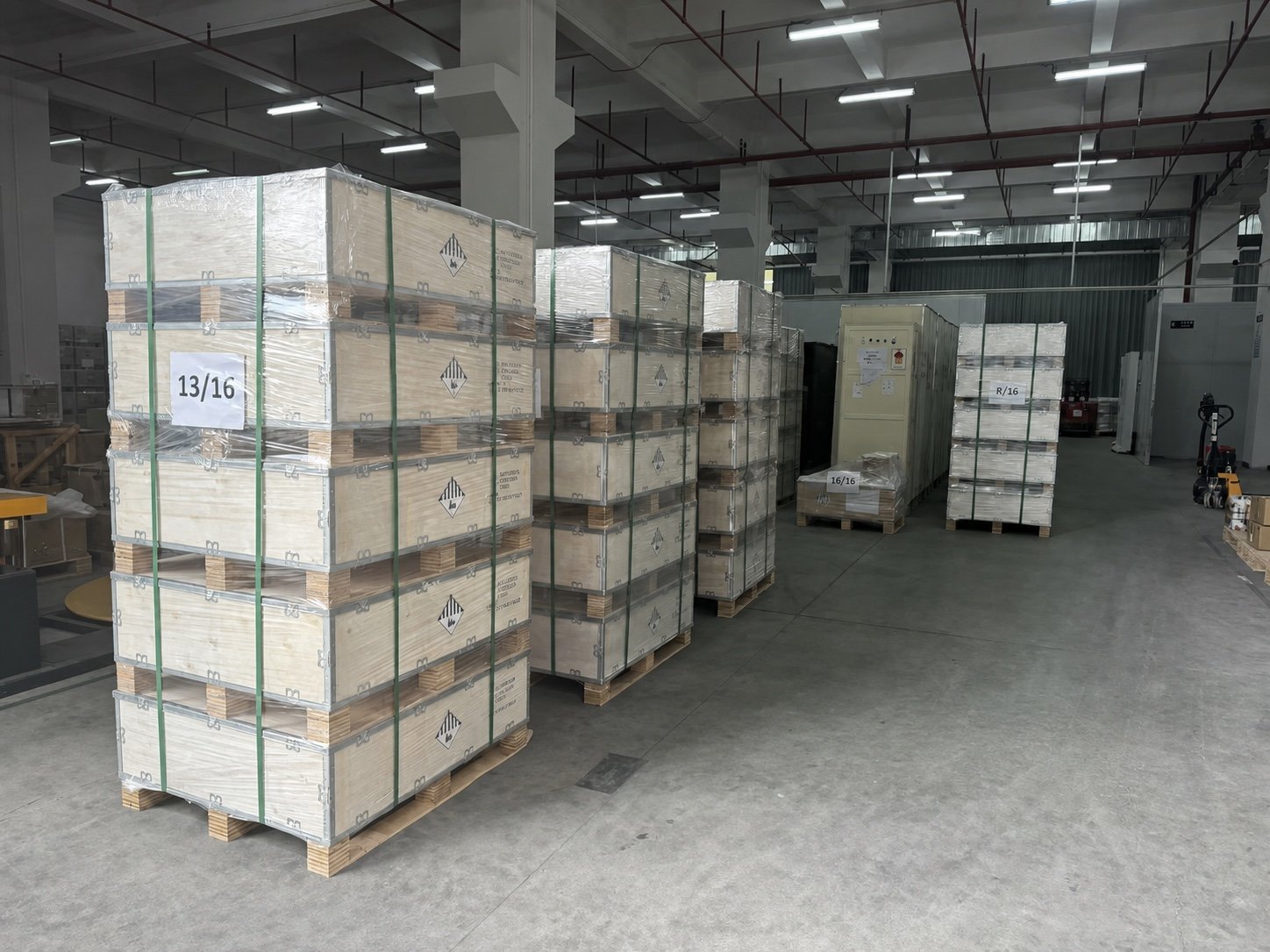
Transport review and UK import planning are separate checks.
Start with the product specification, battery chemistry and configuration, UN number where known, watt-hour rating or lithium content, packing, supplied UN38.3 test-summary information, SDS/MSDS where available, photos, quantity, weight and dimensions.
For air, current IATA/ICAO provisions and operator variations affect acceptance. Ocean bookings depend on the applicable dangerous-goods provisions and operator rules. UK customs classification, product compliance and importer obligations are separate from transport acceptance.
Supplied shipment information, missing inputs, suppliers, warehouses, carriers and named destination parties.
UN38.3 reports, SDS/MSDS creation, laboratory certification, importer obligations, carrier acceptance or customs clearance.
Seven handoffs from enquiry to UK delivery.
Shipment facts
Cargo, packing, origin, destination, Incoterm, ready date and documents.
Information review
Identify missing inputs and possible route restrictions.
Mode and gateway
Compare ocean, air, express and door scope.
Current acceptance
Check operator, packing and regulated-cargo conditions.
China coordination
Align pickup, warehouse or loading and export handling.
Importer data
Align commodity, value, EORI and VAT instructions with the responsible importer or customs representative.
UK delivery
Complete arrival, customs release and delivery through the named parties.
Importer boundary: the responsible importer confirms the applicable customs procedure, commodity code, value, EORI, duty/VAT treatment and product obligations. Great Britain and Northern Ireland are not interchangeable destinations for customs planning.
Send enough information for a useful route answer.
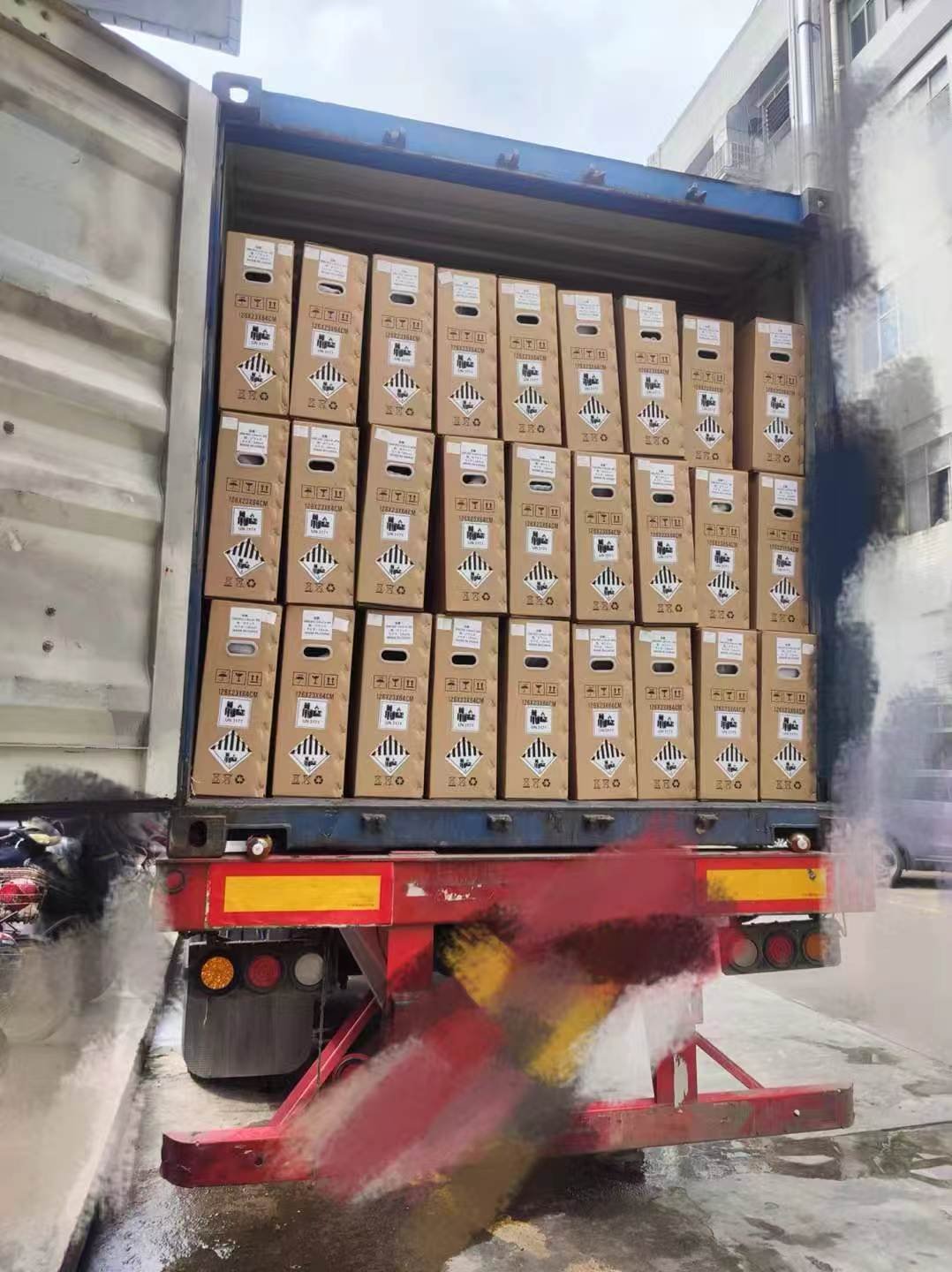
One route desk across the China and UK handoffs.
The useful value is confirming the facts before cargo moves—not making generic guarantees.
BAT Logistics focuses on China-origin coordination, shipment-information review, mode and gateway comparison, supplier, warehouse and carrier communication, and the UK handoffs defined in the quotation.
Questions before you book.
What is the best way to ship from China to the UK?
It depends on cargo, volume, urgency, operator acceptance and final postcode. Ocean commonly fits larger or less urgent freight; air or express may fit eligible urgent shipments. Compare the complete handoff rather than only the main-carriage rate.
Which UK port should I use?
Felixstowe, Southampton, London Gateway, Liverpool or another gateway may fit depending on live service, cargo acceptance, final destination and inland cost. The best port is shipment-specific.
Can batteries ship by air to the UK?
Some shipments can when classification, configuration, state of charge where applicable, packing, documentation and airline/operator rules are satisfied. Acceptance is shipment-specific.
Does the importer need a UK EORI number?
An EORI may be needed depending on the movement, destination and party making or instructing the declaration. Confirm the correct EORI and representation setup with the responsible importer or customs representative before booking.
Can an importer use postponed VAT accounting?
Eligible UK VAT-registered businesses may account for import VAT on their VAT Return when the conditions and declaration instructions are met. The importer—not BAT—decides the treatment and gives written instructions to the customs party.
Are UKCA and CE requirements the same for every product?
No. Marking and product-compliance requirements are sector- and market-specific, and Great Britain and Northern Ireland can differ. The importer should verify the current rule for the exact product before placing it on the market.
Does BAT issue UN38.3 reports or SDS/MSDS?
No. BAT reviews supplied information and identifies missing shipment inputs. Testing, report issuance and SDS/MSDS creation remain with qualified manufacturers, laboratories or document issuers.
Can BAT arrange UK door delivery?
Eligible door delivery can be assessed. Share the full postcode, unloading conditions, importer/customs setup and Incoterm so every included handoff can be stated.
Request a shipment-specific UK route plan.
Send the cargo, China origin, UK destination, packing, quantity, weight, dimensions, Incoterm, available documents, ready date and battery details where relevant.
BAT will review the shipment facts before discussing mode, gateway, service scope and quotation.