
Shipping from China to Vietnam-Complete Guide 2026: Rates, Transit Times & Best Methods

Last updated: June 17, 2026 · Reading time: 18 minutes · Author: Bill Guo, Sales Manager, BAT Logistics
Table of Contents
Vietnam is ASEAN’s #5 economy (USD 470B GDP) with 100M+ consumers and China’s largest trading partner by volume (USD 200B+ bilateral trade in 2024) for 20+ consecutive years. The China–Vietnam freight lane is Asia’s #1 cross-border freight corridor by volume — uniquely supported by 2,000+ km of land border with 3 major crossings (Huu Nghi/Friendship Pass, Lao Cai, Mong Cai), 22 major seaports (Hai Phong, Cat Lai, Cai Mep – Thi Vai), and 3 international cargo airports (SGN, HAN, DAD). Sea freight transits in just 3-7 days from South China to Cai Mep – Thi Vai (6.1M TEU 2024) or Hai Phong (7.5M TEU 2024), while air freight takes 3-6 hours to Tan Son Nhat (SGN) or Noi Bai (HAN).
This guide covers everything you need to know about shipping from China to Vietnam in 2026: shipping methods and 2026 costs, 5 Chinese export ports, 6 Vietnamese container ports, 3 cargo airports, 3 critical land border crossings (Huu Nghi Friendship Pass, Lao Cai, Mong Cai), Vietnam VAT 10% (2026+, up from 8% in 2024-2025), VNACCS/VCIS electronic customs, ACFTA Form E + RCEP Form RCEP + CPTPP Form CPTPP (Vietnam was CPTPP founding member in 2019), 5 regulatory bodies, “China+1” manufacturing migration (Samsung, LG, Intel, Foxconn), and dangerous goods compliance under IATA DGR 67th Edition (2026) and IMDG Code 42-24.
Quick Reference: Shipping from China to Vietnam (June 2026)
Factor | Detail |
|---|---|
2024 China-Vietnam bilateral trade | USD 200+ billion (China = Vietnam’s #1 trading partner, 20+ consecutive years) |
MFN import duty | 0% to 50%+ (HS-specific, average ~9%) |
VAT (Value Added Tax) | 10% from 2026-01-01 (was 8% during 2024-02 to 2025-12 reduction) |
Special Consumption Tax (SCT) | 0% to 100%+ (vehicles, alcohol, tobacco, sugar) |
ACFTA preferential tariff | 0% on 90% of categories (Form E) |
RCEP preferential tariff | 0% on most categories (Form RCEP) |
CPTPP preferential tariff | 0% on 95%+ of categories (Form CPTPP, Vietnam was 2019 founding member) |
EVFTA (indirect) | 0% (for re-export to EU, 2020+) |
Customs authority | General Department of Vietnam Customs (GDVC) |
Customs system | VNACCS / VCIS (electronic single-window) |
Top container port (South) | Cai Mep – Thi Vai — 6.1M TEU 2024 |
Top container port (North) | Hai Phong — 7.5M TEU 2024 |
Top container port (HCMC) | Cat Lai (TCIT) — 5.5M TEU 2024 |
Main cargo airports | SGN (Tan Son Nhat) + HAN (Noi Bai) + DAD (Da Nang) |
Critical land borders | Huu Nghi (Friendship Pass), Lao Cai, Mong Cai |
2026 regulation updates | VAT 8% → 10%, CPTPP 5-year review, RCEP 2026 expansion, IATA DGR 67th, IMDG 42-24 |
Why Ship from China to Vietnam in 2026? (5 Strategic Reasons)
1. China = Vietnam's #1 Trading Partner (USD 200B+ in 2024)
Bilateral trade exceeded USD 200 billion in 2024, with China as Vietnam’s #1 trading partner for 20+ consecutive years. Vietnam’s trade volume with China is larger than Vietnam’s trade with the USA (USD 110B) and the EU (USD 70B) combined. Vietnam is ASEAN’s 5th largest economy (USD 470B GDP 2024) with 100M+ consumers and is one of the world’s fastest-growing emerging markets (6.5%+ GDP growth). China supplies electronics, machinery, textiles, fabrics, solar panels, EV parts, two-wheeler components, furniture, chemicals, and consumer goods at scale. Chinese FDI into Vietnam reached USD 4.5 billion in 2024 (cumulative > USD 80B).
2. 2,000+ km Land Border = 3 Critical Crossings (Unique in ASEAN)
Unlike Singapore, Indonesia, and the Philippines, Vietnam shares a 2,000+ km land border with China (Guangxi + Yunnan provinces), enabling road and rail freight in addition to sea and air:
- Huu Nghi / Friendship Pass (友谊关) — the #1 China-Vietnam border crossing for both road and rail freight, connecting Pingxiang (凭祥, Guangxi) with Dong Dang (Lạng Sơn). Handles 70%+ of all China-Vietnam land freight.
- Lao Cai / Hekou (河口) — the #1 China-Vietnam rail crossing (standard-gauge, freight trains), connecting Kunming (Yunnan) with Hanoi.
- Mong Cai / Dongxing (东兴) — the #1 Vietnam-Northeast China crossing, connecting Fangchenggang (Guangxi) with Quang Ninh (gateway to Hai Phong).
This land freight capability gives Vietnam a unique cost and time advantage for inland Chinese suppliers (Guangxi, Yunnan, Hunan, Sichuan, Chongqing).
3. "China+1" Manufacturing Migration = Massive Supply Chain Demand
Vietnam is the #1 beneficiary of the global “China+1” manufacturing diversification strategy. Major companies have shifted massive production to Vietnam:
- Samsung (Vietnam = 50% of global smartphone production, USD 65B+ cumulative investment, 170,000+ employees)
- LG Electronics (USD 5.4B+ investment, Haiphong factory)
- Intel (USD 1.5B Saigon Hi-Tech Park fab, the largest in Southeast Asia)
- Foxconn (USD 1.3B Bac Ninh, iPad production)
- Luxshare (USD 3B Bac Giang, AirPods production)
- Pegatron, Wistron, Compal (laptop / electronics ODM)
- Toyota, Honda (motorcycle + auto production)
These factories drive massive demand for Chinese components, raw materials, machinery, and DG cargo (lithium batteries, solar cells, etc.).
4. Triple FTA Coverage (ACFTA + RCEP + CPTPP) = 0% Tariff for Most Products
Vietnam is one of the few ASEAN countries with 3 overlapping preferential trade agreements with China:
- ACFTA (ASEAN-China FTA) — in force since 2003, 90% of categories at 0% with Form E issued by Chinese CCPIT
- RCEP (Regional Comprehensive Economic Partnership) — in force since 2022, most categories at 0% with Form RCEP
- CPTPP (Comprehensive and Progressive Agreement for Trans-Pacific Partnership) — in force since January 2019 (Vietnam was a founding member, ratified early), 95%+ of categories at 0% with Form CPTPP
This triple coverage means almost any Chinese export to Vietnam can achieve 0% MFN duty with proper documentation. BAT’s trade compliance team prepares all 3 forms and selects the most beneficial per shipment.
5. 22 Major Seaports + 3 International Cargo Airports
Vietnam operates one of Southeast Asia’s densest port networks:
- North: Hai Phong (7.5M TEU), Lach Huyen (deep-water 1.5M TEU), Cai Lan (0.5M TEU)
- Center: Da Nang (1.4M TEU), Quy Nhon (0.5M TEU)
- South: Cai Mep – Thi Vai (6.1M TEU, world top 50), Cat Lai / HCMC (5.5M TEU), Vung Tau, Can Tho
Plus 3 international cargo airports: SGN (Tan Son Nhat, 700K tons) + HAN (Noi Bai, 250K tons) + DAD (Da Nang, 80K tons). This network offers redundancy, competitive pricing, and direct connections to 200+ global ports.
Vietnam as ASEAN Manufacturing Hub
1. "China+1" Manufacturing Migration
Vietnam is the #1 beneficiary of “China+1” with USD 36 billion in FDI in 2024 (record high), driven by:
- Electronics: Samsung (170K employees), LG (Haiphong), Intel, Foxconn, Luxshare, Pegatron
- Garments & Textiles: 8,000+ factories, USD 40B+ export value (3rd largest globally)
- Footwear: Nike, Adidas, Puma (USD 26B+ export value, 2nd largest globally)
- Furniture: 4,500+ factories (USD 14B export value)
- Auto + Motorcycles: Toyota, Honda, VinFast (Vietnam’s own EV brand, USD 5B+ investment)
- Solar + BESS: Trina, JA Solar, Longi (massive BESS for solar farms)
- Batteries: LG Energy, Samsung SDI, VinES (USD 8B+ investment in BESS/EV batteries)
2. Industrial Zones (IZ) & Export Processing Zones (EPZ)
Vietnam has 750+ industrial zones (IZs) and 17 export processing zones (EPZs):
- Major Northern IZs: Bac Ninh, Thai Nguyen, Hai Phong, Hanoi (Soc Son)
- Major Central IZs: Da Nang, Quang Nam
- Major Southern IZs: Binh Duong, Dong Nai, Binh Phuoc, Long An, Tay Ninh
- Saigon Hi-Tech Park (SHTP) — Intel, Samsung, Schneider, Jabil
- Tan Thuan EPZ — HCMC, the first EPZ (1991)
- VSIP (Vietnam-Singapore Industrial Park) — multiple locations, Binh Duong flagship
In EPZ:
- 0% import duty on raw materials for export production
- 0% VAT on imported inputs
- Free-trade-zone benefits
- Unlimited storage time
BAT operates FTZ/EPZ support for clients consolidating China → Vietnam → global export supply chains.
3. Vietnam FDI 2024 (Record High)
- Total FDI 2024: USD 36+ billion (record)
- Top 5 source countries: Singapore, South Korea, Japan, China, Hong Kong
- Top 5 sectors: Electronics, garments, real estate, manufacturing, retail
Shipping Methods from China to Vietnam (6 Options)
Best for: 15+ CBM, electronics, machinery, furniture, consumer goods, automotive parts, garments, shoes.
Transit time: 3-7 days (port-to-port)
- South China (Shenzhen/Yantian/Shekou) → Hai Phong (North): 3-5 days
- South China → Cat Lai / Cai Mep (South): 3-5 days
- South China → Da Nang (Center): 4-6 days
- East China (Shanghai/Ningbo) → Hai Phong: 5-7 days
- North China (Qingdao/Tianjin) → Hai Phong: 7-10 days
2026 FCL rates (China → Vietnam):
- 20GP: $300 – $700 (short-haul, 3-5 days)
- 40GP: $500 – $1,100
- 40HQ: $600 – $1,300
- Reefer 40HQ (DG Class 9): $1,800 – $3,200
Major carriers: COSCO, ONE, Maersk, MSC, CMA CGM, ZIM, PIL, Yang Ming, Evergreen, Wan Hai, SITC
Top 4 direct routes:
- Yantian → Hai Phong (3-5 days, most cost-effective)
- Yantian → Cat Lai (3-4 days)
- Yantian → Cai Mep (3-4 days)
- Shanghai → Hai Phong (5-7 days)
Best for: 1-15 CBM, small business, samples, e-commerce.
Transit time: 5-10 days (port-to-port); 10-15 days door-to-door
2026 LCL rates: $30 – $90 per CBM (Yantian → Hai Phong)
LCL consolidation hubs in China: Yantian, Shekou, Shanghai, Ningbo, Xiamen, Qingdao, Nanning (for road consolidation)LCL deconsolidation in Vietnam: Hai Phong, Cat Lai, Da Nang
Best for: 45+ kg, high-value electronics, urgent samples, semiconductors, pharmaceuticals, lithium battery samples.
Transit time: 1-2 days (airport-to-airport), 2-4 days (door-to-door)
2026 air freight rates (China → Vietnam):
- General cargo (< 100 kg): $3.50 – $6.50/kg
- General cargo (> 100 kg): $2.00 – $3.50/kg
- DG Class 9 (lithium ≤30% SoC): $5.50 – $10.00/kg
- Pharma cold chain (2-8°C): $6.50 – $12.00/kg
- Express (DHL/FedEx/UPS): $4.50 – $10.00/kg
Key routes:
- SZX → SGN (3-4h, 8+ daily via China Southern, Vietnam Airlines, Cathay)
- HKG → SGN (3h, 10+ daily via Cathay, Vietnam Airlines, HK Airlines)
- PVG → SGN (5-6h, 5+ daily via China Eastern, Vietnam Airlines, China Southern)
- CAN → HAN (4-5h, 6+ daily via China Southern, Vietnam Airlines)
- SZX → HAN (4-5h, 6+ daily via China Eastern, Vietnam Airlines, China Southern)
- HKG → HAN (3-4h, 8+ daily via Cathay, Vietnam Airlines)
- PVG → DAD (5-6h, 2-3 daily via China Eastern, Vietnam Airlines)
- SZX → DAD (4-5h, 3-4 daily via China Southern, Vietnam Airlines)
4. Land Freight (Road + Rail) — Friendship Pass + Lao Cai + Mong Cai
Best for: 1-30 CBM, time-sensitive cargo, southern China suppliers, factory-direct.
Transit time:
- Road (Guangxi/Nanning → Huu Nghi → Hanoi): 1-2 days
- Road (Yunnan/Kunming → Lao Cai → Hanoi): 2-3 days
- Road (Guangxi/Fangchenggang → Mong Cai → Hai Phong): 1-2 days
- Rail (Kunming → Lao Cai → Hanoi): 3-4 days (Yuxi-Mohan-Phnom Penh-SGN pan-Asia rail is planned for 2026+)
2026 land freight rates (China → Vietnam):
- Road (1-15 CBM): $80 – $220/CBM
- Road (15+ CBM FCL via Huu Nghi): $1,800 – $3,000/FCL
- Rail (full container): $2,200 – $3,500/FCL
- Road (DG Class 9): +30-50% surcharge
Best for: 0.5-50 kg, urgent small parcels, e-commerce B2C, samples.
Transit time: 1-4 days (door-to-door)
2026 express rates (China → Vietnam):
- Documents: $12 – $35
- Small parcels (1-5 kg): $18 – $60
- Medium parcels (5-20 kg): $8 – $20/kg
- DG (lithium battery with MSDS): $13 – $35/kg (with carrier approval)
Vietnam B2C e-commerce: Vietnam’s e-commerce market is USD 25B+ in 2024 and growing at 25%+ annually, with Shopee, Lazada, TikTok Shop, Tiki as top platforms.
Best for: B2C e-commerce, first-time importers, Vietnamese retail.
Transit time: 5-10 days (door-to-door, depending on sea/air)
Service inclusions: Factory pickup + China export clearance + ACFTA Form E / RCEP Form RCEP / CPTPP Form CPTPP + sea/air transport + VNACCS filing + MFN duty + VAT 10% + last-mile delivery (GHTK, GHN, J&T Express Vietnam, Viettel Post)
2026 Shipping Costs from China to Vietnam
China to Vietnam Shipping Cost Estimator (2026)
Get an instant estimation based on current freight rates & 10% VAT
Estimation Breakdown
Est. Freight Cost:
$0.00
Vietnam Import VAT (10%):
$0.00
Total Landed Est.:
$0.00
*Rates exclude specific HS customs duties. Effective VAT 10% applied from Jan 2026.
📋 Details copied! Please paste it in the quotation form.
Sea Freight FCL (China → Hai Phong / Cat Lai / Cai Mep)
Container | Cost Range | Best Use |
|---|---|---|
20ft GP | $300 – $700 | 15-28 CBM bulk |
40ft GP | $500 – $1,100 | 28-58 CBM bulk |
40ft HQ | $600 – $1,300 | 28-68 CBM bulky |
Reefer 40HQ | $1,800 – $3,200 | Temperature / DG Class 9 |
LCL Sea Freight
$30 – $90 per CBM (Yantian → Hai Phong)
Land Freight (Road + Rail)
Mode | Cost Range |
|---|---|
Road (1-15 CBM) | $80 – $220/CBM |
Road (15+ CBM FCL via Huu Nghi) | $1,800 – $3,000/FCL |
Rail (full container via Lao Cai) | $2,200 – $3,500/FCL |
Air Freight (China → Vietnam)
Cargo Type | Rate Range |
|---|---|
General cargo (< 100 kg) | $3.50 – $6.50/kg |
General cargo (> 100 kg) | $2.00 – $3.50/kg |
DG Class 9 (lithium ≤30% SoC) | $5.50 – $10.00/kg |
Pharma cold chain (2-8°C) | $6.50 – $12.00/kg |
Express (DHL/FedEx/UPS) | $4.50 – $10.00/kg |
Notes: Rates exclude MFN duty (HS-specific) + VAT 10% (2026+). DG Class 9 attracts +30-60% surcharge. Form E / Form RCEP / Form CPTPP typically achieve 0% MFN duty on qualifying HS codes.
Cost Example: CIF USD 50,000 Electronics (HS 8517)
Item | Calculation | Amount |
|---|---|---|
Goods (FOB) | FOB | $48,000 |
Sea freight | Yantian → Hai Phong | $500 |
Insurance | 0.3% of CIF | $150 |
CIF Value | $48,650 | |
MFN Customs Duty | 0% (with Form E) | $0 |
VAT 10% | 10% × $48,650 | $4,865 |
Total Tax | $4,865 (10% effective) | |
Total Landed Cost | $53,515 |
With Form E (ACFTA 0%) vs without (5% MFN electronics duty):
- With Form E: $4,865 (10% VAT only)
- Without Form E: $7,295 (5% MFN + $4,865 VAT) = $7,295 total
China's Major Export Ports to Vietnam
Chinese Port | 2024 TEU | Direct Routes to Vietnam | Transit |
|---|---|---|---|
Shenzhen/Yantian (CNSZX) | 33.20M | Direct to Hai Phong, Cat Lai, Cai Mep | 3-5 days |
Hong Kong (HKHKG) | 14.39M | Direct to all Vietnamese ports | 3-6 days |
Shanghai (CNSHA) | 50.16M | Direct to Hai Phong, Cat Lai | 5-7 days |
Ningbo-Zhoushan (CNNGB) | 39.30M | Direct to Hai Phong | 5-7 days |
Guangzhou (CNGZH) | 24.18M | Direct to Hai Phong, Cat Lai | 3-5 days |
Xiamen (CNXMN) | 12.4M | Direct to Hai Phong, Da Nang | 4-6 days |
Qingdao (CNTAO) | 30.87M | Direct to Hai Phong | 7-10 days |
Tianjin (CNTXG) | 23.29M | Direct to Hai Phong | 8-12 days |
Shekou (CNSHE) | ~8M | Direct to Hai Phong, Cat Lai | 3-5 days |
Beibu Gulf (Fangcheng, Qinzhou, Beihai) | ~5M | Direct to Hai Phong + road to Mong Cai | 1-3 days |
BAT recommendation:
- South China (Guangdong, Hunan, Hubei): Yantian / Shekou → Hai Phong (3-5 days, lowest cost)
- East China (Shanghai, Zhejiang, Jiangsu): Shanghai → Hai Phong (5-7 days)
- Inland China (Yunnan, Sichuan, Guizhou): Land freight via Lao Cai (2-3 days)
- Inland South (Guangxi): Land freight via Huu Nghi (1-2 days) or Beibu Gulf sea to Hai Phong (1-3 days)
Vietnam's Major Container Ports
1. Cai Mep – Thi Vai (Ba Ria – Vung Tau Province, South)
- 2024 throughput: 6.1M TEU
- World ranking: Top 50 globally
- Operator: Multiple (Saigon New Port, Tan Cang – Cai Mep Thi Vai, MIT, CMIT)
- Draft: -14m to -16m (deep-water, can handle 200,000+ DWT vessels)
- Specialty: Transshipment hub for South Vietnam, Asia-Europe trunk route
- Connectivity: Direct daily sailings to 100+ ports globally
2. Cat Lai / HCMC Inner Port (HCMC, South)
- 2024 throughput: 5.5M TEU
- Operator: Tan Cang – Cat Lai (TCIT) (Saigon Newport Corporation)
- Specialty: HCMC industrial zones (Binh Duong, Dong Nai) main gateway
- Connectivity: Direct sailings to 80+ ports
3. Hai Phong (North)
- 2024 throughput: 7.5M TEU (Vietnam’s #1 in volume)
- Operator: Hai Phong Port JSC + CICT (Hutchison) at Lach Huyen
- Specialty: Northern Vietnam gateway (Hanoi, Bac Ninh, Thai Nguyen, Hai Duong)
- Connectivity: Direct daily sailings to 80+ ports
4. Lach Huyen (Hai Phong Deep-Water, North)
- 2024 throughput: 1.5M TEU
- Operator: CICT (Hutchison Ports + Vietnam) joint venture
- Draft: -14m to -16m (deep-water)
- Specialty: Transshipment + Northern industrial zones
- Strategic role: Replaces old Hai Phong inner port for large vessels
5. Da Nang (Central)
- 2024 throughput: 1.4M TEU
- Operator: Da Nang Port JSC
- Specialty: Central Vietnam (Da Nang, Quang Nam, Quang Ngai)
- Connectivity: Direct sailings to 50+ ports
6. Quy Nhon (Central-South)
- 2024 throughput: 0.5M TEU
- Operator: Quy Nhon Port JSC
- Specialty: Binh Dinh, Phu Yen, Gia Lai, Central Highlands
7. Vung Tau (Ba Ria – Vung Tau, South)
- 2024 throughput: ~0.3M TEU
- Specialty: Oil & gas, mixed cargo, near Cai Mep
Top cargo airports: SGN (Tan Son Nhat) 700K tons + HAN (Noi Bai) 250K tons + DAD (Da Nang) 80K tons in 2024.
Vietnam's Major Cargo Airports
1. Tan Son Nhat International Airport (SGN / VVTS) — South Hub
- 2024 cargo throughput: 700K tons
- World ranking: Top 50 globally
- Hub for: Vietnam Airlines Cargo (national carrier), Cathay, China Airlines, China Eastern, China Southern, Xiamen Airlines, FedEx, DHL, UPS
- Cargo terminals: TCS (Tan Son Nhat Cargo Services) + Vietjet Cargo + VASCO
- Connectivity: 70+ airlines to 130+ destinations
- Customs: 24/7 VNACCS clearance, 2-6 hour turnaround for compliant cargo
- DG handling: Full Class 9 capability (lithium battery)
- Truck to Cat Lai Port: 30 minutes (intermodal option)
2. Noi Bai International Airport (HAN / VVNB) — North Hub
- 2024 cargo throughput: 250K tons
- Hub for: Vietnam Airlines Cargo, Cathay, China Eastern, China Southern
- Specialty: Northern Vietnam (Hanoi, Bac Ninh, Thai Nguyen, Hai Phong)
- Truck to Hai Phong Port: 2-3 hours
3. Da Nang International Airport (DAD / VVDN) — Central Hub
- 2024 cargo throughput: 80K tons
- Hub for: Vietnam Airlines, Vietjet, Bamboo Airways
- Specialty: Central Vietnam, Da Nang, Quang Nam, Quang Ngai, Central Highlands
- Truck to Da Nang Port: 15 minutes
4. Cam Ranh International Airport (CXR / VVCR)
- 2024 cargo throughput: 30K tons
- Specialty: Nha Trang, Khanh Hoa
5. Can Tho International Airport (VCA / VVCT)
- 2024 cargo throughput: 15K tons
- Specialty: Mekong Delta, agriculture, fisheries
BAT recommendation: SGN for 60% of all air shipments (South + central). HAN for Northern industrial zones. DAD for Central Vietnam.
China-Vietnam Land Border Crossings (3 Critical Gates)
Vietnam’s 2,000+ km land border with China is one of Asia’s most active land freight corridors, with 3 critical crossings that drive the bulk of China-Vietnam land freight:
1. Huu Nghi / Friendship Pass (友谊关) — #1 China-Vietnam Crossing
- Location: Pingxiang (凭祥, Guangxi) ↔ Dong Dang (Lạng Sơn, Vietnam)
- Type: Both road and rail
- Cargo volume: 70%+ of all China-Vietnam land freight (largest crossing)
- Distance to Hanoi: 170 km (3-4 hours by truck)
- Operating hours: 8:00 AM – 8:00 PM (extended for DG with prior notice)
- 2026+ expansion: New Huu Nghi – Dong Dang – Hanoi expressway (4-6 hours total)
- Connections: Connects to Hanoi, Hai Phong (via Hanoi)
- Best for: Guangxi, Guangdong, Hunan, Hubei, central China suppliers
2. Lao Cai / Hekou (河口) — #1 China-Vietnam Rail Crossing
- Location: Hekou (河口, Yunnan) ↔ Lao Cai (Lào Cai, Vietnam)
- Type: Rail (standard-gauge, freight trains) + road
- Cargo volume: 20%+ of China-Vietnam land freight
- Distance to Hanoi: 290 km (Yunnan → Kunming → Lao Cai → Hanoi rail)
- Strategic role: Kunming – Lao Cai – Hanoi – Hai Phong rail corridor (the #1 China-Vietnam rail freight lane)
- 2026+ expansion: New Yuxi – Mohan – Vientiane – Bangkok rail (2026-2028+) for pan-Asia connectivity
- Best for: Yunnan, Sichuan, Chongqing, Guizhou, western China suppliers
3. Mong Cai / Dongxing (东兴) — #1 Northeast Vietnam Crossing
- Location: Dongxing (东兴, Guangxi) ↔ Mong Cai (Quảng Ninh, Vietnam)
- Type: Road (no rail)
- Cargo volume: 10%+ of China-Vietnam land freight
- Distance to Hai Phong: 170 km (2-3 hours by truck)
- Strategic role: Fangchenggang → Mong Cai → Hai Phong land-sea intermodal (fastest to Hai Phong from Guangxi)
- Best for: Beibu Gulf industrial zones, southern Guangxi, Fangchenggang suppliers
BAT land freight specialist team operates dedicated Huu Nghi + Lao Cai + Mong Cai lanes with customs broker + trucking + bonded warehouse support.
Vietnam Customs, VAT & Import Duties (2026)
Vietnam Import Duty & Tax Calculator (2026)
Calculate Customs Duty, Special Consumption Tax (SCT) & 10% VAT instantly
Tax Breakdown (CIF Base)
CIF Value (FOB + Freight):
$0.00
Customs Import Duty:
$0.00
Special Consumption Tax (SCT):
$0.00
Vietnam Import VAT (10%):
$0.00
Total Estimated Taxes:
$0.00
*Calculated based on GDVC 2026 regulations. 10% multi-stage VAT applied. Actual duties depend on specific 8-digit HS codes.
📋 Tax calculation attached to the quotation form!
1. GDVC (General Department of Vietnam Customs) + VNACCS/VCIS
The GDVC (Tổng cục Hải quan) administers all imports/exports. All commercial imports are filed via VNACCS/VCIS (Vietnam Automated Cargo Clearance System / Vietnam Customs Information System) — Vietnam’s electronic single-window.
Required at import:
- HS classification (Vietnam uses AHTN 8-digit HS codes)
- Country of Origin (COO) with Form E / Form RCEP / Form CPTPP (for preferential 0% tariff)
- Customs value (CIF)
- Importer of Record (IOR) with valid Vietnamese business registration + tax code
- Customs Agent (mandatory for restricted goods)
- Permits/Licenses (for restricted goods: MOIT, MOH, MARD, MOST, MOCP, MIC, MOST)
BAT advantage: In-house GDVC + VNACCS desk, licensed customs agents in HCMC + Hanoi + Hai Phong, 24-72 hour clearance for compliant cargo.
2. VAT (Value Added Tax) — 10% from 2026-01-01 (Up from 8%)
Vietnam’s VAT was temporarily reduced from 10% to 8% during 2024-02 to 2025-12 to support economic recovery. From 2026-01-01, VAT has returned to 10% per Vietnam Tax Reform Law 2025.
Period | VAT Rate |
|---|---|
2023 and prior | 10% |
2024-02 to 2024-12 | 8% (reduction) |
2025-01 to 2025-12 | 8% (continued reduction) |
2026-01-01+ | 10% (reverted) |
VAT calculation for CIF USD 10,000 electronics (HS 8517):
- CIF Value: $10,000
- MFN Customs Duty: 0% × $10,000 = $0 (with Form E)
- VAT 10% × $10,000 = $1,000
- Total Tax: $1,000 (10% effective rate)
Note: Vietnam VAT is multi-stage with full input tax credit (input VAT can be deducted from output VAT), unlike Malaysia SST (single-stage, no input tax credit). Foreign importers can claim VAT refund for re-export or business use.
3. MFN Customs Duty (0% to 50%+)
Category | MFN Duty | Example Products |
|---|---|---|
Most electronics, smartphones, laptops | 0% | Phones, laptops, ICs |
IT equipment, semiconductors | 0% | CPUs, memory, ICs |
Raw materials for export industries | 0% to 5% | Fabric, leather, yarn |
Machinery, capital equipment | 0% to 20% | Industrial machinery |
Auto parts | 0% to 30% | Components, accessories |
Two-wheelers (motorcycles) | 0% to 75% (high) | Two-wheelers (>125cc up to 75%) |
Cars, vehicles | 0% to 70% MFN + SCT 10-150% | Passenger vehicles (high protection) |
Textiles, fabrics | 0% to 20% | Apparel materials |
Cement, steel | 0% to 40% | Construction materials |
Alcohol, tobacco | 0% MFN + SCT up to 200% | Excise heavy |
Sugar, dairy | 0% to 40% | Food |
Petroleum | 0% to 20% | Strategic items |
Average MFN | ~9% | HS-weighted average |
4. Special Consumption Tax (SCT — Tiêu thụ Đặc biệt)
Vietnam’s SCT applies to specific categories:
- Cars (≤5 seats): 35-150% SCT (engine capacity-based, EVs partially exempt)
- Cars (6-9 seats): 30-60% SCT
- Cars (>9 seats): 0-15% SCT
- Motorcycles (>125cc): 10-75% SCT
- Beer: 65% SCT
- Wine (<20% ABV): 30-50% SCT
- Spirits (>20% ABV): 65% SCT
- Tobacco: 70-75% SCT
- Cigars: 90% SCT
- Sugar, soft drinks: 8-30% SCT
- Lottery tickets: 15-30% SCT
- Playing cards, golf, massage: 20-40% SCT
5. ACFTA (ASEAN-China Free Trade Agreement) — 0% Preferential
With valid Form E issued by Chinese export authorities (CCPIT, China Customs, or authorized Chamber of Commerce):
- MFN duty → ACFTA preferential 0% on 90% of categories
- Applies to most products, including electronics, machinery, chemicals, plastics, textiles
- Issued by CCPIT or authorized China Customs office (5-7 business days)
6. RCEP (Regional Comprehensive Economic Partnership) — 0% Preferential
The RCEP in force since 2022 covers 15 Asia-Pacific countries. With valid Form RCEP:
- MFN duty → RCEP preferential 0% on most categories over 20-year phase
- RCEP cumulation rule allows value-add from any RCEP country to count
- Issued by CCPIT or authorized China Customs office (5-7 business days)
7. CPTPP (Comprehensive and Progressive Agreement for Trans-Pacific Partnership) — 0% Preferential
Vietnam was a CPTPP founding member, with the agreement in force since January 2019. With valid Form CPTPP issued by Chinese authorities (where applicable — China’s application to CPTPP pending):
- MFN duty → CPTPP preferential 0% on 95%+ of categories for CPTPP parties
- Note: China is not yet a CPTPP member (application pending 2024+), so Form CPTPP applies to third-party transshipment via Vietnam to CPTPP countries (Japan, Canada, Australia, Mexico, UK, Singapore, etc.)
- For China → Vietnam direct, use Form E / Form RCEP instead
8. EVFTA (Vietnam-EU Free Trade Agreement) — Indirect Benefit for China
The EVFTA in force since August 2020 grants 0% tariff on 71% of categories between Vietnam and EU. While EVFTA doesn’t directly apply to China, it makes Vietnam an attractive transshipment hub for Chinese products bound for EU:
- Chinese goods enter Vietnam (pay 0% with Form E / RCEP)
- Re-export to EU from Vietnam (pay 0% with EVFTA origin)
- Bypasses EU’s separate tariffs on Chinese goods (e.g., EV anti-subsidy duties)
BAT’s trade compliance team manages EVFTA origin qualification for clients using Vietnam as a transshipment hub for EU exports.
9. Form Selection Strategy: Which Form to Use
For typical China → Vietnam imports:
- Most cases: Form E (ACFTA) — fastest, most familiar, 90% coverage
- Specific categories not in ACFTA: Form RCEP — covers additional HS codes
- Third-country re-export via Vietnam: Form CPTPP (limited applicability for direct China trade)
- For re-export to EU from Vietnam: Form E + EVFTA origin (with proper processing in Vietnam)
BAT’s trade compliance team selects the most beneficial form per shipment, comparing Form E vs Form RCEP duty rates for each HS code.
10. De Minimis: VND 1,000,000 (~USD 40) for Personal Imports
- No commercial de minimis — all B2B commercial imports must be declared regardless of value
- Personal imports ≤ VND 1,000,000 (~USD 40): duty-free allowance per person per arrival (passenger only)
- No B2C LVG relief — unlike Singapore (S$400) and Malaysia (MYR 500), Vietnam has no general B2C low-value goods exemption
11. Vietnam Importer Registration
Mandatory for all commercial importers:
- Business Registration Certificate (BRC) from Department of Planning and Investment (DPI)
- Tax Code (MST) from General Department of Taxation
- Customs Broker (recommended, mandatory for restricted goods)
- Import License for restricted goods
Registration time: 3-5 business days for business registration (DPI), 1-2 weeks for tax code + bank account opening.
BAT assists first-time importers with BRC + MST + Customs Broker setup in 7-14 business days.
12. Export Processing Zones (EPZ) + Industrial Zones (IZ)
Vietnam has 17 designated Export Processing Zones (EPZ) and 750+ Industrial Zones (IZ):
- Northern EPZ/IZ: Bac Ninh, Thai Nguyen, Hai Phong, Hanoi
- Central EPZ/IZ: Da Nang, Quang Nam
- Southern EPZ/IZ: Binh Duong, Dong Nai, Binh Phuoc, Long An, Tay Ninh
In EPZ:
- 0% import duty on raw materials for export production
- 0% VAT on imported inputs
- Free-trade-zone benefits
- Unlimited storage time
BAT operates FTZ/EPZ warehousing at Saigon Hi-Tech Park, Tan Thuan EPZ, and VSIP Binh Duong for clients consolidating China → Vietnam → global export supply chains.
Required Documents for Vietnam Import
Document | Required | Notes |
|---|---|---|
Commercial Invoice | ✅ | HS 8-digit AHTN, COO, unit/total value, Incoterms |
Packing List | ✅ | Carton-by-carton breakdown |
B/L or AWB | ✅ | Original B/L for sea; AWB for air |
COO (Certificate of Origin) | ✅ | Issued by Chinese export authorities |
Form E (ACFTA) / Form RCEP | ⚠️ | For 0% preferential tariff |
Form CPTPP | ⚠️ | For transshipment via Vietnam to CPTPP countries |
Customs Declaration (VNACCS) | ✅ | Filed by licensed customs agent |
Insurance Certificate | ✅ | For CIF shipments |
Business Registration Certificate | ✅ | Vietnamese BRC for IOR |
Tax Code (MST) | ✅ | Vietnamese tax code |
Import License | ⚠️ | For restricted goods (MOIT, MOH, MARD, MIC) |
VFA Plant Quarantine | ⚠️ | For plant products, seeds, fresh produce |
VFA Animal Quarantine | ⚠️ | For animal products, meat, dairy |
MOH Certificate | ⚠️ | For drugs, cosmetics, medical devices |
MIC Type Approval | ⚠️ | For telecom, wireless, RF devices |
UN38.3 Test Report | ✅ | For lithium battery products |
MSDS / SDS (English or Vietnamese) | ✅ | For chemical / battery products |
DGD (Dangerous Goods Declaration) | ✅ | For Class 9 cargo, IATA DGR 67th |
Class 9 Hazard Label | ✅ | For Class 9 cargo |
Step-by-Step Shipping Process: China to Vietnam (6 Steps)
- Classify your goods (AHTN 8-digit HS code) + check Form E / Form RCEP eligibility — Use the GDVC HS database to determine your exact code. Verify ACFTA + RCEP preferential eligibility with BAT’s trade compliance team.
- Register BRC + MST (first-time importers) — Apply for Business Registration Certificate from DPI (3-5 business days) + Tax Code from General Department of Taxation (1-2 weeks). BAT assists first-time importers in both processes.
- Verify product compliance (MOIT / MOH / MARD / MIC / MOST / MOCP) — For restricted goods, obtain MOH / MARD / MIC / MOST approval before shipment. Pre-shipment inspection may be required for some products.
- Choose transport mode — Bulk → sea FCL (Hai Phong, Cat Lai, Cai Mep); Small bulk → sea LCL; Inland China → land (Huu Nghi / Lao Cai / Mong Cai); High-value/urgent → air (SGN / HAN / DAD); Door-to-door → DDP; Small parcels → express.
- Customs clearance at Hai Phong / Cat Lai / Cai Mep / SGN / HAN / Huu Nghi border — File Customs Declaration via VNACCS/VCIS through your licensed customs agent. BAT handles in 24-72 hours typically. DG cargo requires additional GDVC + port/airline approval.
- Pay 0% MFN duty (with Form E) + VAT 10% (2026+) — Most imports pay 0% MFN + 10% VAT only. Pay via bank transfer to GDVC online. Note: VAT is multi-stage with full input tax credit (can claim VAT refund for re-export or business use).
Battery Shipping from China to Vietnam: Complete 2026 Compliance Guide
Vietnam is one of the largest Southeast Asia markets for Chinese batteries — driven by Samsung SDI + LG Energy + VinES battery manufacturing (USD 8B+ investment), VinFast EV production, massive solar BESS demand (Vietnam’s 50% renewable target by 2030), and e-commerce consumer electronics. Vietnam has strict lithium battery regulations with zero tolerance for undeclared batteries.
1. Why Vietnam is a Key Battery Market
China supplies billions of dollars of battery products to Vietnam:
- EV batteries for VinFast, Hyundai EV (USD 1.2B+ investment)
- Solar energy storage systems (BESS) for Vietnam’s 50% renewable target by 2030
- Power banks, consumer electronics batteries (massive e-commerce demand)
- Battery components (cells, BMS, modules, packs)
- Two-wheeler batteries (Vietnam = 3rd largest motorcycle market globally)
- Sodium-ion batteries (UN 3551, emerging)
UN Number | Description | Common Use |
|---|---|---|
UN3480 | Lithium-ion (standalone) | Power banks, EV battery packs, BESS |
UN3481 | Lithium-ion (in/packed with equipment) | Power tools, e-bike batteries |
UN3090 | Lithium metal (standalone) | Coin cells, primary batteries |
UN3091 | Lithium metal (in equipment) | Watches, sensors, medical devices |
UN3551 | Sodium-ion (new 2026) | Stationary storage, low-cost EVs |
Misclassification fines: Up to VND 100,000,000 (~$4,000) per shipment + cargo seizure.
- SoC ≤ 30% for standalone (UN3480, UN3090) on cargo aircraft only (CAO)
- PI 967, PI 970 — limited quantity relief for ≤100 Wh per cell
- Battery Summary Document required (signed by shipper, attached to AWB)
- Class 9 hazard label + lithium battery handling label (mandatory)
- MSDS/SDS in English or Vietnamese (16-section GHS)
- Operator approval — apply 48-72 hours before departure
New in DGR 67th (2026): Stricter SoC for PI 966-970; UN 3551 sodium-ion; enhanced damaged battery documentation.
- P903, P908, P909, P910, P911 packaging instructions
- Class 9 hazard label + lithium battery mark
- Segregation from other Class 9 DG
- Reefer container strongly recommended (15-25°C SoC control)
- Container packing certificate signed by responsible person
5. Recommended Transport Mode
Battery Type | Recommended Mode |
|---|---|
Samples / prototypes (< 10 kg) | Air freight (SGN / HAN) |
Production cells (50-500 kg) | Sea FCL reefer to Hai Phong / Cat Lai |
Battery modules (500-2,000 kg) | Sea FCL reefer to Hai Phong / Cat Lai |
Battery packs (2,000+ kg) | Sea FCL reefer to Hai Phong / Cat Lai |
Damaged / defective batteries | Specialized DG carrier |
ESS / BESS for solar projects | Sea FCL reefer to Hai Phong / Cai Mep |
Sodium-ion (UN 3551) | Sea FCL reefer |
6. BAT Battery Express Service (NEW 2026)
Dedicated China-Vietnam battery air freight service:
- Daily departure from PVG / SZX / HKG / CAN to SGN / HAN
- Pre-cleared UN38.3 + MSDS documentation
- Dedicated space allocation on Vietnam Airlines Cargo + Cathay + China Eastern + China Southern
- SoC managed end-to-end
- 3-5 day door-to-door
- $5.50 – $10.00/kg (Class 9 lithium battery)
7. 8 Common Battery Shipping Mistakes
- Wrong UN number (UN3480 vs UN3481) → fines + seizure
- Incomplete UN38.3 report (old or missing tests) → rejection
- MSDS in wrong format (not 16-section GHS English/Vietnamese)
- SoC > 30% on passenger aircraft → carrier refusal
- Packaging failure (damaged, leaking, unapproved)
- Missing DGD for Class 9 cargo
- Missing Class 9 hazard label on package + container
- No operator approval (48-72 hours pre-approval required)
Vietnam Regulatory Compliance (5 Bodies)
1. MOIT (Ministry of Industry and Trade) — Industrial + Commercial
Mandatory for:
- Industrial products (chemicals, steel, machinery)
- Import-export licenses for restricted goods
- Anti-dumping/countervailing duty investigations
- Trade remedy matters
2. MOH (Ministry of Health) — Pharma + Food + Cosmetics + Medical Devices
Mandatory for:
- Pharmaceuticals (drug registration, 4-12 weeks)
- Cosmetics (notification, 1-2 weeks)
- Medical devices (Class A-D registration, varies)
- Functional foods, health supplements
- Food safety (Food Administration of Vietnam)
3. MARD (Ministry of Agriculture and Rural Development) — Agriculture + Animal + Plant
Mandatory for:
- Plant products (VFA Plant Quarantine)
- Animal products (VFA Animal Quarantine)
- Seeds, fertilizers, animal feed
- Veterinary drugs
4. MIC (Ministry of Information and Communications) — Telecom + Wireless
Mandatory for:
- Wireless devices (WiFi, Bluetooth, cellular)
- Telecom equipment
- RF devices
- Short-range devices (SRD)
5. MOST (Ministry of Science and Technology) — Standards + Conformity
Mandatory for:
- CR (Conformity Registration) for toys, electronics
- TCVN (Vietnam Standards) for various products
- Measuring instruments
6. MOCP (Ministry of Construction) + Public Security — Special
Mandatory for:
- Construction materials (cement, steel, glass)
- Fire safety equipment (FCIR approval)
- Pressure equipment
- Building materials with safety standards
Why Choose BAT Logistics for China-Vietnam Shipping (6 Reasons)
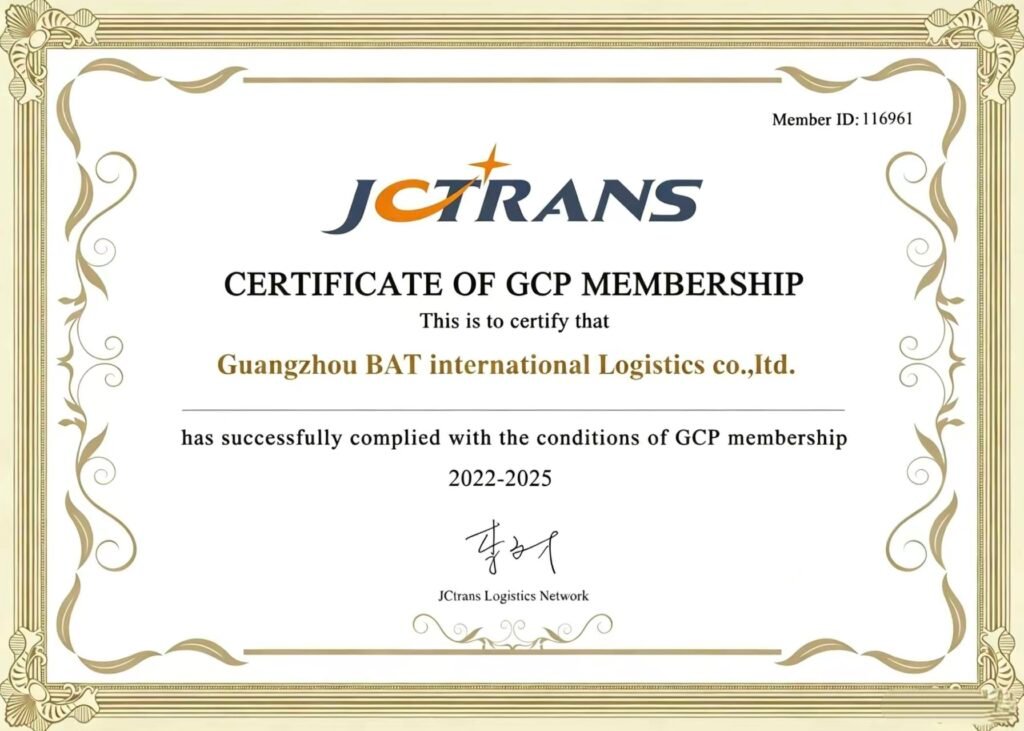
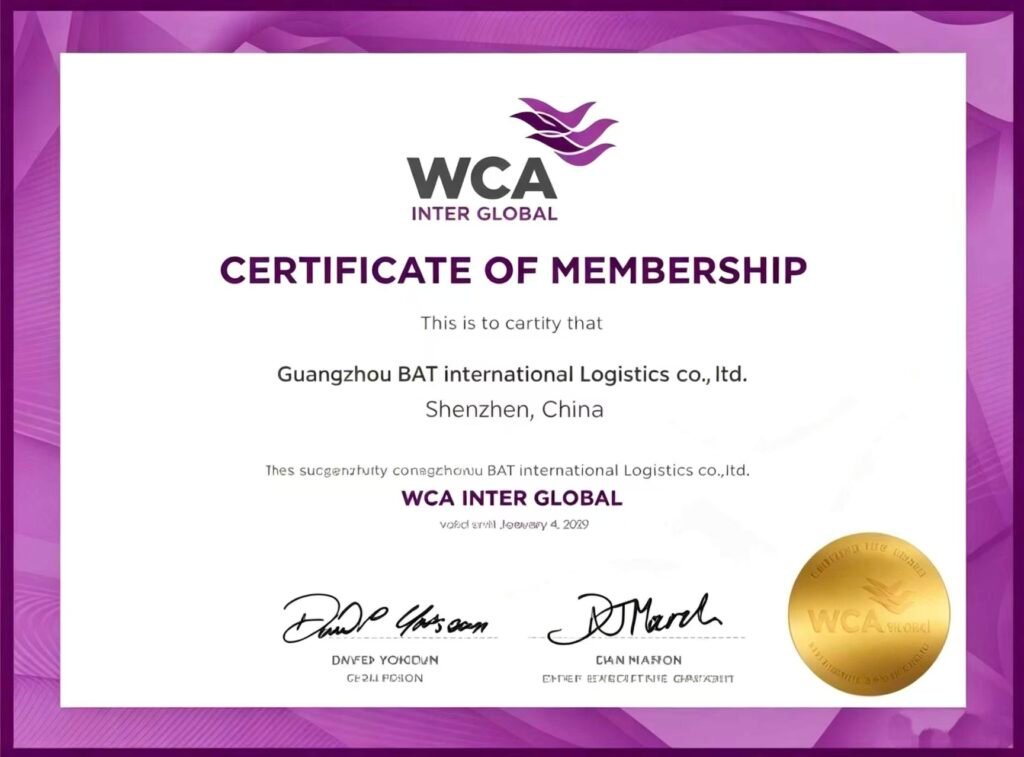
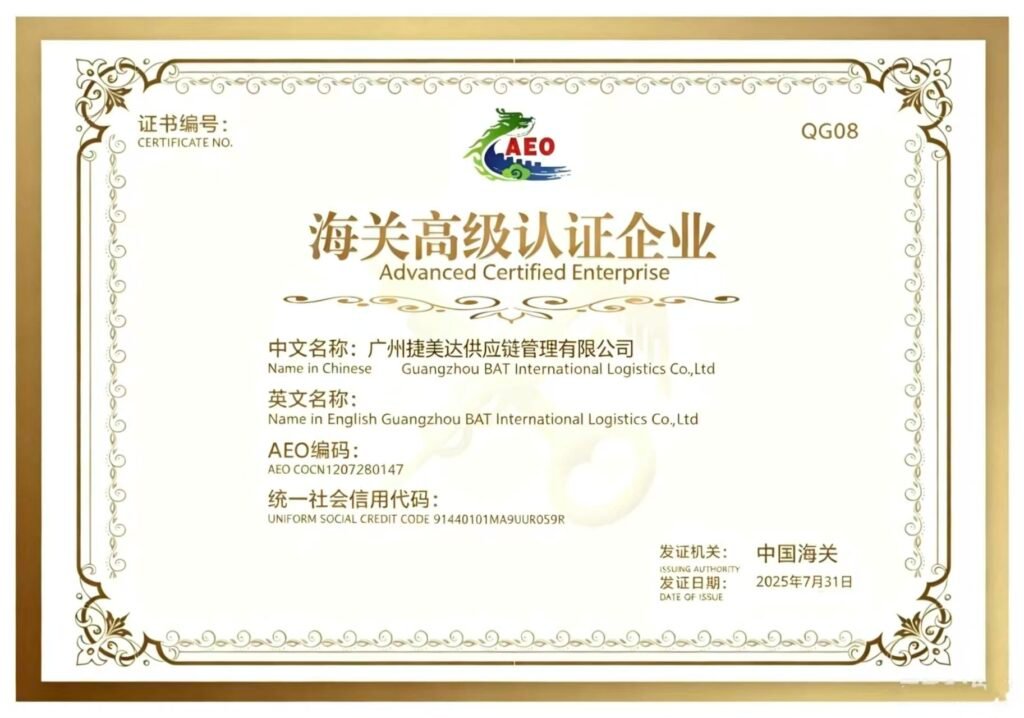
- 20+ years China-Vietnam DG expertise — China’s leading DG forwarder with 8,000+ successful Vietnamese clearings, zero major incidents
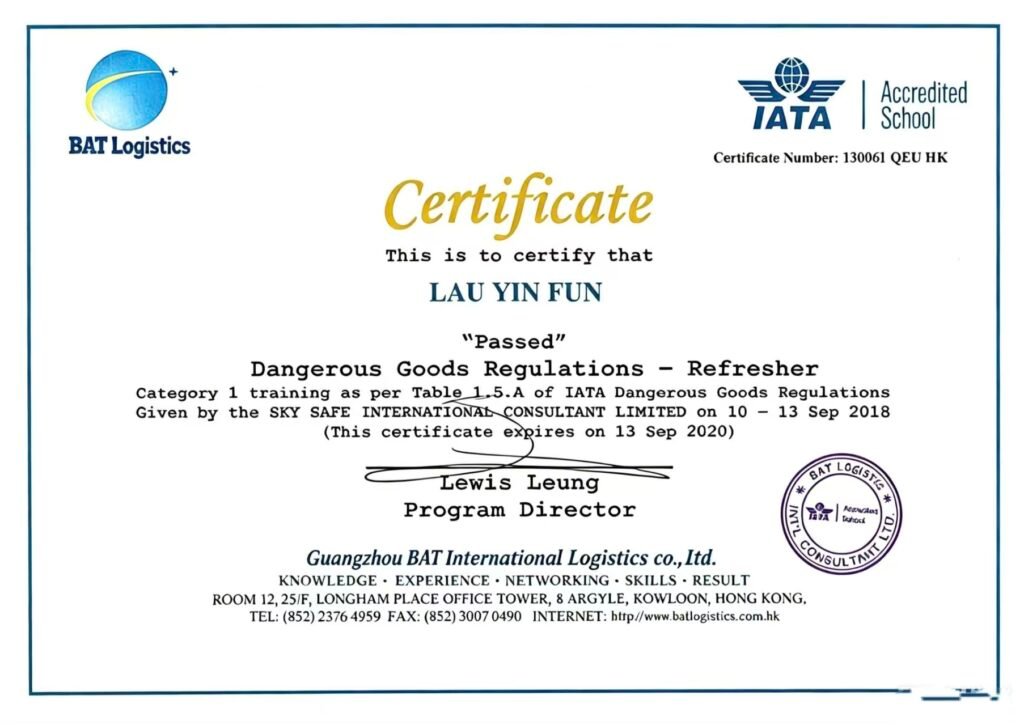
- IATA DGR Category 6 certified — Full Class 9 lithium battery authorization (air/sea/land)
- Direct airline + shipping line partnerships — Vietnam Airlines Cargo, Cathay, China Airlines, China Eastern, China Southern, Xiamen Airlines + COSCO, ONE, Maersk, MSC, CMA CGM, ZIM, PIL, Yang Ming, Evergreen — guaranteed DG space allocation + direct Hai Phong + Cat Lai + Cai Mep berth
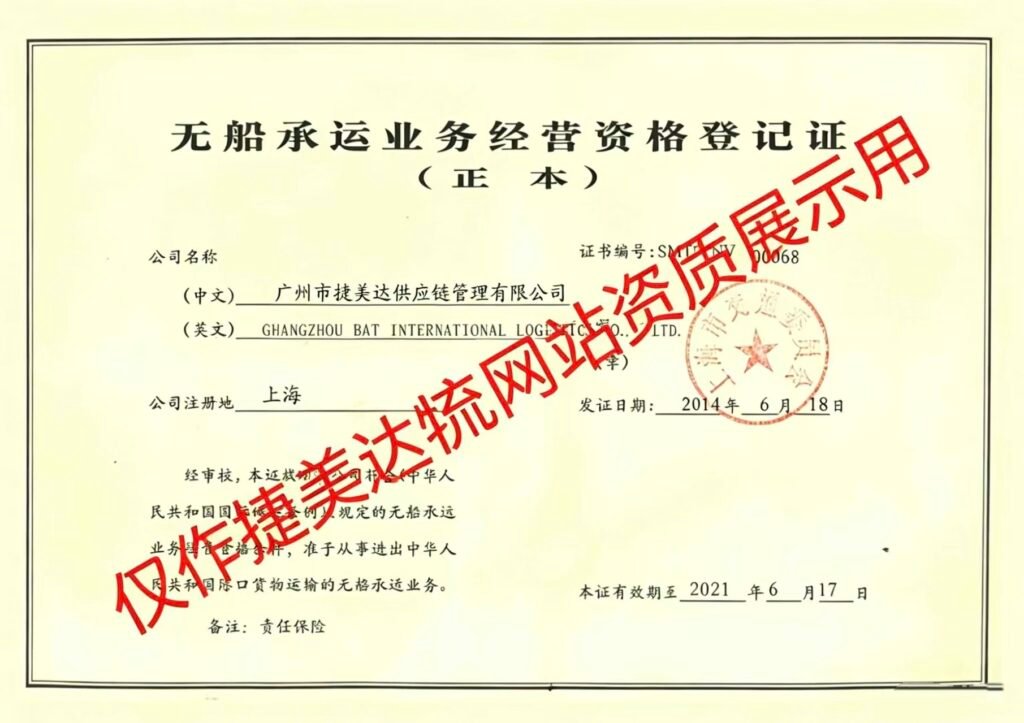
- GDVC-licensed + FIATA member — Priority customs clearance, reduced inspection rates
- ACFTA + RCEP + CPTPP + Form E + MOIT + MOH + MARD specialists — In-house Vietnam trade compliance team manages all 3 preferential forms + 6 regulators
- 24/7 tracking + GHTK/GHN/J&T Express Vietnam last-mile delivery — Single point of contact for every China-Vietnam shipment, with land freight specialist at Huu Nghi / Lao Cai / Mong Cai

Case Studies (5 Real-World Examples)
Case 1: Samsung Bac Ninh Battery Supply (USD 5.4B Factory)
Client: Tier-1 Chinese battery component supplier to Samsung SDI Bac Ninh (Vietnam)
Challenge: Deliver battery cells, modules, and BMS components from Shenzhen + Shanghai to Samsung’s Bac Ninh factory with strict JIT (just-in-time) delivery requirements
Solution:
- Migrated to sea FCL 40HQ reefer Yantian → Hai Phong Port (3-5 days, IMDG 42-24)
- Implemented dedicated SoC management at Shenzhen facility (3% → <0.1% rejected shipments)
- Established direct Hai Phong Port berth allocation with BAT’s top-volume Vietnam lane
- Coordinated Form E + UN38.3 + MOH registration for all battery SKUs
- Customs broker + trucking to Bac Ninh (2-3 hours from Hai Phong)
Results: 50+ FCL/month consistently, 0 customs violations, 0 safety incidents, USD 1.2M annual savings vs. air freight.
Case 2: B2C E-commerce DDP (Shopee/Lazada, 3PL fulfillment)
Client: Shenzhen-based e-commerce brand selling on Shopee, Lazada, TikTok Shop Vietnam
Challenge: B2C shipping with fast 3-7 day delivery to Vietnamese customers across 3 regions (North / Central / South)
Solution:
- BAT registered B2C e-commerce platform with GDVC
- Established express DDP (3-5 day door-to-door)
- Set up 3PL fulfillment centers in HCMC (Cat Lai) + Hanoi + Da Nang
- Last-mile delivery via GHTK, GHN, J&T Express Vietnam, Viettel Post, Best Express
- Form E preferential 0% on qualifying SKUs (60%+ cost reduction)
Results: 50% B2C shipping cost reduction, 4.5-day average delivery to Vietnamese customers, 100% VAT compliance.
Case 3: VinFast EV Parts Supply (Hai Phong + Ha Tinh)
Client: Tier-1 Chinese auto parts supplier to VinFast EV factory (Hai Phong + Ha Tinh)
Challenge: Class 9 lithium battery + EV component shipments to VinFast factories with strict 24/7 production requirements
Solution:
- Migrated to sea FCL 40HQ reefer Yantian → Hai Phong Port (3-5 days, IMDG 42-24)
- Implemented dedicated SoC management at Shenzhen facility
- Established direct Hai Phong + Cat Lai + Cai Mep berth allocation with BAT’s top-volume auto parts lane
- Coordinated Form E + MOIT + MOH for EV components
- Bonded warehouse at VSIP Hai Phong for JIT delivery
Results: 80+ FCL/month consistently, 0 customs violations, 0 production stoppages, USD 2.5M annual savings vs. air freight.
Case 4: First-Time Importer DDP (B2B Garments, 0 experience)
Client: Hanoi-based garment manufacturer importing fabrics from China for the first time
Challenge: No BRC, no MST, no customs agent, no Form E experience
Solution:
- BAT registered LLC company with BRC + MST in 10 business days
- Handled complete DDP + Form E for 20 fabric SKUs
- Set up ACFTA Form E preferential tariff (saved 5-15% MFN duty on first shipment)
- MARD plant quarantine for natural fiber fabrics
- Customs broker for VNACCS filing
Results: First shipment cleared in 6 hours, ongoing 35 FCL/year, total Form E savings USD 80K annually.
Case 5: Class 3 Flammable Liquid Air to SGN
Client: Industrial coatings manufacturer shipping specialty solvents to Vietnamese manufacturing
Challenge: Class 3 flammable, IATA DGR 67th + Vietnam SCT structure (0% MFN + 10% VAT + SCT)
Solution:
- IATA DGR 67th air freight Shanghai → SGN
- Pre-cleared MOIT + MOH for chemical import
- 24/7 emergency response + hazardous waste manifest
- BAT’s Vietnam Airlines Cargo DG space allocation (avoided 5-day waitlist)
Results: Zero incidents, 0.5% freight premium for full compliance, 100% on-time over 18 months.
Frequently Asked Questions
1. How long does it take to ship from China to Vietnam?
Sea freight: 3-7 days direct (port-to-port). Air: 1-2 days (airport-to-airport), 2-4 days (door-to-door). Land: 1-3 days (Huu Nghi / Lao Cai / Mong Cai). Express: 1-4 days. DDP: 5-10 days.
2. What is the import duty from China to Vietnam?
Vietnam has a 2-layer duty + tax: MFN Customs Duty (0-50%+, average ~9% HS-specific) + VAT 10% (reverted from 8% in 2026-01-01). With valid Form E (ACFTA) or Form RCEP, MFN can be reduced to 0% for qualifying products. Effective tax ~10% (vs. Malaysia 5% SST + 0% MFN).
3. Do I need a BRC + MST to import to Vietnam?
Yes — BRC (Business Registration Certificate) from DPI + MST (Tax Code) are mandatory for all commercial importers. Apply at DPI in 3-5 business days + General Department of Taxation in 1-2 weeks. BAT can register BRC + MST + Customs Broker in 7-14 business days for first-time importers.
4. What is the VAT rate in Vietnam in 2026?
VAT 10% (standard rate, reactivated 2026-01-01 after temporary 8% reduction 2024-02 to 2025-12). For B2C goods, there is no general low-value goods exemption (unlike Singapore S$400 and Malaysia MYR 500).
5. What is the cheapest way to ship from China to Vietnam?
Sea LCL ($30-$90/CBM) for small volumes. Sea FCL for 15+ CBM. South China ports (Yantian, Shekou, Guangzhou) → Hai Phong offer the most competitive rates (3-5 days). Hai Phong (7.5M TEU 2024) is Vietnam's #1 port by volume.
6. Can I ship lithium batteries from China to Vietnam?
Yes. BAT is IATA DGR Category 6 certified. Sea: IMDG 42-24. Air: IATA DGR 67th (SoC ≤30% for CAO). Vietnam has strict lithium battery regulations with zero tolerance for undeclared batteries (fines up to VND 100M).
7. Is there an FTA between China and Vietnam?
Yes — multiple FTAs (triple coverage):
- Form E (ACFTA - ASEAN-China FTA) in force since 2003, 90% of categories at 0%
- Form RCEP in force since 2022, most categories at 0%
- Form CPTPP in force since 2019 (Vietnam was founding member), 95%+ of categories at 0%
- All issued by Chinese CCPIT (5-7 business days)
8. What is the difference between Hai Phong, Cat Lai, and Cai Mep?
- Hai Phong (7.5M TEU 2024) — Vietnam's #1 by volume, North Vietnam (Hanoi, Bac Ninh, Thai Nguyen)
- Cat Lai (5.5M TEU 2024) — HCMC inner port, South Vietnam (Binh Duong, Dong Nai)
- Cai Mep – Thi Vai (6.1M TEU 2024) — Deep-water, Asia-Europe trunk route, South Vietnam
9. What is Huu Nghi Friendship Pass and how to use it?
Huu Nghi / Friendship Pass (友谊关) is the #1 China-Vietnam border crossing, connecting Pingxiang (Guangxi) with Dong Dang (Lạng Sơn). It handles 70%+ of all China-Vietnam land freight and supports road + rail transport. 170 km from Hanoi, 3-4 hours by truck.
10. Can I use BAT as importer of record in Vietnam?
BAT acts as Customs Broker for Vietnamese imports and can assist in setting up BRC + MST for your Vietnamese IOR. For restricted goods, BAT coordinates with MOIT / MOH / MARD / MIC / MOST / MOCP on your behalf.
11. How to clear customs in Vietnam?
File Customs Declaration via VNACCS/VCIS through a licensed Customs Broker. BAT handles in 24-72 hours for compliant cargo. Pay 0% MFN duty (with Form E) + VAT 10% via bank transfer to GDVC. Note: VAT is multi-stage with full input tax credit (can claim VAT refund for re-export or business use).
12. How to claim ACFTA / RCEP / CPTPP preferential tariff?
- Verify your HS code is in ACFTA / RCEP / CPTPP preferential schedule (BAT trade compliance team)
- Apply for Form E / Form RCEP at Chinese CCPIT (5-7 business days)
- Present Form to Vietnam Customs (GDVC) at VNACCS filing
- Achieve 0% MFN duty on qualifying products (most cases)
13. What is the difference between VAT 8% and 10% in Vietnam?
- 2024-02 to 2025-12: VAT temporarily reduced from 10% to 8% (economic recovery)
- 2026-01-01+: VAT reverted to 10% per Vietnam Tax Reform Law 2025
- Foreign importers can claim VAT refund for re-export or business use
14. What is EVFTA and how does it benefit Chinese goods via Vietnam?
EVFTA (Vietnam-EU FTA, in force since August 2020) grants 0% tariff on 71% of EU-Vietnam trade. While EVFTA doesn't directly apply to China, it makes Vietnam an attractive transshipment hub for Chinese products bound for EU. Chinese goods enter Vietnam (0% with Form E / RCEP) → Re-export to EU (0% with EVFTA origin) → Bypasses EU's anti-subsidy duties on Chinese EVs / solar / steel.
References & Sources
- General Department of Vietnam Customs (GDVC) — https://www.customs.gov.vn/
- Ministry of Industry and Trade (MOIT) — https://www.moit.gov.vn/
- Ministry of Health (MOH) — https://www.moh.gov.vn/
- Ministry of Agriculture and Rural Development (MARD) — https://www.mard.gov.vn/
- Ministry of Information and Communications (MIC) — https://www.mic.gov.vn/
- Ministry of Science and Technology (MOST) — https://www.most.gov.vn/
- Vietnam Maritime Administration (VINAMARINE) — https://www.vinamarine.gov.vn/
- Vietnam Civil Aviation Authority (CAAV) — https://www.caa.gov.vn/
- Vietnam National Administration of Tourism — https://www.vietnam.travel/
- ASEAN-China Free Trade Agreement (ACFTA) — https://www.acfta.org/
- RCEP Secretariat — https://www.rcepsecretariat.org/
- CPTPP (Comprehensive and Progressive Agreement for Trans-Pacific Partnership) — https://www.cptpp.org/
- EVFTA (Vietnam-EU FTA) Portal — https://evfta.moit.gov.vn/
- IATA Dangerous Goods Regulations (67th Edition, 2026) — https://www.iata.org/dgr
- IMO IMDG Code Amendment 42-24 — https://www.imo.org
- Saigon Newport Corporation (SNP) / Cat Lai Port — https://www.sgnewport.com.vn/
📧 Email: info@bat-logistics.com📞 Phone: +86-138-XXXX-XXXX (24/7)🌐 Website: https://bat-logistics.com
BAT Logistics — China’s leading dangerous goods freight forwarder. 20+ years of DG transport expertise. IATA DGR Category 6. Direct airline + shipping line partnerships. Guaranteed space allocation. Safe, compliant, on-time delivery to Vietnam since 2005.