
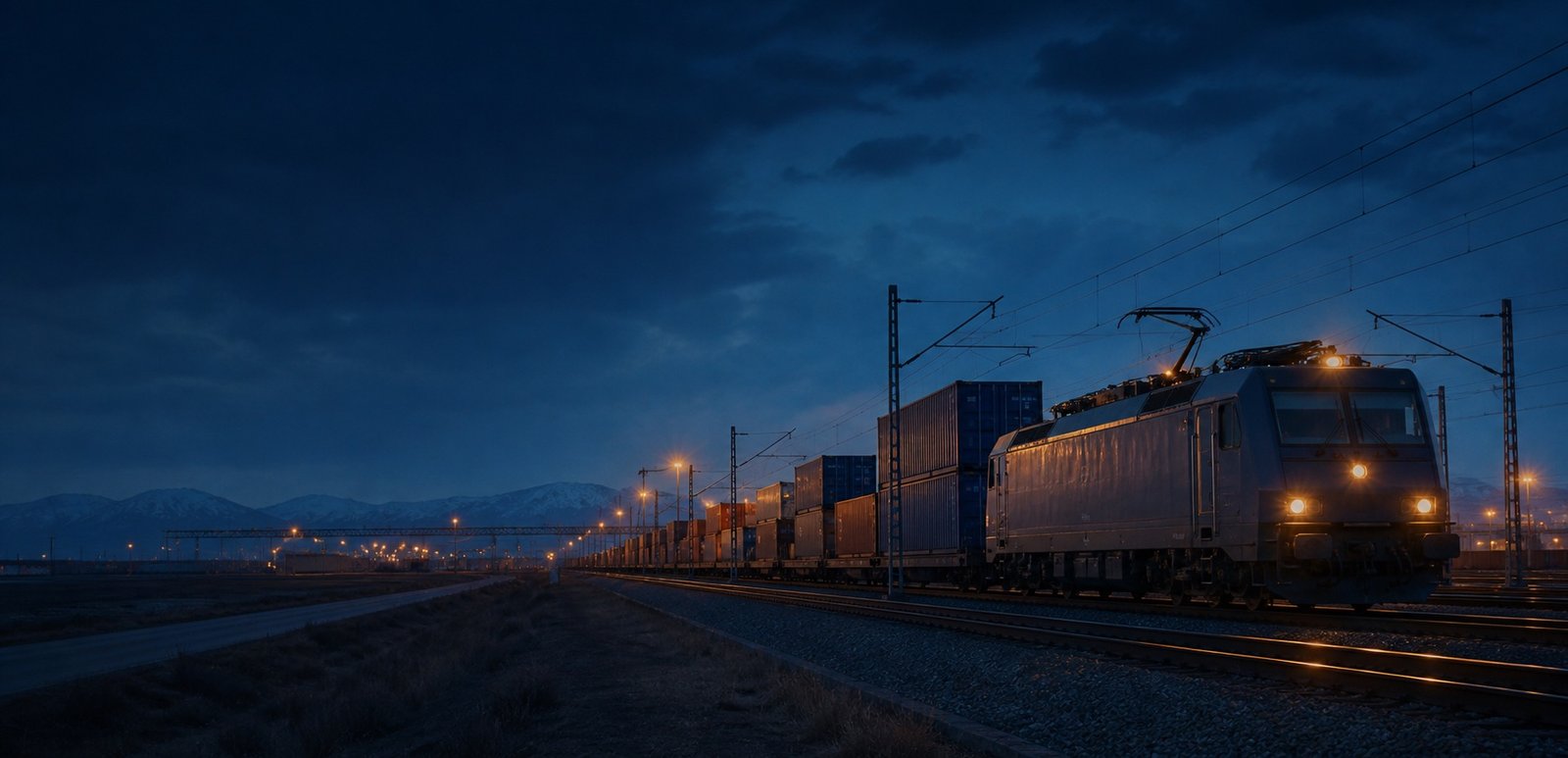
China origin / Eurasian rail coordination
China–Europe Rail Freight
FCL and LCL rail planning from China to European inland destinations, including selected dangerous goods subject to document, route, rail-platform and carrier acceptance.
We review the information you supply and coordinate suppliers, warehouses, customs-service parties, rail platforms, carriers and destination handoffs. Final acceptance and timing depend on the actual cargo, packing, documents, route, capacity and border conditions.
- FCL or LCLPlan by shipment volume and handling needs
- China originsSupplier pickup and export coordination
- Europe inlandRail terminal plus eligible destination handoff
Where rail can fit
A middle path for inland commercial freight.
Rail can sit between air and sea when a shipment needs a more scheduled inland plan than ocean freight but does not justify air-freight cost. The right choice still depends on cargo profile, route, ready date and delivery requirement.
Time-sensitive replenishment
For commercial cargo that needs an inland plan assessed against available departures and border conditions.
FCL and LCL options
Full-container and consolidated planning can be considered according to volume, packing and handling needs.
European terminal handoff
Rail terminal arrival can connect with truck short-haul or other eligible destination arrangements. For a road-led plan from origin, compare road freight from China.
Coordinated scope
Build the plan around every handoff.
The quotation can cover selected origin, rail and destination services. Final scope is confirmed for the actual Incoterm, importer and cargo.
China pickup
Coordinate collection from the factory or agreed origin warehouse.
FCL or LCL preparation
Plan consolidation or container loading against packing, cargo and service conditions.
Export coordination
Coordinate commercial documents and the export declaration with relevant parties.
Rail booking and handoffs
Confirm available route, platform, terminal and operating-party conditions.
Destination coordination
Assess terminal handling, truck short-haul and eligible door-delivery or DDP scope.
Mode decision
Compare the complete plan, not a headline promise.
Actual rates, capacity, transit and acceptance are shipment-specific and can change with route and operating conditions.
Dangerous-goods review
Supply the cargo facts before route selection.
Selected dangerous goods may be considered only after the product, battery, packing and transport information supplied for the intended route is reviewed. For battery-focused mode selection, start with the battery shipping from China overview.
Clear service boundary: BAT Logistics reviews customer/factory-supplied information and coordinates relevant parties. We do not issue or obtain UN38.3, MSDS/SDS or test reports, and we do not guarantee rail-platform, carrier, customs or regulatory acceptance.
- Cargo identificationProduct, use, composition, battery configuration and HS code if known.
- Customer-supplied documentsProduct specification, UN38.3 information, MSDS/SDS and relevant test reports when available.
- Packing informationPacking type, photos, pieces, gross weight and external dimensions.
- Route informationPickup point, destination, Incoterm, importer and cargo-ready date.
How planning works
Five handoffs from enquiry to a workable rail plan.
Share shipment facts
Origin, destination, product, pieces, packing, weight, dimensions and ready date.
Check supplied information
Identify cargo, document and packing points for the intended service.
Check corridor acceptance
Assess route, platform, terminal, capacity and destination conditions.
Confirm scope
Agree the quotation, origin work, rail booking and destination handoffs.
Track milestones
Coordinate the agreed operating parties and shipment updates.
Illustrative handoff sequence
China terminal to European inland delivery.
A workable corridor is selected for the actual booking. The completed case below followed this sequence; it is not a promise that every shipment will use the same route.
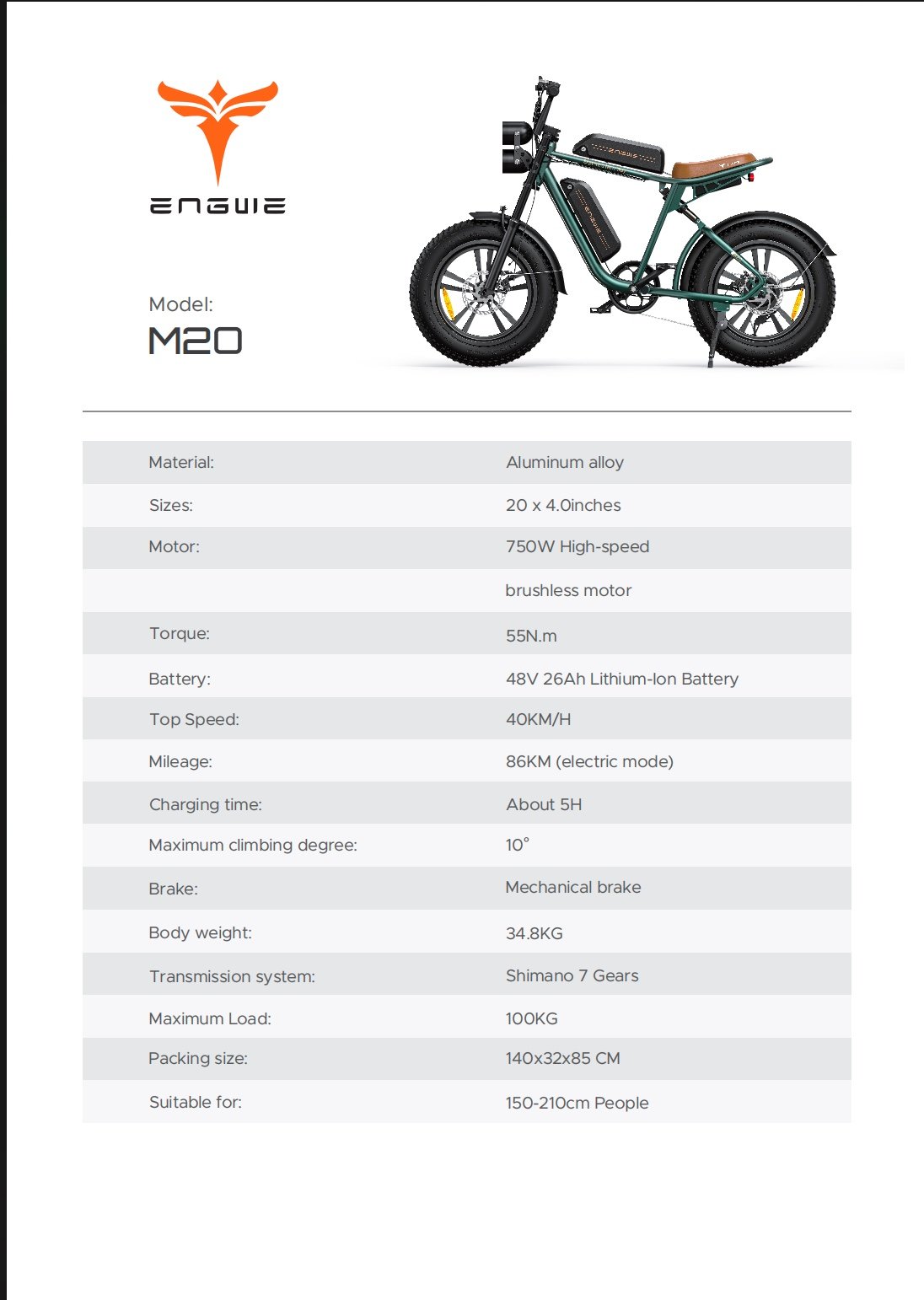
Shanghai → Khorgos → Budapest → Bucharest
10 e-bikes. One LCL rail plan.
An anonymous customer needed 10 electric bicycles collected in Shanghai and delivered to Bucharest. The shipment was handled as dangerous goods and moved as rail LCL.
Documents supplied by the factory
UN38.3 information, MSDS, a test report and a railway test report.
What BAT Logistics coordinated
Packaging review, booking, export customs declaration and container loading, followed by the agreed rail and truck handoffs.
Outcome
The shipment was arranged to the customer’s requested schedule and reached the destination in approximately 25 days. The customer completed import customs clearance and pickup.
This describes one completed shipment. It is not a guaranteed transit time or acceptance result for future cargo.
Quote-ready checklist
Start with complete package details.
Mention available documents in the request. Our team can then advise how to share them for review.
- 01Origin and destinationSupplier city, European terminal/city and delivery postcode.
- 02Product and cargo typeProduct description, battery configuration and dangerous-goods information if applicable.
- 03Pieces and packingNumber of packages, packing method and whether FCL/LCL is preferred.
- 04Weight and dimensionsPacked gross weight and external size of every package.
- 05Available documentsSpecifications, UN38.3/MSDS/SDS and relevant test reports if applicable.
- 06Timing and IncotermCargo-ready date, required delivery timing and agreed trade term.
Frequently asked questions
Practical answers before you request a quote.
What is China–Europe rail freight?
It is commercial freight movement by scheduled rail services between China terminals and European rail hubs, often combined with truck transport at origin or destination. The available corridor and scope depend on the actual booking.
Can I ship FCL and LCL by rail?
Both can be considered. FCL uses a full container for one shipment, while LCL consolidates cargo with other shipments. Cargo type, volume, packing, route and handling requirements determine the practical option.
Can dangerous-goods electric bicycles move by rail?
Some shipments may be considered, but acceptance is not universal. Product and battery details, packing, supplied documents, route, rail platform, carrier and border requirements must be checked.
Does BAT issue UN38.3 or MSDS/SDS?
No. We review customer/factory-supplied information and coordinate relevant operating parties. We do not issue or obtain these documents or guarantee acceptance.
How long does rail freight take?
Timing depends on origin, destination, departure schedule, border handoffs, capacity, consolidation and destination delivery. The approximately 25-day e-bike case is one completed result, not a standard promise.
What should I send for a rail quote?
Send origin, destination, product, pieces, packing, gross weight, dimensions, ready date, Incoterm and available dangerous-goods documents where applicable.
Start with the shipment
Request a shipment-specific rail freight plan.
Send the origin, destination, product, pieces, packing, gross weight, dimensions, available documents and cargo-ready date. We will review the shipment facts before discussing route, scope and quotation.