

China origin / global ocean coordination
Sea & Ocean Freight from China
FCL and LCL planning for commercial cargo, lithium batteries and battery-powered products, with port-to-port or eligible door-to-door coordination built around the actual shipment.
We review customer/factory-supplied information and coordinate suppliers, warehouses, customs-service parties, carriers and destination partners. Space, routing, dangerous-goods acceptance, customs and timing remain shipment-specific.
- FCL or LCLChoose around volume, handling and acceptance.
- Port or doorConfirm every handoff included in the quotation.
- Commercial or batteryRegulated cargo is reviewed before booking.
Where ocean freight fits
Plan around the cargo, not a headline rate.
Ocean freight can suit larger or less time-critical shipments when the complete port, container and destination plan is considered.
Standard commercial freight
General cargo that can move in a dry container or an accepted consolidated service. For eligible inventory bound for fulfillment networks, review Amazon FBA shipping from China.
Container-scale shipments
FCL planning where one shipper needs control of a full container and loading sequence.
Reviewed battery cargo
Selected lithium batteries and battery-powered products subject to complete information and route/carrier acceptance. Start with the battery shipping from China overview, then review the lithium battery shipping by sea guide for ocean-specific planning.
Coordinated scope
Connect every port and container handoff.
The quotation can include selected origin, ocean and destination work. Exact scope is confirmed for the cargo, Incoterm, importer and route.
China pickup
Coordinate collection from the supplier or agreed origin warehouse.
Consolidation or loading
Match packing and volume to an assessed LCL or FCL loading plan.
Export coordination
Connect cargo availability and supplied commercial information with the appointed declaration party.
Booking and equipment
Confirm carrier, sailing, equipment, space and dangerous-goods conditions where applicable.
Port and vessel
Coordinate gate-in, terminal milestones, vessel loading and agreed tracking updates.
Destination scope
Assess port handling, import-party responsibilities and eligible final delivery when included.
FCL versus LCL
Choose by handling, volume and acceptance.
No universal volume threshold or acceptance promise applies to every cargo and route.
Incoterms and responsibility
Use the term, then define the handoffs.
The quotation—not a generic Incoterm label—states who books, declares, insures, clears, pays duties/taxes and receives delivery.
Battery-cargo review
Supply the facts before carrier review.
Lithium batteries and battery-powered products require complete customer/factory-supplied information before route and carrier review.
Clear service boundary: BAT Logistics checks supplied information and coordinates relevant operating parties. We do not issue or obtain UN38.3, MSDS/SDS, transport reports, dangerous-goods packaging certificates, performance sheets, permits or licenses, and we do not guarantee carrier or authority acceptance.
- Cargo identificationProduct, chemistry, intended use, battery configuration and UN number if known.
- Customer/factory-supplied documentsProduct specification, UN38.3, MSDS/SDS and mode-specific appraisal/report when applicable.
- Packing informationPackaging certificate/performance information when applicable, photos, pieces, weights and dimensions.
- Container and route planPallet/container arrangement, origin, destination, Incoterm, importer and cargo-ready date.
How planning works
Six checks from enquiry to arrival handoff.
Share shipment facts
Cargo, route, packing, Incoterm and ready date.
Check supplied information
Product, commercial and packing details are reviewed for consistency.
Assess FCL or LCL
Compare container, consolidation and port/door scope.
Confirm operating conditions
Route, carrier, equipment, space and dangerous-goods conditions.
Agree the handoffs
Confirm quotation, responsibilities and shipment milestones.
Coordinate movement
Loading, export, port, vessel and destination updates.
Global coverage
Major markets, checked shipment by shipment.
Coverage depends on the cargo, port pair, importer, carrier and destination operating parties.
Evergreen quote factors
What changes an ocean quotation.
No fixed public rate or market forecast replaces a shipment-specific quotation.
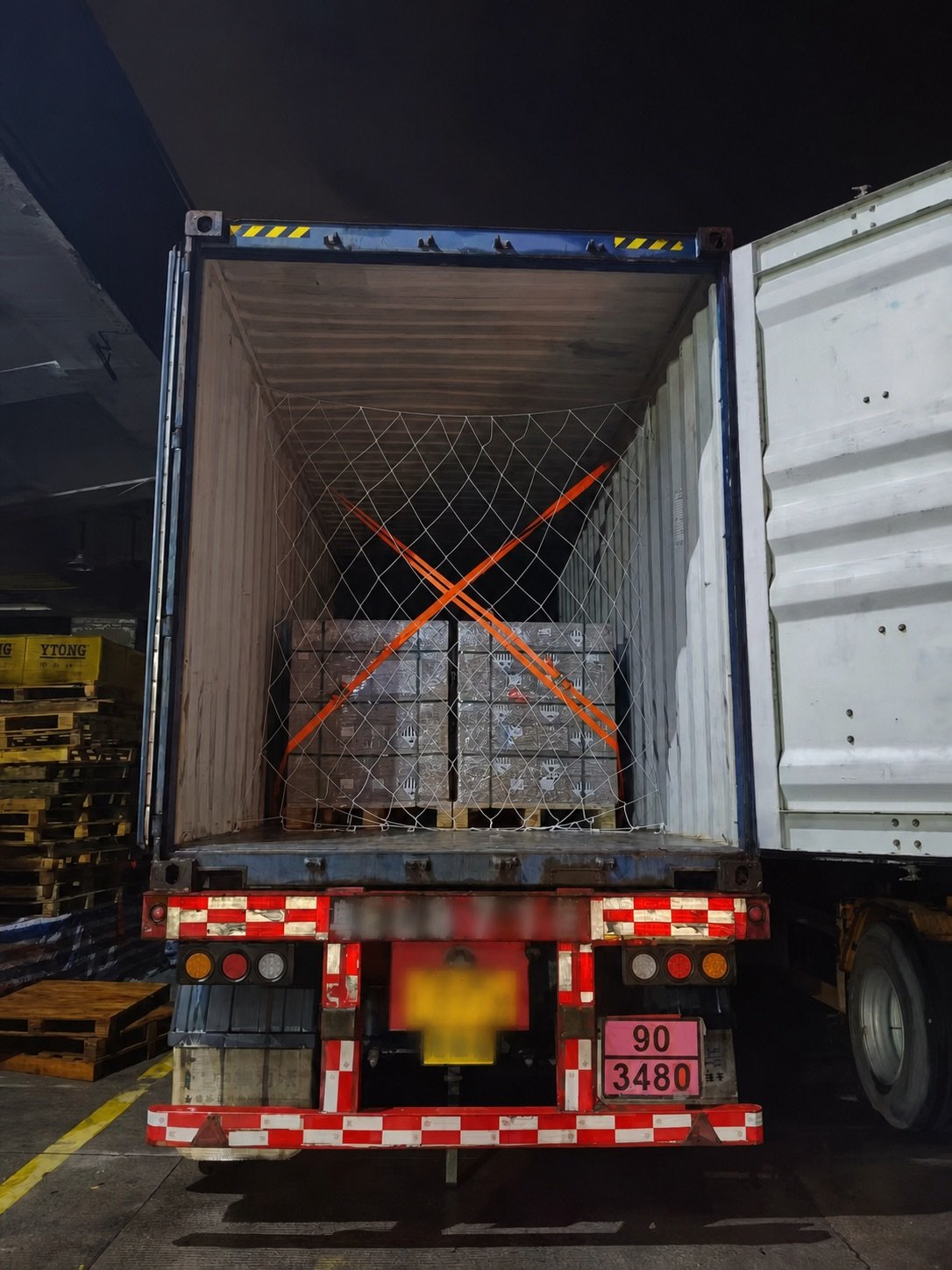
Shekou → Chennai / FOB
179,200 UN3480 cells. Two 40HQ containers.
An anonymous customer shipped 32140FS lithium-ion cells for two-wheel electric-vehicle use from Shekou, Shenzhen to Chennai. The FOB shipment used 40 pallets across two 40HQ containers.
Documents supplied
UN38.3, MSDS/SDS, a sea-transport appraisal/report, dangerous-goods packaging certificate or performance information, and commercial/export information.
What BAT coordinated
Information pre-review, packing and pallet check, dangerous-goods space application, booking, container pickup and loading, export declaration, Shekou gate-in, vessel loading and voyage tracking.
Challenge and outcome
Dangerous-goods space to India was difficult to secure; the application took more than 15 days. After departure, the shipment reached Chennai in approximately 14 days and the agreed FOB port handoff was completed.
This is one completed shipment, not a guaranteed future space-approval or transit result.
Quote-ready checklist
Start with facts that a carrier can review.
Complete information helps separate a workable plan from a headline estimate.
- 01Origin and destinationSupplier city, ports, destination city/postcode and required delivery point.
- 02Product and intended useCargo description, chemistry/configuration and HS/UN number if known.
- 03PackingPieces, cartons, pallets, container plan and packing photographs.
- 04Weight and dimensionsPacked gross weight, volume and external dimensions.
- 05Incoterm and scopeEXW, FOB, CIF, DAP or DDP plus the required handoffs.
- 06Available informationCommercial and dangerous-goods documents supplied by the customer/factory.
- 07TimingCargo-ready date and required delivery timing.
Frequently asked questions
Practical answers before you request a quote.
Do you offer both FCL and LCL sea freight from China?
Yes. Both can be assessed. Product, packing, volume, route, timing and carrier/consolidator acceptance determine the practical option.
Can you coordinate port-to-port and door-to-door shipping?
Yes, where the route and operating parties are eligible. The quotation identifies the exact origin, ocean, customs and destination handoffs included.
Can lithium batteries move by ocean freight?
Some lithium-battery shipments can be assessed when customer/factory-supplied information and packing are complete. Carrier, port, route and destination acceptance remain shipment-specific.
Does BAT issue UN38.3 or MSDS/SDS?
No. BAT reviews information supplied by the customer or factory and coordinates relevant parties. We do not issue or obtain those documents or other certificates and permits.
Which Incoterms can you support?
EXW, FOB, CIF, DAP and DDP arrangements can be assessed. DDP is not automatically available in every market; importer and local-partner feasibility must be confirmed.
How long does sea freight from China take?
Timing depends on origin, destination, carrier, sailing, transshipment, capacity, dangerous-goods review, port conditions and destination handling. A completed case is not a universal transit promise.
What determines the sea-freight price?
Route, equipment, FCL/LCL choice, chargeable volume/weight, product acceptance, origin work, terminal charges, destination scope, customs/taxes and current capacity all matter. Send the complete shipment facts for a current quotation.
Start with the shipment
Request a shipment-specific ocean plan.
Send the origin, destination, product, pieces, packing, gross weight, dimensions, Incoterm, available documents and cargo-ready date. We will review the shipment before discussing route, scope and quotation.