
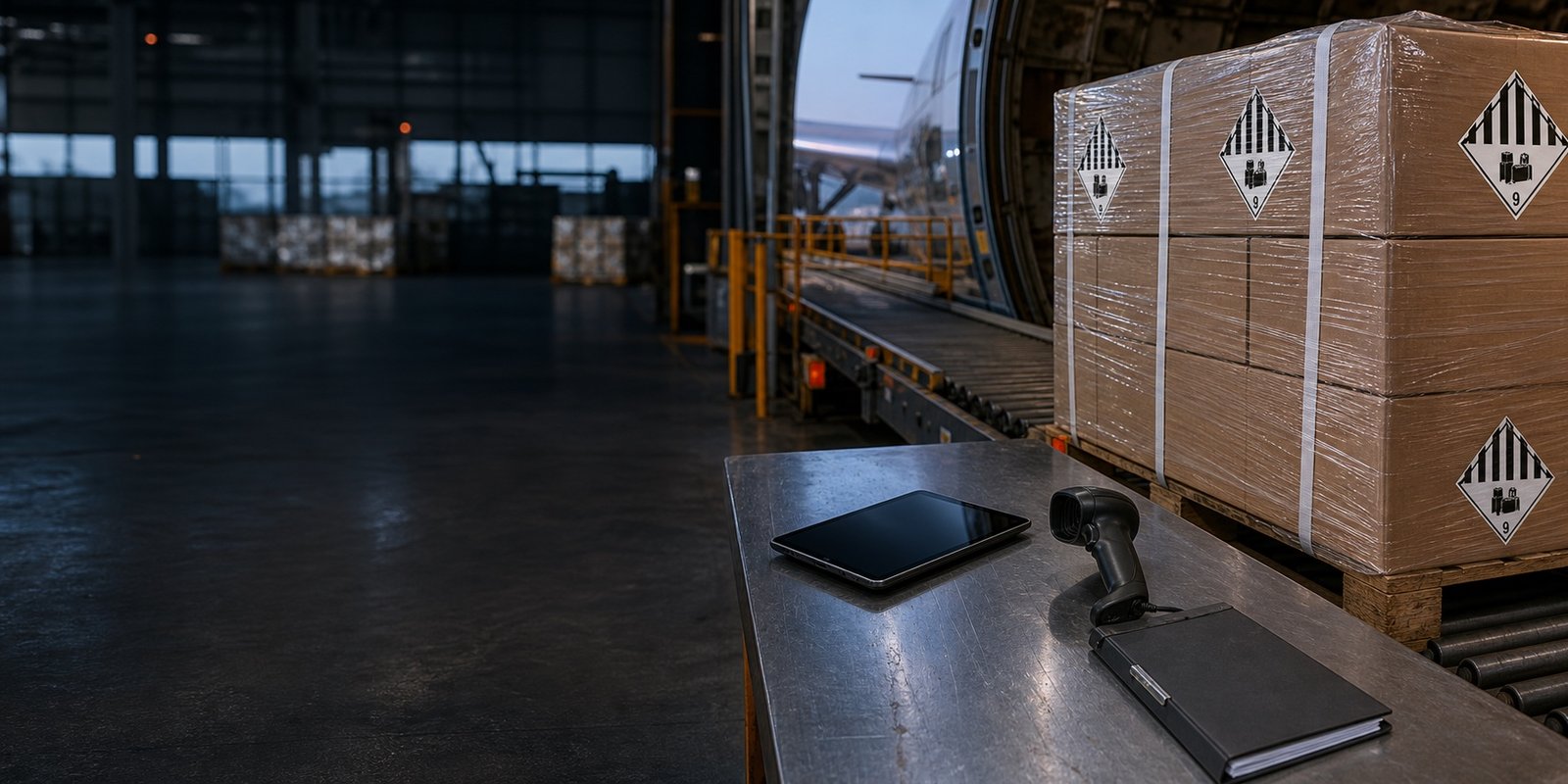
China origin / customs handoff coordination
Customs Clearance Built around verified shipment facts.
Coordinate China export declarations, destination import-clearance handoffs and final delivery around one reviewed shipment plan.
BAT reviews customer/factory-supplied information and coordinates licensed or appointed service parties. Duties, inspections and release remain shipment- and authority-specific.
- ExportChina declaration and origin handoffs.
- ImportImporter, customs agent, tax and release coordination.
- Battery cargoCustomer-supplied documents and packing reviewed first.
Commercial customs coordination
One declaration depends on many consistent facts.
Product description, HS classification, value, quantity, packing, transport documents, importer setup and destination rules must tell the same story before cargo reaches customs.
Prepare the export handoff
Review supplied commercial and packing information, then coordinate declaration and release milestones with the appointed export service party.
Confirm who clears and pays
Identify the importer, customs agent, valuation basis, expected tax responsibility and required permits before the transport plan is confirmed.
Review battery information first
Lithium batteries and battery-powered products require complete customer/factory-supplied information and relevant-party acceptance.
What BAT coordinates
Clear responsibilities at each customs handoff.
Information pre-review
Check consistency across product description, packing, quantities, weights, values, available HS code and transport documents.
China export declaration
Coordinate the appointed declaration party, transport documents, cargo availability and customs-release handoff.
Destination import setup
Connect the customer’s importer or an assessed local operating partner with the customs agent and destination-delivery plan.
Exception communication
Relay requests for clarification, correction, inspection support or additional customer documents without promising the authority’s decision.
Release and delivery
After release is confirmed by the relevant customs party, coordinate the agreed warehouse or final-address delivery.
Export versus import
Related processes. Different responsibilities.
Classification, valuation, tax, inspection and release decisions belong to the relevant authorities and appointed customs parties. A quotation cannot override those decisions.
Documents before declaration
Customer-supplied data. Checked for consistency.
Lithium batteries, battery-powered products and ordinary commercial cargo can be assessed. The exact document set varies by product, mode and destination.
Clear service boundary: BAT does not universally act as the customs broker, importer of record or tax representative. We do not issue or obtain UN38.3, MSDS/SDS, transport test reports, dangerous-goods packaging certificates, performance sheets, licenses or permits.
- Commercial invoiceSeller, buyer, description, quantity, value, currency and transaction terms.
- Packing listPieces, packing type, net/gross weight and dimensions matching the physical cargo.
- Transport informationBooking details and the applicable bill of lading, air waybill, rail or road document.
- Product and origin informationSpecifications, intended use, origin, HS code if known and destination-specific supporting data.
- Battery documents when applicableCustomer/factory-supplied UN38.3, MSDS/SDS, mode-specific transport report and packaging information.
- Importer and permit informationImporter identity, tax registration and any required product license or authorization.
How planning works
Five checks from enquiry to release coordination.
Share cargo and route details
Product, use, origin, destination, pieces, packing, weights, dimensions, value and ready date.
Check supplied information
Identify inconsistencies or missing commercial, product, transport and importer information.
Confirm importer and agents
Define who declares, who acts as importer, who pays taxes and who supplies any permit.
Coordinate submission
Connect cargo availability, transport documents and the appointed customs service parties.
Track the handoff
Relay authority requests and coordinate destination delivery after confirmed release.
Regions and operating models
Coverage is confirmed shipment by shipment.
Air, sea, rail, road or express customs handoffs may be coordinated where the cargo, route, importer and local operating parties are eligible.
Two importer models may be considered: the customer’s own importing entity, or an eligible local partner where expressly reviewed and confirmed. Neither model is available automatically in every country. Where a duty-paid structure is being assessed, review the DDP shipping scope.
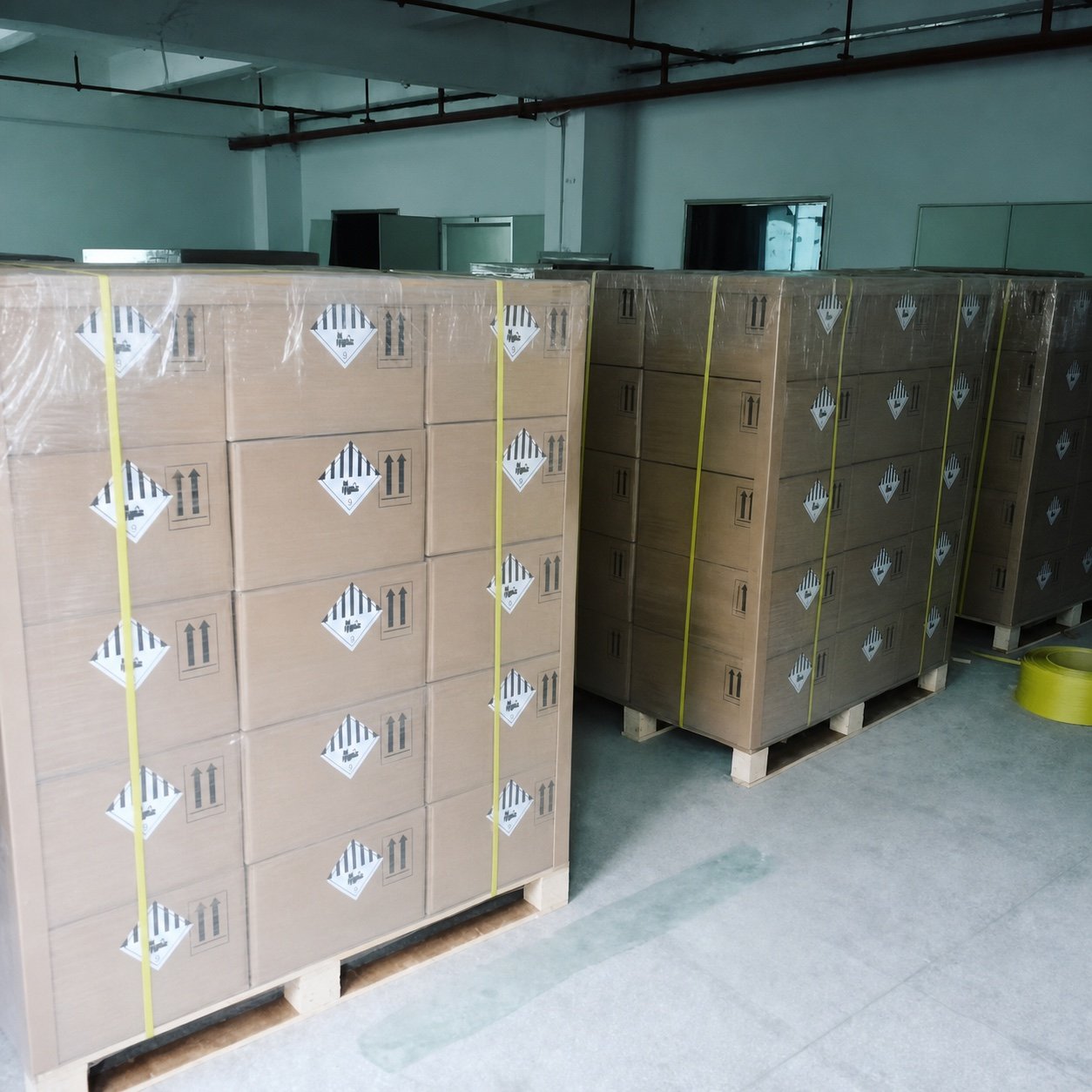
Zhengzhou → Netherlands → Rotterdam
13,000 UN3480 cells. Consistent data across four pallets.
An anonymous shipment of lithium-ion cells for energy-storage use moved by air from Zhengzhou Airport to a major Netherlands airport, then by road to Rotterdam. The customer’s own Dutch importing entity handled import clearance and taxes.
Why consistency mattered
A large UN3480 shipment required the cargo description, quantities, weights, packing and supplied battery information to remain consistent. Avoidable discrepancies can increase the likelihood of questions or inspection.
What BAT coordinated
Information pre-review, packing check, booking, Zhengzhou Airport warehouse handoff, export declaration, flight tracking, document handoff to the customer’s importer and Dutch customs agent, and delivery after release.
Outcome
The shipment was delivered and signed for in approximately nine days. No inspection or supplementary-document request occurred on this shipment.
This describes one completed shipment. It is not a guaranteed transit time, customs result, inspection outcome, carrier acceptance or future quotation.
Quote-ready information
Start with facts that customs can reconcile.
Send complete information early so the route, importer and customs handoff can be assessed before cargo moves.
- 01CargoProduct, use, chemistry/battery configuration and HS code if known.
- 02RouteOrigin, destination country/city/postcode and proposed mode.
- 03PackingPieces, packing type, gross weight, dimensions and photos.
- 04CommercialValue, currency, seller/buyer and Incoterm.
- 05ImporterCustomer importer or request for an assessed local-partner arrangement.
- 06DocumentsCommercial, product, battery, transport and permit information already available.
Frequently asked questions
Practical answers before you request a review.
Does BAT act as the customs broker in every country?
No. BAT reviews supplied information and coordinates licensed or appointed declaration parties. The exact customs broker, importer and tax-responsible party must be confirmed for each shipment.
Can BAT coordinate both export and import clearance?
Yes, both handoffs can be coordinated when the cargo, documents, importer arrangement, route and local operating parties are confirmed. This does not mean BAT itself performs every regulated activity.
Who acts as importer and pays duties and taxes?
The customer may use its own importing entity. In selected markets, an eligible local-partner structure may be assessed and expressly confirmed. Duties, taxes, fees and importer responsibilities must be stated in the quotation.
Can lithium batteries and battery-powered products be cleared?
Some shipments can be assessed when customer/factory-supplied information and packing are complete. Product eligibility, declaration, carrier and destination acceptance remain shipment-specific.
Does BAT issue UN38.3 or MSDS/SDS?
No. BAT reviews customer/factory-supplied information and coordinates relevant parties. We do not issue or obtain those documents, transport reports, packaging certificates, licenses or permits.
How long does customs clearance take?
There is no universal time. Document quality, importer readiness, tax payment, authority workload, product controls and inspection can change the timeline. Any estimate applies only to the reviewed shipment facts.
Can you guarantee no inspection or extra documents?
No. Customs authorities decide whether to inspect or request information. Consistent, complete data can reduce avoidable issues but cannot guarantee release or a no-inspection result.
Start before cargo moves
Request a shipment-specific customs review.
Send the product, route, pieces, packing, weight, dimensions, value, importer arrangement, available documents and cargo-ready date. We will review the facts before confirming scope and quotation.