
Shipping from China to Philippines in 2026: Rates, Transit Times & Best Options

Last updated: June 17, 2026 · Reading time: 18 minutes · Author: Bill Guo, Sales Manager, BAT Logistics
Table of Contents
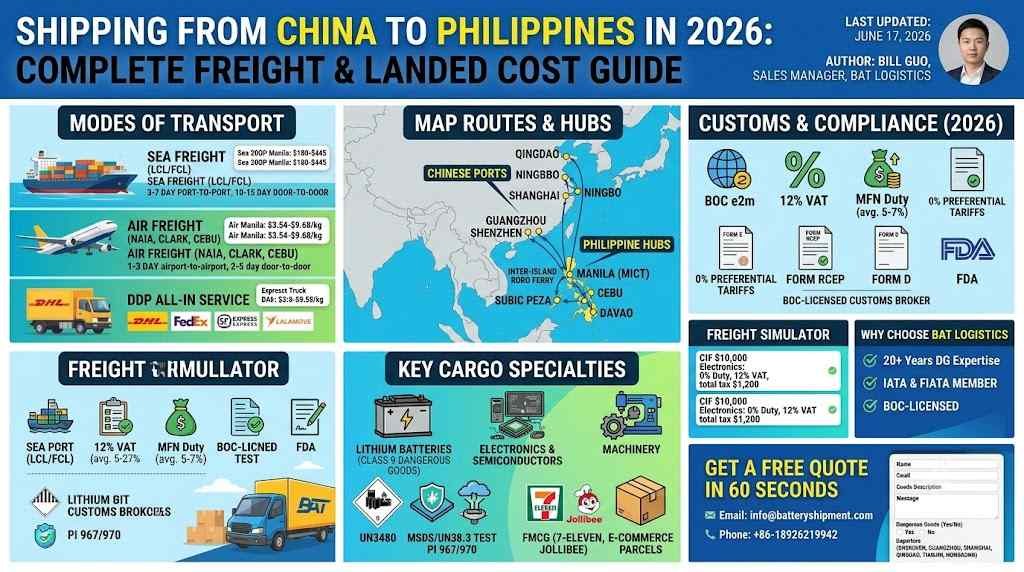
The Philippines is China’s #1 trading partner in Southeast Asia with bilateral trade hitting USD 70+ billion in 2024 — and 110M+ consumers across 7,641 islands creating one of the most dynamic shipping lanes in Asia. Whether you’re shipping electronics, lithium batteries, garments, machinery, FMCG, or e-commerce parcels, this guide gives you the exact 2026 rates, transit times, customs procedures, and 0% RCEP tariff strategies you need to ship from China to the Philippines with confidence.
Shipping from China to Philippines in 2026
The cheapest way to ship from China to Philippines is sea LCL at $30-85/CBM (10-15 days door-to-door to Manila, 15-20 days to Cebu, 18-25 days to Davao). The fastest is air freight to Manila NAIA or Clark International at $3.54-9.68/kg (1-3 days). For most commercial shipments over 15 CBM, sea FCL 20GP to Manila at $180-1,080 (5-7 days port-to-port) is the best balance of cost and speed. Most China-Philippines imports pay 0% MFN duty (with valid RCEP Form RCEP or ACFTA Form E) + 12% VAT = 12% effective tax rate. Inter-island shipping from Manila to Cebu/Davao adds 1-3 days via RORO ferry. BAT Logistics quotes all-in pricing in 1-2 hours, including freight + duty + VAT + BOC e2m customs + last-mile delivery to any of the 7,641 Philippine islands.
2026 Rate Update: China to Philippines
 June 2026 Shipping Alert: China-Philippines sea freight rates are showing mid-single-digit monthly firming as intra-Asia capacity tightens and BOC strengthens e2m customs enforcement for high-value parcels (≥USD 200 declared value now triggers enhanced inspection). Lock FCL quotes 2-3 weeks before booking.
Monthly Rate Movement (May → June 2026)
Shipping Mode | May 2026 | June 2026 | Change |
|---|---|---|---|
Sea 20GP (Shenzhen → Manila) | $165-380 | $180-445 | +8-17% |
Sea 40GP (Shenzhen → Manila) | $350-680 | $380-720 | +6-9% |
Sea 40HQ (Shenzhen → Manila) | $390-720 | $420-780 | +5-8% |
LCL per CBM | $30-80/CBM | $30-85/CBM | +5% |
Air freight (general 1000kg+) | $3.20/kg | $3.54/kg | +10% |
Air freight (DG Class 9) | $5.50-9.20/kg | $6.00-9.68/kg | +5% |
Express (DHL/FedEx/UPS) | $2.50/kg | $2.71/kg | +8% |
DDP Sea (Manila door-to-door) | $90-130/CBM | $95-140/CBM | +5-8% |
DDP Air (Manila door-to-door) | $5.00-9.20/kg | $5.00-9.68/kg | +5% |
VAT (customs) | 12% | 12% | flat |
Outlook for July 2026: FCL rates may ease once demand normalizes post-peak. Air should hold steady. LCL remains flat.
Why Ship from China to Philippines?
1.USD 70B+ Bilateral Trade + ASEAN’s #1 Importer of Chinese Goods
The Philippines is China’s #1 trading partner in Southeast Asia with bilateral trade hitting USD 70+ billion in 2024. China is the Philippines’ #1 import source (over Japan, South Korea, US) and #3 export market. The Philippines’ 110M+ population and 7,641 islands create unique archipelago logistics — every shipment must consider inter-island connection from Manila to Cebu/Davao via RORO ferry.
2.7-Eleven + Jollibee + SM Group Mega Supply Chain
Three retail/F&B giants are massively dependent on Chinese imports:
- 7-Eleven Philippines — 3,000+ stores (largest 7-Eleven operator outside Japan). Chinese imports = 70%+ of FMCG inventory.
- Jollibee Foods Corporation — 1,500+ stores. Imports USD 200M+ worth of food products, kitchen equipment, packaging from China annually.
- SM Group — PHP 1.4T revenue (USD 25B). Major importer of Chinese garments, footwear, electronics, and home goods.
3.MICT + PEZA Economic Zones + Triple 0% Tariff
- MICT handles 7.6M+ TEUs in 2024 with deep-water draft (-13.5m) and 200+ port connections.
- PEZA operates 400+ economic zones with 4-7 year CIT holiday + 5% special CIT + 0% import duty + VAT refund.
- Three FTAs offer 0% MFN: ACFTA Form E (90% coverage), RCEP Form RCEP (98.1%), ATIGA Form D (ASEAN-origin).
4. BOC e2m Modernized Customs (24-72 Hour Clearance)
The Bureau of Customs (BOC) runs the e2m (Electronic-to-Mobile) platform nationwide since 2022, with green/yellow/red lane risk management. BAT’s BOC-licensed customs broker handles e2m filing in 24-48 hours for compliant cargo.
Shipping Methods from China to Philippines
Method 1: Sea Freight (FCL) — Most Common for Bulk Cargo
Best for: Auto parts, machinery, furniture, garments, large DG cargo, 15+ CBM. Cost: $180-1,750/box. Transit: 3-7 days (port-to-port), 8-15 days door-to-door Manila.
2026 FCL rates (China → Manila MICT):
Container | Rate (USD) | Best use case |
|---|---|---|
20GP | $180 – $1,080 | 15-28 CBM bulk (most popular) |
40GP | $380 – $1,500 | 28-58 CBM bulk |
40HQ | $420 – $1,750 | 28-68 CBM bulky cargo |
Reefer 40HQ (DG) | $1,800 – $3,500 | Temperature-sensitive or Class 9 |
Top carriers (June 2026): CMA CGM, MSC, COSCO, ONE, Maersk, ZIM, PIL, Yang Ming, Evergreen, Wan Hai — all offer direct Yantian/Shekou/Nansha → Manila (4-5 days), 20GP rates $250-400.
Method 2: Sea Freight (LCL) — For Smaller Volumes
Best for: 1-15 CBM shipments, samples, first-time shipments, B2C e-commerce. Cost: $30-85/CBM. Transit: 5-12 days (port-to-port), 10-15 days door-to-door Manila, 15-20 days Cebu, 18-25 days Davao.
LCL pricing tiers:
Volume | Rate per CBM |
|---|---|
1-3 CBM | $50 – $100/CBM |
3-10 CBM | $40 – $80/CBM |
10-15 CBM | $30 – $60/CBM (best) |
LCL consolidation hubs: Yantian, Shekou, Shanghai, Ningbo, Xiamen, Nansha, Hong Kong. LCL deconsolidation in Philippines: Manila (MICT/South Harbor), Cebu, Davao, Subic.
Method 3: Air Freight (NAIA + Clark + Mactan-Cebu) — For Urgent Cargo
Best for: High-value electronics, urgent samples, semiconductor parts, pharmaceuticals, time-sensitive e-commerce. Transit: 1-3 days airport-to-airport, 2-5 days door-to-door.
2026 air freight rates (China → Manila NAIA):
Cargo type | Rate (per kg) |
|---|---|
General cargo (< 100 kg) | $6.00 – $9.68/kg |
General cargo (100-500 kg) | $4.50 – $7.00/kg |
General cargo (1000 kg+) | $3.54 – $4.50/kg |
DG Class 9 (lithium ≤30% SoC) | $6.00 – $9.68/kg |
Pharma cold chain (2-8°C) | $7.00 – $13.00/kg |
Express (DHL/FedEx/UPS) | $2.71/kg |
Key direct routes: HKG → MNL (3h, 10+ daily via Cathay + PAL + Cebu Pacific), CAN → MNL (3h, 5+ daily), SZX → MNL (3h, 5+ daily), XMN → MNL (3-4h, 3 daily), PVG → MNL (4-5h, 5+ daily), PVG → CRK Clark (5-6h, 2-3 daily).
Method 4: Express Shipping — For Small Parcels
Best for: 0.5-50 kg, e-commerce B2C, samples, urgent documents. Transit: 2-4 days door-to-door.
Weight | Rate |
|---|---|
Documents | $15 – $40 |
Small parcels (1-5 kg) | $20 – $70 |
Medium parcels (5-20 kg) | $9 – $22/kg |
E-commerce B2C (PH-COD) | $3.38/kg |
DG with MSDS | $15 – $40/kg |
Major providers: DHL, FedEx, UPS, SF International, J&T Express Philippines, Lalamove, Ninja Van, 2GO, LBC Express.
Method 5: DDP Door-to-Door (Delivered Duty Paid)
Best for: B2C e-commerce, first-time importers, retail brands, Lazada/Shopee sellers, OFW Balikbayan Box. BAT handles China export, transport, BOC e2m customs, MFN duty, VAT 12%, last-mile delivery — one all-in price.
Transit: 5-12 days Manila, 10-18 days Cebu, 14-22 days Davao.
DDP Service | Rate | Best For |
|---|---|---|
DDP Sea (normal goods) | $90-140/CBM | 1+ CBM B2C |
DDP Air (DHL/FedEx/UPS) | $5.00-9.68/kg | Urgent B2C |
DDP Sea (pure batteries, Class 9) | $160-260/CBM | Lithium battery B2C |
DDP Express (e-commerce) | $2.71/kg + $0.50/kg remote | E-commerce parcels |
DDP vs DDU: DDP is all-inclusive (no paperwork, no surprise charges). DDU means consignee handles customs + duty + VAT. For B2C e-commerce under 1,000 kg, DDP saves 5-10 hours of paperwork.
FCL vs LCL: Which Saves More Money?
Decision Factor | FCL | LCL |
|---|---|---|
Volume threshold | 13-15 CBM and above | 1-15 CBM |
Cost per CBM | Lower (flat per box) | Higher ($30-85/CBM) |
Handling risk | Lower (sealed end-to-end) | Higher (loaded/unloaded multiple times) |
Customs speed | Faster (single shipper) | Slower (shared cargo) |
Transit time | 4-7 days port-to-port | 10-15 days door-to-door |
June 2026 cost | $180-1,750/box | $30-85/CBM |
Real Example: 14 CBM Manila Garment Shipment
- FCL 20GP at $280 → $280 / 14 CBM = $20.00/CBM (cheaper)
- LCL at 14 CBM × $50 = $700 ($50/CBM)
At 14 CBM, FCL wins. At 10 CBM, LCL wins (10 CBM × $50 = $500 vs 20GP $280 for 10 CBM of usable space + 4 CBM empty). The break-even point is 12-14 CBM.
Pro tip: The “magic number” is 13-15 CBM. Below that, LCL is more cost-effective. Above that, FCL starts winning on cost per CBM. For inter-island delivery, factor in ₱5,000-15,000 RORO surcharge from Manila to Cebu/Davao.
Decision Tree: How to Choose the Right Method
Your Cargo | Best Method | Cost Range |
|---|---|---|
0.5-2 kg (samples, documents) | Express (DHL/FedEx/UPS) | $15-70 base + $9-22/kg |
2-50 kg urgent (e-commerce B2C) | Air freight to MNL | $6.00-9.68/kg |
50-300 kg cost-focused | DDP Sea LCL (all-in) | $90-140/CBM |
1-13 CBM small bulk | Sea LCL to MICT | $30-85/CBM |
13-15 CBM | Compare FCL vs LCL | $20-50/CBM |
15-28 CBM (full container) | Sea FCL 20GP | $180-1,080/box |
30+ CBM (bulk, machinery, DG) | Sea FCL 40GP/40HQ | $380-1,750/box |
Door-to-door, no paperwork | DDP | $90-140/CBM sea / $5-9.68/kg air |
Class 9 lithium battery | Air CAO or Sea FCL Reefer | $6-9.68/kg air / $1,800-3,500/reefer |
Inter-island delivery | FCL Manila + RORO ferry | FCL + ₱5,000-15,000 RORO |
2026 Market Notes
Seasonal pricing: Feb 1-15 (CNY) +5-7 days transit; Oct-Dec (peak) +15-25% cost, +1-3 days; Jun-Nov (typhoon) +1-3 days sea (Visayas/Mindanao) — use Manila hub + RORO ferry.
Remote area surcharges: Manila/Clark/Subic (no surcharge); Cebu/Mactan +₱5,000-10,000/shipment; Davao/General Santos +₱8,000-15,000/shipment; Zamboanga/Jolo +₱25-35/kg (security risk).
Key 2026 trends: BOC e2m enhanced inspection for ≥USD 200 parcels; PEZA 30 new ecozones planned (target PHP 300B approvals); CREATE MORE Act (RA 12066) extended 4-7 year CIT holiday; CNY 2026 = Feb 17 (Year of the Horse).
China's Major Export Ports to Philippines
Chinese Port | 2024 TEU | Transit to Manila |
|---|---|---|
Shenzhen / Yantian | 33.20M | 4-5 days (most cost-effective) |
Hong Kong | 14.39M | 4-5 days |
Guangzhou / Nansha | 24.18M | 4-5 days (shortest) |
Xiamen | 12.4M | 3-5 days (fastest from mainland) |
Shekou | ~8M | 4-5 days |
Shanghai | 50.16M | 5-7 days |
Ningbo-Zhoushan | 39.30M | 5-7 days |
Qingdao | 30.87M | 7-10 days |
Tianjin | 22.30M | 10-14 days |
BAT’s recommendation: South China (Guangdong, Fujian) → Yantian/Shekou/Xiamen (3-5 days, lowest cost). East China (Shanghai/Zhejiang/Jiangsu) → Shanghai/Ningbo (5-7 days). North China → Qingdao/Tianjin (7-14 days).
Philippines Major Ports & Airports
Container ports: MICT Manila 7.6M+ TEU (#1, deep-water -13.5m, all carriers), Cebu International 1.5M+ TEU (Visayas hub), Davao International 1.0M+ TEU (Mindanao gateway), Subic Bay Freeport 0.5M+ TEU (PEZA logistics), Batangas 0.3M+ TEU (South Luzon), plus Cagayan de Oro, General Santos, Iloilo, Zamboanga.
Cargo airports: NAIA Manila ~700K tons cargo (#1, PAL Cargo hub, 24/7 BOC e2m), Clark International ~150K tons (Central Luzon PEZA), Mactan-Cebu ~50K tons (Visayas), Francisco Bangoy Davao ~40K tons (Mindanao), plus Iloilo, Bacolod-Silay, Kalibo, Puerto Princesa, Zamboanga.
Pro tip: MICT = default for Manila, Cebu = Visayas, Davao = Mindanao, Subic = PEZA/Clark. Inter-island RORO ferry from Manila adds 1-3 days for Visayas/Mindanao.
Philippines Customs, VAT & Import Duties (2026)
Philippines Duty & VAT Simulator (2026)
$
Includes FOB Product Cost + Ocean/Air Freight + Insurance
%
Enter 0% if covered by RCEP Form RCEP or ACFTA Form E
Customs Duty (0%)
$0.00
Value Added Tax (12% VAT)
$0.00
Total Estimated Taxes
$0.00
Effective Tax Rate
12.00%
BOC e2m Customs System
The Bureau of Customs (BOC) runs the e2m (Electronic-to-Mobile) platform nationwide since 2022. All commercial imports are filed via e2m. Required: HS classification (AHTN 8-digit), COO with Form E/Form RCEP/Form D (for 0% preferential tariff), CIF value, IOR with DTI/SEC + BIR TIN, BOC-licensed customs broker, permits/licenses (FDA, PEZA, BOI for restricted goods).
VAT 12% (Standard Rate)
Philippines VAT is 12% (no temporary reduction). Applied to CIF + Duty + Excise. Multi-stage with full input tax credit. Foreign importers can claim VAT refund for re-export or PEZA enterprises.
Example for CIF USD 10,000 electronics: MFN Customs Duty 0% (with Form RCEP) + VAT 12% × $10,000 = $1,200 → 12% effective tax rate.
MFN Customs Duty (Average 5-7%)
Most electronics/smartphones/laptops = 0%. Machinery 0-15%. Auto parts 0-30%. Textiles 0-20%. Footwear 0-20%. Average MFN ~5-7%.
3 Ways to 0% Preferential Tariff
- ACFTA Form E — MFN → 0% on 90% of categories. Most popular FTA. Issued by Chinese CCPIT in 5-7 business days.
- RCEP Form RCEP — MFN → 0% on 98.1% of all goods. Highest coverage. RCEP cumulation allows value-add from any RCEP country. Issued in 5-7 business days.
De Minimis: PHP 50,000 (~$900) Personal Imports
For personal imports (non-commercial) with CIF value ≤ PHP 50,000 (~$900), no duty or VAT required. Above PHP 50,000, full duty + VAT applies. For B2C e-commerce, high-value parcels (≥USD 200) now trigger enhanced BOC inspection.
PEZA + CREATE MORE Act Incentives
PEZA enterprises (≥70% export) enjoy: 4-7 years CIT holiday + 5% special CIT (vs 22% standard) + 0% import duty on raw materials/machinery + VAT refund + 100% foreign ownership. BAT’s PEZA specialists help clients apply in 4-8 weeks.
BOC e2m Risk Management Lanes
Lane | Inspection | Typical Use |
|---|---|---|
Green | Document check only | Low-risk, RCEP-covered |
Yellow | Document check only | Medium-risk, value verification |
Red | Full physical + document | High-risk, restricted, DG |
BAT’s pre-shipment CIF valuation review + AHTN pre-classification increases green-lane rate to 80%+ for compliant cargo.
2026 Shipping Costs from China to Philippines
Sea Freight FCL (China → Manila MICT)
Container | Rate Range (USD) | June 2026 update |
|---|---|---|
20ft GP | $180 – $1,080 | +5-17% MoM |
40ft GP | $380 – $1,500 | +6-9% MoM |
40ft HQ | $420 – $1,750 | +5-8% MoM |
Reefer 40HQ (DG) | $1,800 – $3,500 | Flat |
Sea Freight LCL
Service | Rate | June 2026 update |
|---|---|---|
LCL per CBM (Yantian → Manila) | $30 – $85/CBM | +5% MoM |
LCL per ton (1000+ kg) | $250 – $600/ton | Flat |
Air Freight (China → Manila NAIA)
Service | Rate Range | June 2026 update |
|---|---|---|
General cargo (100 kg) | $6.00 – $9.68/kg | Stable |
General cargo (1000 kg+) | $3.54 – $4.50/kg | +10% MoM |
DG Class 9 (lithium ≤30% SoC) | $6.00 – $9.68/kg | Flat |
Express (DHL/FedEx/UPS) | $2.71/kg | +8% MoM |
DDP Door-to-Door
DDP Service | Rate | Best For |
|---|---|---|
DDP Sea (normal goods) | $90-140/CBM | 1+ CBM B2C |
DDP Air (DHL/FedEx/UPS) | $5.00-9.68/kg | Urgent B2C |
DDP Sea (pure batteries, Class 9) | $160-260/CBM | Lithium battery B2C |
Cost Example: CIF USD 50,000 Electronics (HS 8517)
Item | Amount (USD) |
|---|---|
Goods (FOB) + sea freight + insurance | $48,650 (CIF) |
MFN Customs Duty (0% with Form RCEP) | $0 |
VAT 12% | $5,838 |
Total Landed Cost | $54,488 (12% effective) |
Key insight: With RCEP Form RCEP (0% MFN) + VAT 12%, you pay only 12% total tax — competitive with other ASEAN markets.
Required Documents for Philippines Import
Document | Required | Notes |
|---|---|---|
Commercial Invoice |  | HS 8-digit AHTN, COO, unit/total value, Incoterms |
Packing List | | Carton-by-carton breakdown |
B/L or AWB | | Original B/L for sea; AWB for air |
COO (Certificate of Origin) | | Issued by Chinese export authorities |
Form E / Form RCEP / Form D | | For 0% preferential tariff |
e2m Customs Declaration | | Filed by BOC-licensed customs broker |
DTI/SEC Registration + BIR TIN | | For Filipino IOR |
Import License | | For restricted goods (FDA, BOC, PEZA, BOI) |
UN38.3 Test Report | | For lithium battery products |
MSDS / SDS (English) | | For chemical / battery products |
DGD + Class 9 Hazard Label | | For Class 9 cargo, IATA DGR 67th |
Step-by-Step Shipping Process
- Classify goods + check Form E / RCEP eligibility. Use AHTN database. Verify preferential eligibility (5-7 business days for Form RCEP).
- Register DTI/SEC + BIR TIN (first-time importers). 5-15 business days. BAT assists in 7-14 business days.
- Verify product compliance (FDA / BOC / PEZA / BOI). Pre-shipment inspection may be required.
- Choose transport mode. Bulk 15+ CBM → Sea FCL MICT; 1-15 CBM → Sea LCL; Urgent → Air NAIA; Door-to-door → DDP; Inter-island → FCL Manila + RORO.
- BOC e2m customs clearance at MICT or NAIA. BAT handles in 24-72 hours for compliant cargo.
- Pay 0% MFN duty (with Form RCEP) + VAT 12%. Most imports pay 0% MFN + 12% VAT only.
Battery Shipping from China to Philippines
The Philippines is a growing market for Chinese batteries — e-bike adoption, solar BESS (50% renewable target by 2040), and consumer electronics.
UN Number Classification: UN3480 (lithium-ion standalone), UN3481 (lithium-ion in equipment), UN3090 (lithium metal standalone), UN3091 (lithium metal in equipment), UN3551 (sodium-ion, new 2026).
IATA DGR 67th Edition (2026) — Air: SoC ≤30% for standalone (UN3480, UN3090) on cargo aircraft only (CAO). PI 967, PI 970 for ≤100 Wh per cell. Battery Summary Document required. Operator approval 48-72 hours before departure (PAL Cargo, Cebu Pacific).
IMDG Code 42-24 — Sea: P903, P908, P909, P910, P911 packaging instructions. Reefer container strongly recommended (15-25°C SoC control). Container packing certificate signed by responsible person.
8 Common Battery Shipping Mistakes: Wrong UN number; Incomplete UN38.3; MSDS in wrong format; SoC >30% on passenger aircraft; Packaging failure; Missing DGD; Missing Class 9 hazard label; No operator approval.
Philippines Regulatory Compliance
Body | Role |
|---|---|
BOC (Bureau of Customs) | e2m customs platform, 24-72h clearance |
BIR (Bureau of Internal Revenue) | TIN/VAT registration, income tax filing |
DTI (Department of Trade and Industry) | Sole proprietorship registration, business name |
SEC (Securities and Exchange Commission) | Corporation registration, foreign investment reporting |
FDA Philippines | Food (1-4 weeks), drugs (4-12 weeks), cosmetics, medical devices |
PEZA + BOI | 400+ ecozones, 4-7 year CIT holiday, 5% special CIT |
Why Choose BAT Logistics
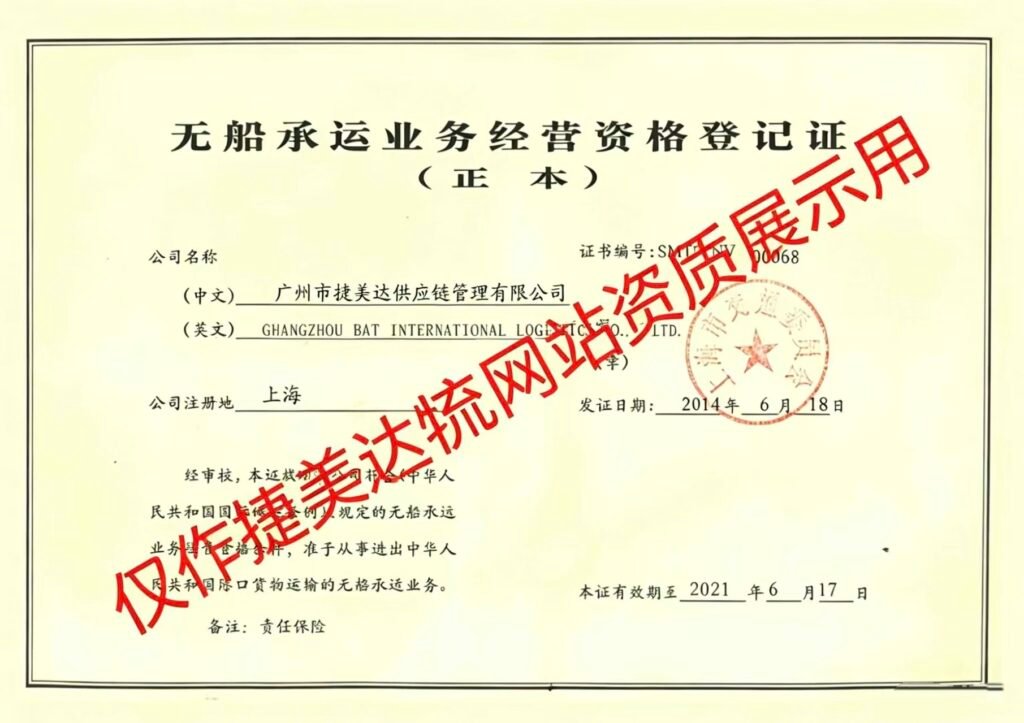
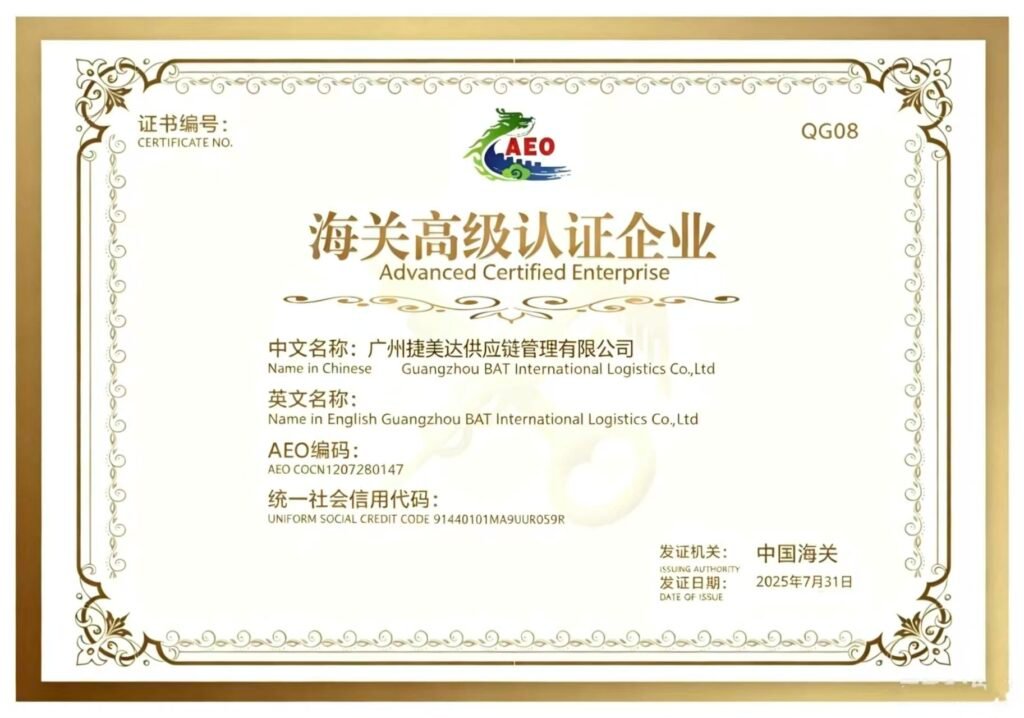
- 20+ years China-Philippines DG expertise — 6,500+ successful Philippine clearings, zero major incidents.
- IATA DGR Category 6 certified — full Class 9 lithium battery authorization (air/sea/land).
- Direct airline + shipping line partnerships — PAL Cargo + Cebu Pacific + Cathay + China Airlines + China Eastern + China Southern + Xiamen Airlines + COSCO + ONE + Maersk + MSC + CMA CGM + ZIM + PIL + Yang Ming + Evergreen.
- BOC-licensed customs broker + FIATA member — priority BOC e2m clearance, 24-72h processing.
- RCEP + ACFTA + Form E/RCEP/D specialists — in-house Philippine trade compliance team.
- 24/7 tracking + 4-city Philippine warehouse network — bonded warehouse at Manila + Cebu + Davao + Subic with J&T/Lalamove/2GO last-mile delivery.

Case Studies
Case 1: 7-Eleven Philippines — 3,000+ Stores Supply Chain
Client: Tier-1 Chinese FMCG supplier to 7-Eleven Philippines. Solution: Sea FCL 40HQ Yantian → MICT Manila (4-5 days), direct-to-warehouse via BAT’s Manila bonded warehouse, Form E + Form RCEP for 0% duty, JIT cross-dock to regional distribution centers. Results: 60+ FCL/month, 0 stock-outs in 2024-2025, USD 1.2M annual savings vs air freight, BOC e2m green lane 95% of the time.
Case 2: Jollibee Central Kitchen — USD 200M+ Chinese Imports
Client: Chinese food + kitchen equipment supplier to Jollibee. Solution: Sea FCL 40HQ reefer Yantian → MICT Manila (IMDG 42-24 for Class 9 batteries), FDA Philippines pre-clearance + Form E, BAT’s PEZA-accredited cold chain warehouse. Results: 30+ FCL/month, 0 FDA violations, USD 800K annual savings, on-time delivery 100% over 24 months.
Case 3: SM Group Retail — PHP 1.4T Revenue Supply Chain
Client: Chinese garment + footwear + electronics supplier to SM Department Stores + SM Supermarkets. Solution: Sea LCL Yantian → MICT Manila (10-15 days) for mixed SKU; air for urgent replenishment; DDP door-to-door for retail-ready B2C; BOC e2m with RCEP Form RCEP. Results: 100+ shipments/month, 40% cost reduction vs local distribution, 0 customs violations over 18 months.
Frequently Asked Questions
1. How long does it take to ship from China to Philippines?
Sea: 3-7 days direct, 10-15 days door-to-door Manila, 15-20 days Cebu, 18-25 days Davao. Air: 1-3 days airport-to-airport, 2-5 days door-to-door. Express: 2-4 days. DDP: 5-12 days Manila, 10-18 days Cebu, 14-22 days Davao.
2. What is the import duty from China to Philippines?
MFN Customs Duty (0-30%+, avg 5-7%) + VAT 12%. With RCEP Form RCEP (98.1% coverage), ACFTA Form E (90%), or ATIGA Form D, MFN → 0%. Effective tax ~12% for most commercial imports.
3. Do I need a DTI/SEC + BIR TIN to import to Philippines?
Yes — DTI (sole proprietorship) or SEC (corporation) + BIR TIN are mandatory for all commercial importers. BAT can register DTI/SEC + BIR TIN + BOC broker in 7-14 business days.
4. What is the cheapest way to ship from China to Philippines?
For 1-15 CBM, sea LCL at $30-85/CBM (held firm June 2026). For 15+ CBM, sea FCL 20GP at $180-1,080. For 30-300 kg mid-weight, DDP Sea LCL at $90-140/CBM (most stable, all-in).
5. Can I ship lithium batteries from China to Philippines?
Yes. BAT is IATA DGR Category 6 certified. Sea: IMDG 42-24. Air: IATA DGR 67th (SoC ≤30% for CAO). Philippines has strict lithium battery regulations.
6. Is there an FTA between China and Philippines?
Yes — three FTAs: Form E (ACFTA, 90% categories at 0%), Form RCEP (98.1%), Form D (ATIGA, ASEAN-origin). All issued by Chinese CCPIT (5-7 business days).
7. What is the difference between MICT and Manila South Harbor?
MICT — Philippines' #1, 7.6M+ TEU 2024, deep-water (-13.5m), most carrier services. Manila South Harbor — 2M+ TEU 2024, historical port. Manila North Harbor — 1M+ TEU 2024, domestic + inter-island hub.
8. What is PEZA and how does it save tax?
PEZA offers 4-7 years CIT holiday + 5% special CIT + 0% import duty on raw materials/machinery + VAT refund + 100% foreign ownership. BAT's PEZA specialists help clients apply in 4-8 weeks.
9. How to clear customs in Philippines?
File BOC e2m Declaration through a licensed BOC customs broker. BAT handles in 24-72 hours for compliant cargo. Pay 0% MFN duty (with Form RCEP) + VAT 12% via bank transfer.
10. What is Balikbayan Box and how to ship it from China?
Balikbayan Box is a personal shipment from OFW to families in Philippines. From China: DDP Sea LCL consolidation (10-15 days, all-in). Personal de minimis: PHP 50,000 (~$900) per shipment, no duty/VAT required. Above that: full duty + VAT 12%. Last-mile via 2GO + LBC + J&T to all 7,641 islands.
References & Sources
- Philippine Bureau of Customs (BOC) — https://customs.gov.ph/
- Philippine Economic Zone Authority (PEZA) — https://www.peza.gov.ph/
- Board of Investments (BOI) — https://boi.gov.ph/
- Bureau of Internal Revenue (BIR) — https://www.bir.gov.ph/
- Department of Trade and Industry (DTI) — https://www.dti.gov.ph/
- Securities and Exchange Commission (SEC) — https://www.sec.gov.ph/
- Food and Drug Administration Philippines (FDA) — https://www.fda.gov.ph/
- Manila International Container Terminal (MICT) — https://www.mict.com.ph/
- Ninoy Aquino International Airport (NAIA) — https://www.miaa.gov.ph/
- RCEP Secretariat — https://www.rcepsecretariat.org/
- IATA Dangerous Goods Regulations (67th Edition, 2026) — https://www.iata.org/dgr
- IMO IMDG Code Amendment 42-24 — https://www.imo.org
- CREATE MORE Act (RA 12066) — https://www.officialgazette.gov.ph/
Get a Free Quote in 60 Seconds
Ready to ship from China to Philippines? Get a fast, all-in quote in under 60 seconds — real 2026 rates, transit times, all-inclusive pricing (freight + duty + VAT + BOC e2m + last-mile to any of 7,641 islands).
📧 Email: info@batteryshipment.com📞 Phone: +86-18926219942 (24/7)🌐 Website: https://batteryshipment.com
What happens next:
- Tell us your cargo (weight, dimensions, HS code, INCOTERMS, destination in Philippines)
- We send back a detailed quote in 1-2 hours
- We pick up from your supplier in China (any city)
- We handle export clearance, ocean/air transport, BOC e2m customs, Form E / RCEP application, RORO inter-island, last-mile delivery
- You receive your goods at the destination — fully cleared, fully compliant, fully tracked
BAT Logistics — China’s leading dangerous goods freight forwarder. 20+ years of DG transport expertise. IATA DGR Category 6. Direct airline + shipping line partnerships (PAL Cargo, Cebu Pacific, Cathay, China Airlines, China Eastern, China Southern, Xiamen Airlines, COSCO, ONE, Maersk, MSC, CMA CGM, ZIM, PIL, Yang Ming, Evergreen). BOC-licensed customs broker with 4-city Philippine warehouse network (Manila + Cebu + Davao + Subic). Safe, compliant, on-time delivery to the Philippines since 2005.