
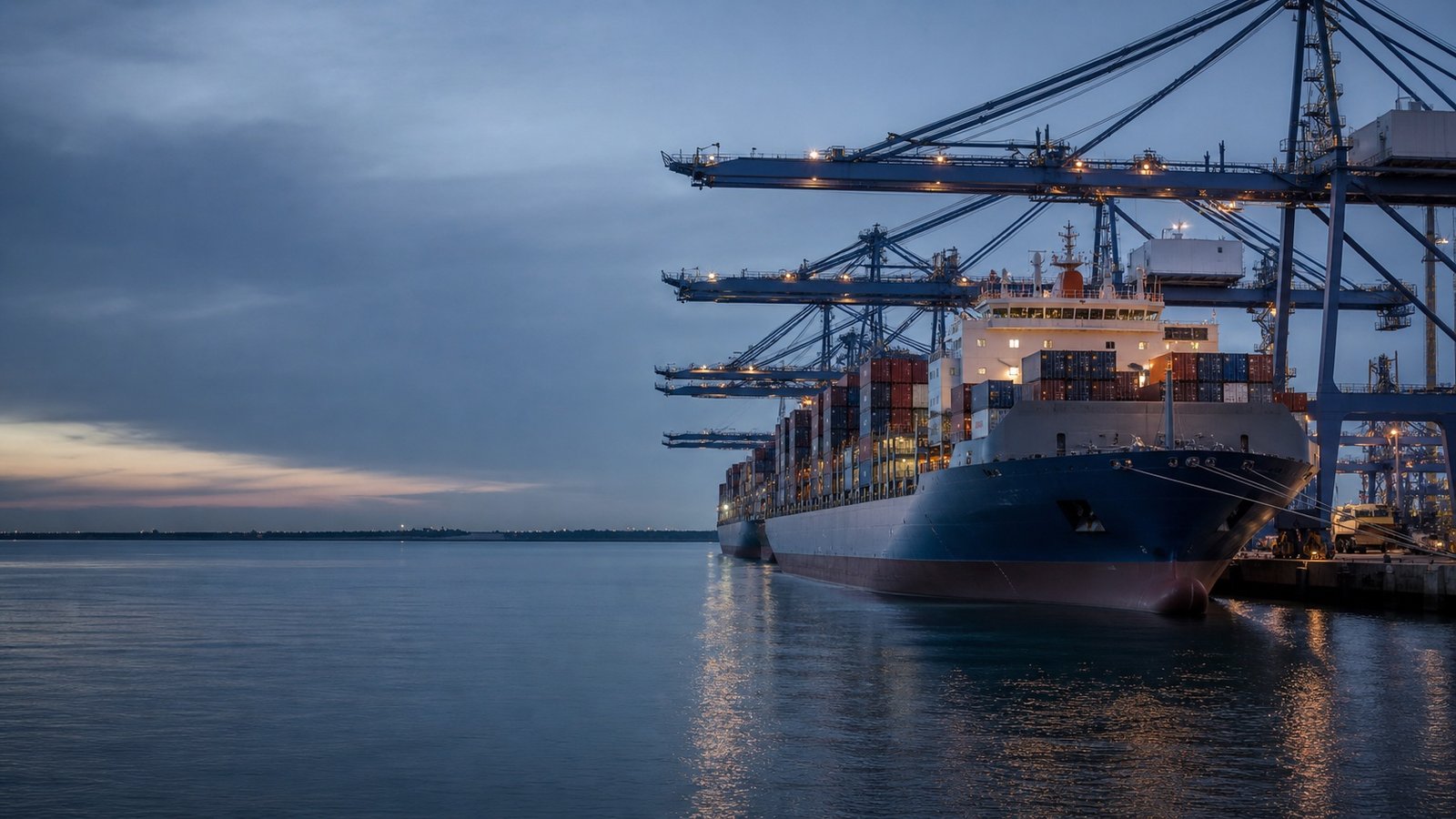
Shipping from China to the Netherlands
Plan the shipment beyond arrival. Compare ocean freight via Rotterdam, air freight via Schiphol and eligible rail or express options—with battery review, a named importer and a clear Dutch or onward-European delivery handoff.
AI-generated route illustration · not an actual BAT shipment.
A Dutch destination—or a gateway to somewhere else?
The final address and importer setup should guide the route before the freight rate does.
Connect the China pickup to the actual receiving address.
China origin
Shenzhen, Guangzhou and nearby suppliers: compare pickup, consolidation and the available export port or airport.
Shanghai, Ningbo and connected manufacturing areas: choose a departure around cargo readiness and the booked service.
Qingdao, Tianjin, Fujian and inland suppliers: account for the domestic leg before comparing international quotations.
Netherlands handoff
Compare the actual container terminal, release arrangements, free time and onward road, barge or rail connection.
Define the airline and cargo handler, import release and onward trucking; airport arrival is not door delivery.
Amsterdam, Rotterdam, Utrecht, Eindhoven, Venlo or another named address: check appointment, access, unloading and equipment return.
Rotterdam has road, rail and inland-waterway connections. Their availability for your shipment still depends on the terminal, cargo acceptance, operator and receiving site. Gateway examples are planning references, not a booked itinerary.
Choose the whole route, not just the main leg.
Container freight via Rotterdam
Sea freight is a useful first comparison for container-scale or less urgent cargo. FCL gives a dedicated container; LCL adds consolidation and deconsolidation handoffs. Do not use a fixed CBM threshold as the only selection rule.
Compare: total origin and destination charges, sailing and transshipment, dangerous-goods acceptance, free time, delivery and empty-container return.
Air freight via Schiphol
Air freight may suit eligible urgent parts, high-value products or smaller shipments. Use Amsterdam Schiphol as a gateway comparison, with a confirmed airline, handler and road-delivery plan.
Compare: chargeable weight, package dimensions, screening, cargo acceptance, handling and release—not flight time alone.
Rail with a named European handoff
Rail freight is an option to investigate where the current corridor and operator accept the cargo. A quotation may involve an arrival terminal outside the Netherlands and a separate onward leg. If a corridor involves Poland, identify that terminal and the transfer responsibilities explicitly.
Compare: live corridor, border and transit restrictions, operator acceptance, insurance, terminal charges and final trucking. Do not assume batteries are accepted.
Eligible parcels and samples
Express courier can be assessed for samples, spare parts and smaller eligible packages. Standalone batteries and battery-powered goods require configuration-specific acceptance; an ordinary parcel price is not a dangerous-goods quotation.
Compare: contents, package limits, battery configuration, consignee information, serviceable postcode and current network restrictions.
Write down who does what.
Door-to-door shipping should define pickup, export handling, carriage, import arrangements, local release and final delivery. A DDP proposal also needs a workable importer and tax arrangement; the label alone does not establish one.
Define: Incoterm and named place, importer, broker, duty/VAT responsibility, delivery appointment, unloading and exclusions before booking.
Keep customs, VAT and onward delivery distinct.
BAT coordinates the shipment information and named handoffs. Your importer, customs representative and tax adviser confirm the legal and tax setup.
Name the importer and check EORI.
EORI identifies operators for EU customs activities; a valid number issued in another EU country is not automatically replaced by a Dutch one. Confirm whose number and representation mandate apply before dispatch.
Align customs clearance instructions with the invoice parties, product description, customs value and transport documents.
Use the exact product and origin.
The EU Common Customs Tariff depends on product classification and origin. Ask the broker to check current tariff measures for the actual goods, rather than applying a broad “electronics” or “battery” percentage.
Transport approval is not product-market approval. The importer must identify applicable product requirements separately.
Article 23 is not a tax exemption.
Confirm the applicable Dutch VAT treatment and who accounts for it. An Article 23 permit can move import VAT accounting to a VAT return; it does not remove the tax obligation.
A foreign entrepreneur cannot apply directly for this permit and may use a tax representative. Eligibility, representation and reporting must be confirmed by the relevant adviser; BAT does not issue the permit.
Rotterdam is not the end of every route.
For onward delivery to Germany, Belgium or France, identify the receiving company, final country and customs procedure before moving the freight inland.
Ask the broker whether the goods are released in the Netherlands or move under a transit arrangement. A Dutch port entry alone does not settle the onward customs or VAT treatment.
This is a shipment-planning checklist, not a tax assessment. Current classification, value, origin, product rules and importer circumstances determine the treatment.
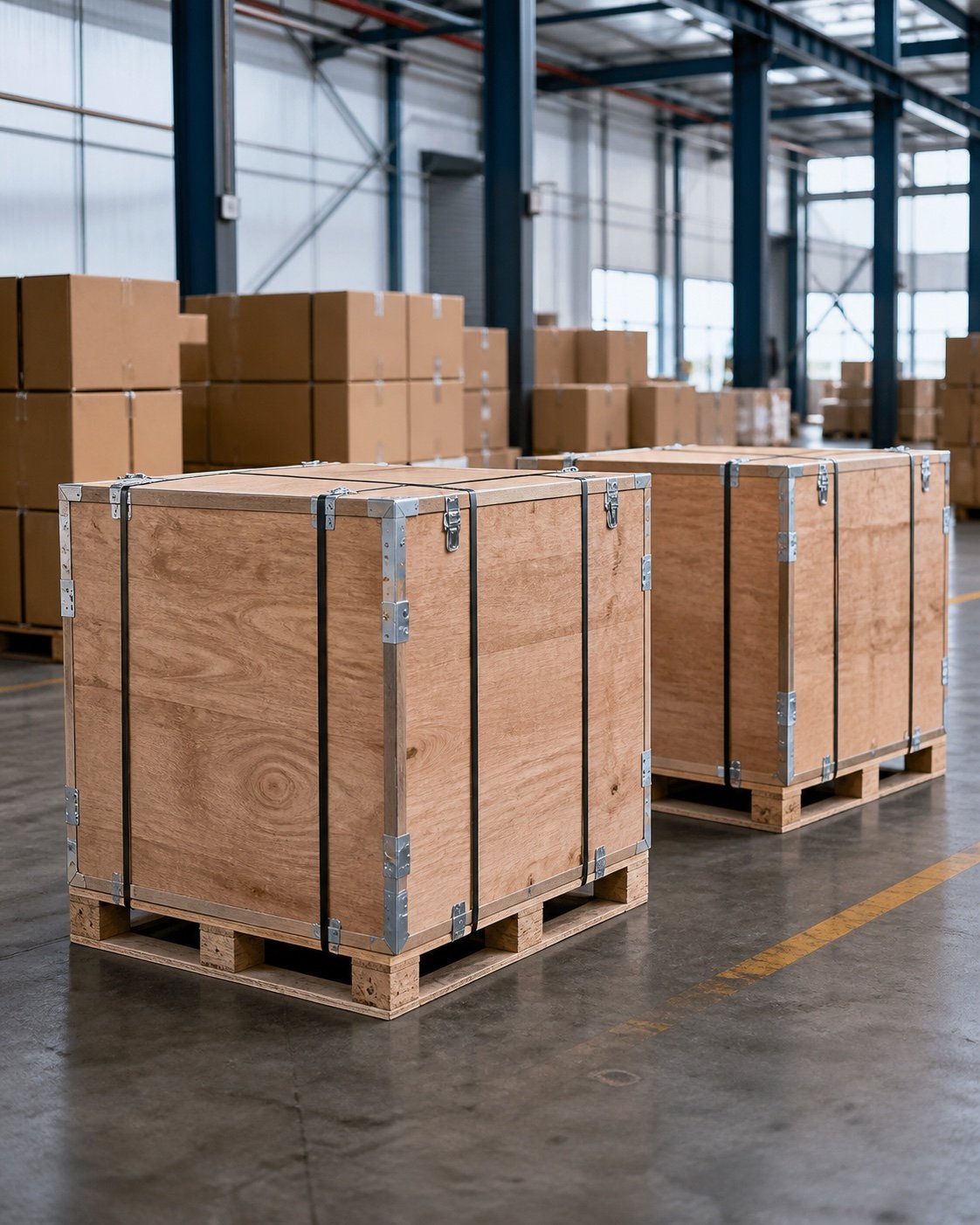
Two checks before cargo moves.
First, establish the transport configuration: standalone cells or batteries, packed with equipment, or installed in equipment. Supply chemistry, watt-hours or lithium content, UN number where known, condition, packing photographs, quantity and dimensions.
Second, have the importer confirm the Dutch/EU requirements for the finished product and intended use. A transport test summary does not establish every requirement for selling or using the product in Europe.
For larger energy storage products, include cabinet or container dimensions, lifting points, weight distribution and the unloading plan. These details affect handling and route selection.
Supplied UN38.3 test-summary information, SDS/MSDS where relevant, missing inputs and communication with suppliers, warehouses, carriers and destination parties.
Testing and document issuance remain with qualified providers. BAT does not create UN38.3 or SDS/MSDS, grant product approvals, or guarantee carrier acceptance or customs release.
Separate cargo readiness, carriage and release.
Document review, packing corrections, pickup, booking and cut-offs can affect when the shipment actually departs.
Compare the current sailing, flight or rail plan, transfers and route changes. Ask what event starts and ends the quoted transit time.
Customs review, terminal collection, inland connection, storage and the receiving appointment form a separate delivery stage.
No fixed price or guaranteed transit range is published here. Request a dated quotation for the actual cargo, route and scope, including assumptions and validity.
Read the quotation in six parts.
Prepare the information. Name the owner.
| Information | What to establish | Responsible input |
|---|---|---|
| Commercial invoice & packing list | Buyer/seller, accurate goods description, values, packages, weight and dimensions. | Supplier/exporter; importer and broker review. |
| Transport document | Bill of lading, air waybill or relevant transport record aligned with the booking. | Carrier or authorised issuing party. |
| Importer & EORI | Operator identity, representation instructions and intended customs procedure. | Importer and appointed customs representative. |
| Classification & product file | HS/CN information, origin, value and applicable product or import requirements. | Importer, supplier and qualified advisers. |
| Battery transport file | Configuration, specification, supplied test summary, SDS/MSDS where relevant and packing details. | Manufacturer/document issuer; operator confirms acceptance. |
| VAT & delivery instructions | Tax arrangements, named place, postcode, appointment, unloading and onward country. | Importer/tax representative and receiving site. |
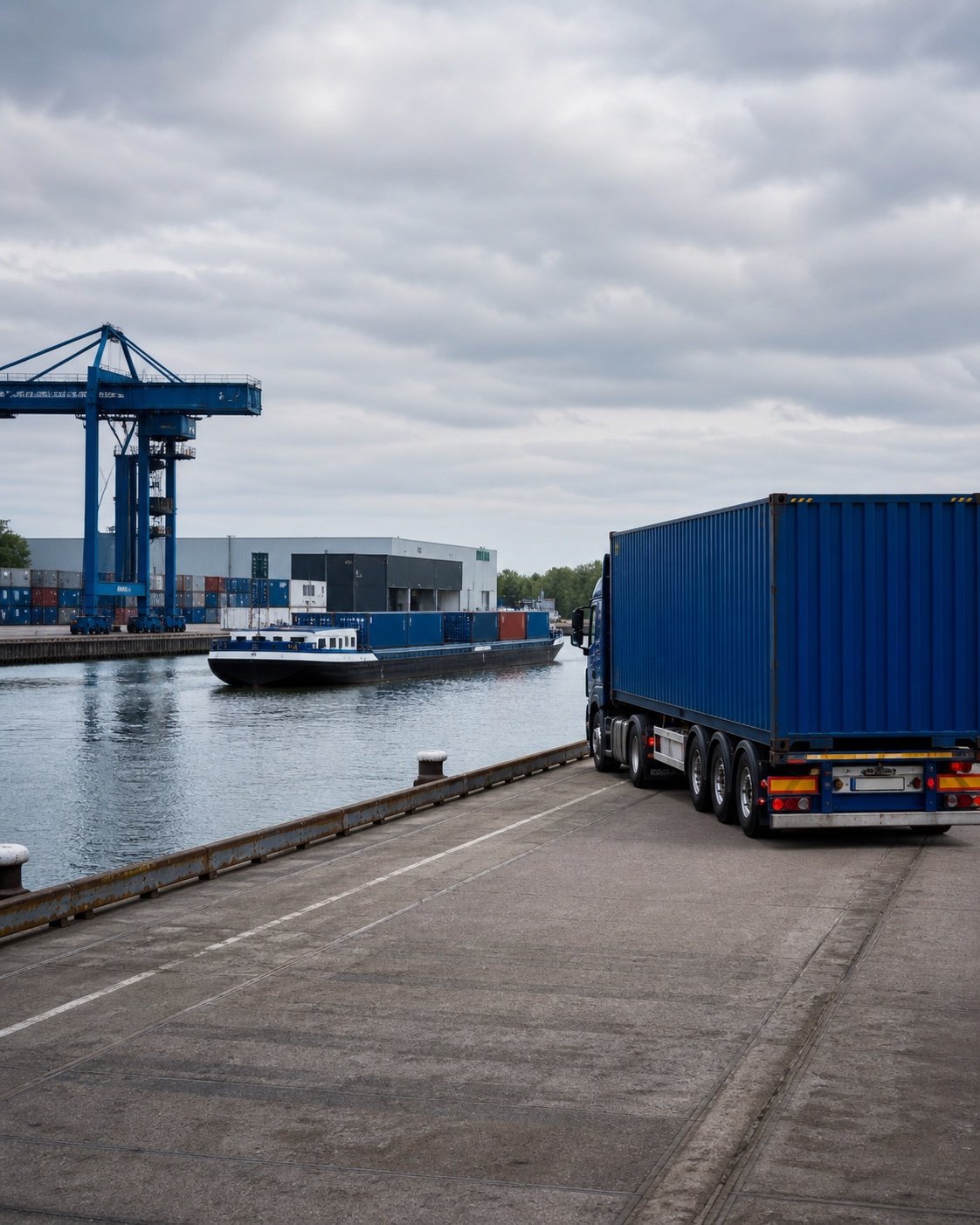
Make the handoffs clear before departure.
A workable route connects the shipment facts with the people responsible for each leg.
BAT reviews China-origin shipment information and coordinates with suppliers, warehouses, carriers and named destination parties. The quotation should state the chosen mode, gateway, import arrangement and delivery scope.
For the Netherlands, that means asking early about Rotterdam or Schiphol release, the importer, any onward EU destination and the receiving site’s practical requirements.
Questions before you book.
Should I choose Rotterdam sea freight or Schiphol air freight?
Compare the cargo, volume, urgency and total delivery scope. Rotterdam is an ocean-gateway comparison for larger or less urgent loads; Schiphol is an air-gateway comparison for eligible urgent cargo. Include release and inland costs in both quotations.
Does an arrival date mean delivery to my Dutch address?
No. Check whether the date refers to vessel arrival, flight arrival, availability for collection or delivery. Customs release, cargo handling, collection and a receiving appointment can fall after arrival.
Can a Rotterdam shipment continue to another EU country?
A named onward route can be assessed. Provide the destination country, receiving company and postcode; ask the customs representative to confirm release versus transit and the tax instructions before inland movement is arranged.
Do I need a new Dutch EORI if I already have an EU EORI?
An operator has one valid EORI at a time across the EU. Have the importer or customs representative validate the existing number and confirm its use for this declaration; do not apply for a second number simply because the shipment arrives in the Netherlands.
Does Article 23 mean I do not pay import VAT?
No. It changes how eligible import VAT is accounted for, subject to the permit and applicable arrangements. Foreign entrepreneurs should discuss tax representation with a qualified adviser. It is not a blanket exemption and BAT does not issue the permit.
Can standalone batteries travel by air, rail or courier?
Do not assume acceptance. Provide the exact battery configuration, specification, condition, packing and documents. Each operator and route may impose different restrictions; acceptance of batteries inside equipment does not establish acceptance of standalone batteries.
Does a UN38.3 test summary cover EU product compliance?
No. It supports a transport-related review; it is not a universal approval to import or place a finished product on the market. The importer must separately identify the product requirements and supporting records that apply.
Can you quote an all-in DDP shipment to the Netherlands?
An eligible proposal can be assessed once cargo details, the named destination, importer and tax arrangements are clear. Ask which duties, taxes, representation, terminal charges, storage, unloading and exceptional costs are included or excluded.
What is needed to compare freight quotations accurately?
Use the same cargo specification, weight, dimensions, pickup address, ready date, final postcode, Incoterm and importer arrangement. Also compare validity, cut-offs, storage/free time, delivery appointments and the definition of transit time.
Get a route plan for your shipment.
Send the China pickup city, cargo and battery details, packing, weight, dimensions, ready date, Incoterm and final Dutch or onward-European postcode.
Include the importer and available documents if known. BAT will review the missing inputs before discussing the mode, gateway and delivery handoff.