
Shipping from China to Indonesia in 2026: The Complete Guide

Last updated: June 17, 2026 · Reading time: 18 minutes · Author: Bill Guo, Sales Manager, BAT Logistics
Table of Contents
Indonesia is the world’s #4 most populous country and ASEAN’s largest economy with bilateral trade exceeding USD 130 billion in 2024. The China–Indonesia freight lane is one of Asia’s most dynamic trade corridors — driven by 280 million consumers, the USD 35 billion IKN Nusantara new capital project, the USD 7.3 billion Jakarta-Bandung HSR, and Chinese nickel investments exceeding USD 8 billion in Morowali and Weda Bay. Sea freight transits in just 4-7 days from South China to Tanjung Priok (7.5M TEU 2024, Indonesia’s #1 container port) and air freight in 3-7 hours to Soekarno-Hatta International Airport (CGK).
This guide covers everything you need to know about shipping from China to Indonesia in 2026: shipping methods and 2026 costs, Tanjung Priok and 5 major Indonesian container ports, Soekarno-Hatta Airport, PPN VAT 11% (raised from 10% in 2022), PPh 22 import tax 2.5%, ACFTA + RCEP 0% preferential tariff, CEISA 4.0 customs, NIB (Business Identity Number) registration, IKN Nusantara opportunities, and dangerous goods compliance under IATA DGR 67th Edition (2026) and IMDG Code 42-24.
Quick Reference: Shipping from China to Indonesia (June 2026)
Factor | Detail |
|---|---|
2024 China-Indonesia bilateral trade | USD 130+ billion (China = Indonesia’s #1 import source, 11 consecutive years) |
MFN import duty | 0% to 150% (HS-specific, protects domestic manufacturing) |
PPN (VAT) | 11% (raised from 10% on 2022-04-01, planned 12% in 2025+) |
PPh 22 import tax | 2.5% of CIF (most products) |
PPnBM (Luxury Tax) | 0% to 95% (HS-specific, cars/appliances) |
ACFTA preferential tariff | 0% on 90% of categories (ASEAN-China FTA, Form E) |
RCEP preferential tariff | 0% on most categories (Regional RCEP, Form RCEP) |
Customs authority | Direktorat Jenderal Bea dan Cukai (DJBC) |
Customs system | CEISA 4.0 (Indonesia National Single Window) |
Top container port | Tanjung Priok (Jakarta) — 7.5M TEU 2024 |
Main cargo airport | Soekarno-Hatta (CGK) — 2nd busiest in SE Asia |
2026 regulation updates | PPN 11%→12%, BPJPH Halal mandatory, ACFTA 3.0, IATA DGR 67th, IMDG 42-24 |
Why Ship from China to Indonesia in 2026? (5 Strategic Reasons)
1. Indonesia = ASEAN’s #1 Economy with USD 130B+ China Trade
Bilateral trade exceeded USD 130 billion in 2024, with China as Indonesia’s #1 import source for 11 consecutive years (~25% of total imports). Indonesia is the world’s 4th most populous country (280M people) and ASEAN’s largest economy (USD 1.4T GDP 2024). China supplies electronics, machinery, textiles, footwear, motorcycles, automotive parts, steel, chemicals, and consumer goods at scale. Chinese FDI into Indonesia reached USD 8.2 billion in 2024, making China Indonesia’s #2 foreign investor.
2. IKN Nusantara New Capital = USD 35B Megaproject (China-Ready)
Indonesia is relocating its capital from Jakarta to Nusantara (IKN) in East Kalimantan (2024-2045 phased plan), with USD 35 billion in committed investment through 2026. China is a key partner in IKN construction:
- Chinese contractors building government buildings, infrastructure, and housing
- Chinese steel, cement, and machinery dominating supplies
- China-Indonesia joint ventures for IKN’s smart city infrastructure
BAT manages dedicated IKN construction cargo lanes to Balikpapan + East Kalimantan ports for Chinese suppliers.
3. ACFTA + RCEP 0% Preferential Tariff (Double Coverage)
Indonesia and China are both members of:
- ACFTA (ASEAN-China Free Trade Agreement) — in force since 2003, 90% of categories at 0% with Form E issued by Chinese CCPIT
- RCEP (Regional Comprehensive Economic Partnership) — in force since 2022, most categories at 0% with Form RCEP issued by Chinese CCPIT
With valid Form E or Form RCEP, importers achieve 0% MFN duty on qualifying HS codes. BAT’s trade compliance team prepares both certificates and selects the most beneficial per shipment.
4. 5 Major Container Ports + 2 Major Cargo Airports = Full Archipelago Coverage
Indonesia is the world’s largest archipelago (17,000+ islands), requiring multi-port distribution. The 5 major container ports cover all major population centers:
Port | Coverage | 2024 TEU |
|---|---|---|
Tanjung Priok (Jakarta) | Java, Sumatra, West Indonesia | 7.5M |
Tanjung Perak (Surabaya) | East Java, Bali, NTB, NTT | 4.2M |
Belawan (Medan) | Sumatra, Aceh, Riau | 1.5M |
Makassar | Sulawesi, Maluku, Papua | 1.2M |
Semarang | Central Java, DIY | 1.0M |
Soekarno-Hatta (CGK) and Ngurah Rai (DPS) handle 80%+ of Indonesia’s air cargo. BAT has direct allocations with Pelindo (Indonesia Port Corporation) for priority berthing.
5. BAT’s 20-year China-Indonesia DG Track Record
Indonesia’s massive construction pipeline (HSR + IKN + nickel + EV) drives strong demand for Chinese DG cargo. BAT’s 20-year DG specialization, with direct partnerships with Garuda Indonesia Cargo, Singapore Airlines Cargo, Cathay, China Airlines, China Eastern, COSCO, ONE, Maersk, MSC, CMA CGM, Hapag-Lloyd, ZIM, PIL, and Evergreen, ensures guaranteed space allocation and compliant handling for lithium batteries, energy storage systems, machinery, chemicals, and other Class 3 / Class 8 / Class 9 cargo to Tanjung Priok and 4 other Indonesian ports.
Indonesia's 17,000 Island Geography: A Logistics Challenge
1. Why Indonesia is Geographically Unique
Indonesia spans:
- 17,000+ islands (only 6,000+ inhabited)
- 5,150 km east-to-west (Sabang to Merauke, longer than USA continental)
- 1,760 km north-to-south
- Strategic position between Indian and Pacific Oceans
This geography makes Indonesia the world’s most complex logistics market:
- Multi-port distribution required (no single port can serve the entire country)
- Inter-island shipping (sea + air feeders) essential
- Last-mile challenges for 6,000+ inhabited islands
- Tropical climate (rain, humidity, typhoon risk) affects shipping
2. Major Inter-Island Shipping Lanes
Lane | Mode | Transit |
|---|---|---|
Tanjung Priok (Jakarta) → Surabaya | Sea (intra-Indonesia) | 2-3 days |
Tanjung Priok → Belawan (Medan) | Sea | 5-7 days |
Tanjung Priok → Makassar | Sea | 4-6 days |
Tanjung Priok → Sorong (Papua) | Sea | 10-14 days |
Surabaya → Bali (Denpasar) | Sea (short-sea) | 1-2 days |
Jakarta → Surabaya | Air (CGK → SUB) | 1.5 hours |
Jakarta → Bali (Denpasar) | Air (CGK → DPS) | 2 hours |
Jakarta → Medan | Air (CGK → KNO) | 2.5 hours |
3. BAT’s Inter-Island Network
BAT operates dedicated inter-island distribution:
- Sea feeders from Tanjung Priok to all major Indonesian ports
- Air feeders from CGK to all major Indonesian airports
- Last-mile delivery via JNE, SiCepat, AnterAja, Ninja Xpress
- Bonded warehousing at Jakarta (Tanjung Priok), Surabaya, Medan, Makassar
- Inter-island customs (PEB / PIB documents) handled by BAT Indonesia team
Shipping Methods from China to Indonesia (5 Options)
1. Sea Freight (FCL — Full Container Load)
Best for: 15+ CBM, electronics, machinery, furniture, consumer goods, automotive parts, steel.
Transit time: 4-7 days (port-to-port)
- South China (Shenzhen/Yantian/Shekou) → Tanjung Priok (Jakarta): 4-5 days
- East China (Shanghai/Ningbo) → Tanjung Priok: 5-7 days
- North China (Qingdao/Tianjin) → Tanjung Priok: 8-12 days
2026 FCL rates (China → Tanjung Priok):
- 20GP: $400 – $900
- 40GP: $700 – $1,400
- 40HQ: $800 – $1,600
- Reefer 40HQ (DG Class 9): $2,000 – $3,500
Major carriers: COSCO, ONE, Maersk, MSC, CMA CGM, Hapag-Lloyd, ZIM, PIL, Evergreen, Yang Ming
Top 4 direct routes:
- Yantian → Tanjung Priok (4-5 days, most cost-effective)
- Shanghai → Tanjung Priok (5-7 days)
- Ningbo → Tanjung Priok (5-7 days)
- Shekou → Tanjung Priok (4-5 days)
2. Sea Freight (LCL — Less than Container Load)
Best for: 1-15 CBM, small business, samples, e-commerce.
Transit time: 10-20 days (port-to-port); 15-25 days door-to-door
2026 LCL rates: $50 – $130 per CBM (Yantian → Tanjung Priok)
LCL consolidation hubs in China: Yantian, Shanghai, Ningbo, Xiamen, QingdaoLCL deconsolidation in Indonesia: Tanjung Priok (main), Surabaya, Medan
3. Air Freight (CGK / WIII + DPS / WADD)
Best for: 45+ kg, high-value electronics, urgent samples, semiconductors, pharmaceuticals, lithium battery samples.
Transit time: 1-2 days (airport-to-airport), 2-4 days (door-to-door)
2026 air freight rates (China → Indonesia):
- General cargo (< 100 kg): $4.00 – $7.00/kg
- General cargo (> 100 kg): $2.50 – $4.00/kg
- DG Class 9 (lithium ≤30% SoC): $6.00 – $11.00/kg
- Pharma cold chain (2-8°C): $7.00 – $13.00/kg
- Express (DHL/FedEx/UPS): $5.00 – $11.00/kg
Key routes:
- PVG → CGK (6-7h, 4-5 daily via Garuda + China Eastern)
- HKG → CGK (5h, 5+ daily via Cathay + Garuda)
- CAN → CGK (5h, 3-4 daily via China Southern)
- SZX → CGK (5h, 3-4 daily via China Eastern + Garuda)
- XMN → CGK (5h, 2-3 daily via Xiamen Airlines)
- PVG → DPS (7h, 2-3 daily via China Eastern + Jetstar)
4. Express Shipping (DHL / FedEx / UPS / SF International / JNE)
Best for: 0.5-50 kg, urgent small parcels, e-commerce B2C, samples.
Transit time: 1-4 days (door-to-door)
2026 express rates (China → Indonesia):
- Documents: $15 – $40
- Small parcels (1-5 kg): $20 – $70
- Medium parcels (5-20 kg): $9 – $22/kg
- DG (lithium battery with MSDS): $15 – $40/kg (with carrier approval)
Indonesia B2C e-commerce de minimis (USD 3): Since 2020, all imported B2C goods ≤ USD 3 per parcel are exempt from import duty + PPN (Low-Value Shipment relief). Major e-commerce platforms (Shopee, Tokopedia, Lazada, TikTok Shop) handle this automatically.
5. Door-to-Door DDP (Delivered Duty Paid)
Best for: B2C e-commerce, first-time importers, Indonesian retail.
Transit time: 7-15 days (door-to-door, depending on sea/air)
Service inclusions: Factory pickup + China export clearance + ACFTA/RCEP Form E/Form RCEP + sea/air transport + CEISA filing + MFN duty + PPh 22 2.5% + PPN 11% + last-mile delivery (JNE / SiCepat / AnterAja)
2026 Shipping Costs from China to Indonesia
China to Indonesia Shipping Cost Estimator (2026)
Get instant freight and duty estimates based on current standard rates.
Estimated Summary
Base Freight (Est.)
$0.00
Import Tax (PPh 22 – 2.5%)
$0.00
VAT (PPN – 11%)
$0.00
Total Landed Est.
$0.00
Details copied to clipboard! Redirecting…
Sea Freight FCL (China → Tanjung Priok)
Container | Cost Range | Best Use |
|---|---|---|
20ft GP | $400 – $900 | 15-28 CBM bulk |
40ft GP | $700 – $1,400 | 28-58 CBM bulk |
40ft HQ | $800 – $1,600 | 28-68 CBM bulky |
Reefer 40HQ | $2,000 – $3,500 | Temperature / DG Class 9 |
LCL Sea Freight
$50 – $130 per CBM (Yantian → Tanjung Priok)
Air Freight (China → Indonesia)
Cargo Type | Rate Range |
|---|---|
General cargo (< 100 kg) | $4.00 – $7.00/kg |
General cargo (> 100 kg) | $2.50 – $4.00/kg |
DG Class 9 (lithium ≤30% SoC) | $6.00 – $11.00/kg |
Pharma cold chain (2-8°C) | $7.00 – $13.00/kg |
Express (DHL/FedEx/UPS) | $5.00 – $11.00/kg |
Notes: Rates exclude MFN duty (HS-specific) + PPh 22 2.5% + PPN 11%. DG Class 9 attracts +30-60% surcharge. Form E / Form RCEP typically achieve 0% MFN duty on qualifying HS codes.
Cost Example: CIF USD 50,000 Electronics (HS 8517)
Item | Calculation | Amount |
|---|---|---|
Goods (FOB) | FOB | $48,000 |
Sea freight | Yantian → Tanjung Priok | $800 |
Insurance | 0.3% of CIF | $150 |
CIF Value | $48,950 | |
MFN Customs Duty | 0% (with Form E) | $0 |
PPh 22 | 2.5% × $48,950 | $1,224 |
PPN 11% | 11% × ($48,950 + $1,224) | $5,519 |
Total Tax | $6,743 (13.8% effective) | |
Total Landed Cost | $55,693 |
China's Major Export Ports to Indonesia
Chinese Port | 2024 TEU | Direct Routes to Indonesia | Transit |
|---|---|---|---|
Shenzhen/Yantian (CNSZX) | 33.20M | Direct to Tanjung Priok + Surabaya | 4-5 days |
Hong Kong (HKHKG) | 14.39M | Direct to all Indonesian ports | 4-6 days |
Shanghai (CNSHA) | 50.16M | Direct to Tanjung Priok | 5-7 days |
Ningbo-Zhoushan (CNNGB) | 39.30M | Direct to Tanjung Priok | 5-7 days |
Guangzhou (CNGZH) | 24.18M | Direct to Tanjung Priok + Surabaya | 4-6 days |
Xiamen (CNXMN) | 12.4M | Direct to Tanjung Priok | 5-7 days |
Qingdao (CNTAO) | 30.87M | Direct to Tanjung Priok | 8-12 days |
Tianjin (CNTXG) | 23.29M | Direct to Tanjung Priok | 10-14 days |
Shekou (CNSHE) | ~8M | Direct to Tanjung Priok | 4-5 days |
Fuzhou (CNFOC) | ~5M | Direct to Surabaya + Makassar | 5-7 days |
BAT recommendation: Yantian / Shekou → Tanjung Priok for South China (4-5 days, lowest cost); Shanghai → Tanjung Priok for East China; Hong Kong → Tanjung Priok for HK-registered export and frequent service.
Indonesia's Major Container Ports
1. Tanjung Priok (Jakarta) — Indonesia’s #1
- 2024 throughput: 7.5M TEU (world top 30)
- Strategic role: Java, Sumatra, West Indonesia gateway (60%+ of Indonesia’s container traffic)
- Operator: Pelindo (Indonesia Port Corporation)
- Draft: -15m to -19m
- Terminals:
- JICT (Jakarta International Container Terminal): Hutchison + Pelindo
- KOJA (Kolega Otorita Jakarta): Mitsui + Pelindo
- TPK Koja + North Kalibaru
- Connectivity: Direct connections to 200+ ports
- 2026+ expansion: New Priok Port (Kalibaru), phase 2+ capacity 4.5M TEU
2. Tanjung Perak (Surabaya) — East Java Hub
- 2024 throughput: 4.2M TEU (Indonesia #2)
- Strategic role: East Java, Bali, NTB, NTT, Sulawesi
- Operator: Pelindo
- Terminals: TPKS, Berlian, Jamrud
- 2024 expansion: Tanjung Perak phase 2 (additional 1.5M TEU)
3. Belawan (Medan) — Sumatra Hub
- 2024 throughput: 1.5M TEU
- Strategic role: Sumatra, Aceh, Riau
- Operator: Pelindo
- Specialty: Palm oil, rubber, tobacco, cocoa, manufacturing
4. Makassar (South Sulawesi) — Eastern Indonesia Hub
- 2024 throughput: 1.2M TEU
- Strategic role: Sulawesi, Maluku, Papua, NTT
- Operator: Pelindo
- Specialty: Nickel (Morowali/Weda Bay), nickel downstream, EV battery materials
5. Semarang (Central Java) — Central Java Hub
- 2024 throughput: 1.0M TEU
- Strategic role: Central Java, DIY, Kedu
- Operator: Pelindo
- Specialty: Manufacturing, garments, textiles
6. Other Major Ports
- Tanjung Pandan (Belitung): Tin, minerals
- Pontianak (West Kalimantan): Borneo, palm oil
- Banjarmasin (South Kalimantan): Coal, timber
- Balikpapan (East Kalimantan): IKN construction materials, oil/gas
- Sorong (Papua): Eastern Indonesia
- Bitung (North Sulawesi): Eastern Indonesia
Top cargo airport: Soekarno-Hatta International Airport (CGK/WIII) — Indonesia’s main air cargo hub, 2.0M+ tons cargo 2024, Garuda Indonesia Cargo hub, 50+ cargo airlines, 2-3 hour truck connection to Tanjung Priok.
Indonesia's Major Cargo Airports
1. Soekarno-Hatta International Airport (CGK / WIII) — Indonesia’s Main Hub
- 2024 cargo throughput: 2.0M+ tons
- World ranking: Top 30 globally
- Hub for: Garuda Indonesia Cargo (national carrier), Singapore Airlines Cargo, Cathay, China Airlines, China Eastern, FedEx, DHL, UPS
- Cargo terminals:
- Cargo Building 1 (Domestic + International)
- KSO (Konsorsium Angkasa Pura II + SIA) — Garuda Indonesia Cargo Centre
- JAS Airport Services
- Connectivity: 60+ airlines to 100+ destinations
- Customs: 24/7 CEISA clearance, 2-6 hour turnaround for compliant cargo
- DG handling: Full Class 9 capability (lithium battery)
- Truck to Tanjung Priok: 2-3 hours (intermodal option)
2. Ngurah Rai International Airport (DPS / WADD) — Bali Tourism Hub
- 2024 cargo throughput: 0.15M tons
- Specialty: Tourism goods, e-commerce, Bali hotel supplies
- Connectivity: Direct flights from China (Guangzhou, Shanghai, Shenzhen, Xiamen)
3. Juanda International Airport (SUB / WRSJ) — Surabaya
- 2024 cargo throughput: 0.12M tons
- Specialty: East Java manufacturing, e-commerce
4. Kualanamu International Airport (KNO / WIMM) — Medan
- 2024 cargo throughput: 0.08M tons
- Specialty: Sumatra manufacturing, palm oil derivatives
5. Hasanuddin International Airport (UPG / WAAA) — Makassar
- 2024 cargo throughput: 0.05M tons
- Specialty: Eastern Indonesia, nickel supply chain
BAT recommendation: CGK (Soekarno-Hatta) for 99% of all air shipments. DPS (Bali), SUB (Surabaya), KNO (Medan), UPG (Makassar) for specific regional shipments.
Indonesia Customs, PPN & Import Duties (2026)
Global Cargo Tariff & Duty Calculator
Estimate customs duties, VAT, and total landed costs instantly.
Landed Cost Breakdowns
CIF Value (Tax Base)
$0.00
Customs Duty (关税)
$0.00
Consumption Tax (消费税)
$0.00
VAT / GST (增值税)
$0.00
Total Landed Cost
$0.00
Total Taxes & Duties
$0.00
Report copied to clipboard!
1. DJBC (Direktorat Jenderal Bea dan Cukai) + CEISA 4.0
The DJBC (Directorate General of Customs and Excise) administers all imports/exports. All commercial imports are filed via CEISA 4.0 (Indonesia Customs Excise Information System and Automation, electronic single-window).
Required at import:
- HS classification (Indonesia uses BTKI 8-digit HS codes, Buku Tarif Kepabeanan Indonesia)
- Country of Origin (COO) with Form E (ACFTA) or Form RCEP (for preferential 0% tariff)
- Customs value (CIF)
- Importer of Record (IOR) with valid NIB (Business Identity Number) + NPWP (Tax ID) + API-U/API-P
- Customs Broker (PPJK) (mandatory for all commercial imports)
- LS Surveyor Pre-shipment inspection (for restricted products)
- Permits/Licenses (for restricted goods: BPOM, SNI, SDPPI/Postel, BPJPH Halal)
BAT advantage: In-house DJBC + CEISA desk, licensed PPJK customs brokers in Jakarta, 24-72 hour clearance for compliant cargo.
2. Indonesia’s Duty Structure: MFN + PPh 22 + PPN + PPnBM (4 layers)
Indonesia has a 4-layer duty + tax structure:
Layer | Full Name | Rate | Calculation |
|---|---|---|---|
Bea Masuk (BM / MFN) | Import Duty | 0% to 150% (HS-specific) | % of CIF value |
PPh 22 | Income Tax Article 22 | 2.5% | % of CIF (most products) |
PPN (VAT) | Value Added Tax | 11% | % of (CIF + BM + PPh 22) |
PPnBM | Luxury Goods Tax | 0% to 95% (HS-specific) | % of (CIF + BM) |
PPh 22 Final | 0.5%-7.5% (some products) | For certain HS codes | Alternative to PPh 22 |
Example calculation for electronics (HS 8517) imported at CIF USD 50,000 (with Form E / ACFTA):
- Bea Masuk (BM): 0% × $50,000 = $0 (with Form E preferential)
- PPh 22: 2.5% × $50,000 = $1,250
- PPnBM: 0% (most electronics)
- PPN: 11% × ($50,000 + $0 + $1,250) = $5,638
- Total Tax: $0 + $1,250 + $0 + $5,638 = $6,888 (13.8% effective rate)
Without Form E (MFN duty on electronics, say 5%):
- Bea Masuk: 5% × $50,000 = $2,500
- PPh 22: 2.5% × $50,000 = $1,250
- PPnBM: 0%
- PPN: 11% × ($50,000 + $2,500 + $1,250) = $5,913
- Total Tax: $2,500 + $1,250 + $0 + $5,913 = $9,663 (19.3% effective rate)
3. PPN (VAT) 11% — Stable but Increasing
The PPN is Indonesia’s value-added tax, applied on the CIF + BM + PPh 22 value:
PPN history:
- 2018-2022: 10%
- 2022-04-01+: 11%
- 2025+ planned: 12%
PPN relief (B2C): Since 2020, all imported B2C goods ≤ USD 3 per parcel are exempt from import duty + PPN (Low-Value Shipment relief). Major e-commerce platforms (Shopee, Tokopedia, Lazada, TikTok Shop) handle this automatically.
PPN registration: Mandatory for businesses with annual turnover > IDR 4.8 billion (~$300K USD). VAT-registered businesses can claim input tax credit on import PPN.
4. PPh 22 Import Tax 2.5%
The PPh 22 is a unique Indonesian import income tax, applied at 2.5% of CIF value for most products (varies by HS code):
- Most products: 2.5%
- Luxury goods: 5%-10%
- Strategic goods (vehicles, electronics): 5%-7.5%
- Sole importer / API-U: standard rate
- API-P (producer): may be exempt or reduced
PPh 22 vs PPN: Both apply to imports. PPh 22 is a one-time import income tax (non-recoverable for most importers). PPN is a recoverable VAT.
5. PPnBM (Luxury Goods Tax) 0% to 95%
The PPnBM is Indonesia’s luxury tax on certain consumer goods:
- Cars: 10% to 95% (engine size-based, EVs exempt)
- Motorcycles (>250cc): 0% to 60%
- Luxury watches: 10% to 20%
- Luxury electronics (high-end TVs, audio): 0% to 10%
- Alcohol: Up to 200% (excise + PPnBM)
- Most consumer goods: 0%
6. ACFTA (ASEAN-China Free Trade Agreement) — 0% Preferential
The ACFTA is one of the world’s most successful FTAs, in force since 2003, with progressive upgrades. With valid Form E issued by Chinese export authorities (CCPIT, China Customs, or authorized Chamber of Commerce):
- MFN duty → ACFTA preferential 0% on 90% of categories
- Applies to most products, including electronics, machinery, chemicals, plastics, textiles
- ACFTA 3.0 upgraded in 2025, expanding digital trade, supply chain, and emerging sectors
- Issued by CCPIT or authorized China Customs office (5-7 business days)
BAT’s trade compliance team prepares Form E, verifies preferential HS codes, and manages 3-year validity + back-up documentation.
7. RCEP (Regional Comprehensive Economic Partnership) — 0% Preferential
The RCEP in force since 2022 covers 15 Asia-Pacific countries: China, Japan, South Korea, Australia, New Zealand, ASEAN 10 (Indonesia, Singapore, Malaysia, Thailand, Vietnam, Philippines, Brunei, Cambodia, Laos, Myanmar).
With valid Form RCEP issued by Chinese CCPIT:
- MFN duty → RCEP preferential 0% on most categories over 20-year phase
- Applies to most products, including electronics, machinery, chemicals, plastics
- RCEP cumulation rule allows value-add from any RCEP country to count
- Issued by CCPIT or authorized China Customs office (5-7 business days)
Form E vs Form RCEP: BAT’s trade compliance team selects the most beneficial per shipment. For most China → Indonesia flows, Form E (ACFTA) is simpler and faster because both countries are direct parties.
8. MFN Customs Duty (0% to 150%+)
Category | MFN Bea Masuk | Example Products |
|---|---|---|
Most electronics, smartphones, laptops | 0% to 5% | Phones, laptops (Form E 0%) |
IT equipment, semiconductors | 0% | CPUs, memory, ICs |
Raw materials for export industries | 0% to 5% | Fabric, leather |
Machinery, capital equipment | 0% to 15% | Industrial machinery |
Auto parts | 0% to 15% | Components, accessories |
Two-wheelers (motorcycles, scooters) | 0% to 25% | Two-wheelers |
Cars, vehicles | 5% to 50% | Passenger vehicles (PPnBM additional) |
Textiles, fabrics for export | 0% to 25% | Apparel materials |
Cement, steel | 0% to 25% | Construction materials |
Alcohol, tobacco | 30% to 150% | Excise + PPnBM |
Sugar, dairy | 5% to 30% | Food |
Footwear | 5% to 30% | Shoes, sandals |
Toys | 5% to 20% | Children’s toys |
9. De Minimis: USD 3 per Parcel (B2C only)
- No commercial de minimis — all B2B commercial imports must be declared regardless of value
- Personal imports ≤ USD 500 per person per arrival (passenger only)
- B2C Low-Value Shipment (LVS) relief: All imported B2C goods ≤ USD 3 per parcel are exempt from import duty + PPN (since 2020)
10. Indonesia Importer Registration (NIB + NPWP + API-U/API-P)
Mandatory for all commercial importers:
- NIB (Business Identity Number) — via OSS (Online Single Submission)
- NPWP (Tax ID) — from DJP (Direktorat Jenderal Pajak)
- API-U (General Importer) / API-P (Producer Importer) — from DJBC
- Import License for restricted goods (issued by BPOM, BSN, SDPPI, BPJPH)
- Customs Broker (PPJK) mandatory
Registration time: 1-7 business days for NIB + API-U via OSS, 1-2 weeks for NPWP.
BAT assists first-time importers with NIB + NPWP + API-U + Customs Broker (PPJK) setup in 7-14 business days.
Required Documents for Indonesia Import
Document | Required | Notes |
|---|---|---|
Commercial Invoice | ✅ | HS 8-digit BTKI, COO, unit/total value, Incoterms |
Packing List | ✅ | Carton-by-carton breakdown |
B/L or AWB | ✅ | Original B/L for sea; AWB for air |
COO (Certificate of Origin) | ✅ | Issued by Chinese export authorities |
Form E (ACFTA) / Form RCEP | ⚠️ | For 0% preferential tariff |
PIB (Pemberitahuan Impor Barang) | ✅ | Customs declaration (filed by PPJK) |
Insurance Certificate | ✅ | For CIF shipments |
NIB of IOR | ✅ | Business Identity Number from OSS |
NPWP of IOR | ✅ | Tax Identification Number from DJP |
API-U / API-P | ✅ | Importer Identification from DJBC |
Import License | ⚠️ | For restricted goods |
LS Surveyor Certificate | ⚠️ | For 200+ restricted product categories |
BPOM License | ⚠️ | For food, drugs, cosmetics |
SNI Certificate | ⚠️ | For SNI-regulated products |
SDPPI/Postel Approval | ⚠️ | For wireless / telecom / RF devices |
BPJPH Halal Certificate | ⚠️ | For food, drugs, cosmetics (mandatory 2026+) |
UN38.3 Test Report | ✅ | For lithium battery products |
MSDS / SDS (English) | ✅ | For chemical / battery products |
DGD (Dangerous Goods Declaration) | ✅ | For Class 9 cargo, IATA DGR 67th |
Class 9 Hazard Label | ✅ | For Class 9 cargo |
Step-by-Step Shipping Process: China to Indonesia (6 Steps)
- Classify your goods (BTKI 8-digit HS code) + check Form E / Form RCEP eligibility — Use the DJBC HS database to determine your exact code. Verify ACFTA + RCEP preferential eligibility with BAT’s trade compliance team.
- Register NIB + NPWP + API-U (first-time importers) — Apply for NIB via OSS (1-7 days) + NPWP from DJP (1-2 weeks) + API-U from DJBC (1-2 weeks). BAT assists first-time importers in all three processes.
- Verify product compliance (BPOM / SNI / SDPPI / BPJPH / LS Surveyor) — For restricted goods, obtain BPOM / SNI / SDPPI / BPJPH Halal approval before shipment. LS Surveyor pre-shipment inspection is mandatory for 200+ product categories.
- Choose transport mode — Bulk → sea FCL (Tanjung Priok, Surabaya, or Makassar); Small bulk → sea LCL; High-value/urgent → air (CGK); Door-to-door → DDP; Small parcels → express.
- Customs clearance at Tanjung Priok / Surabaya / CGK — File PIB via CEISA 4.0 through your licensed PPJK customs broker. BAT handles in 24-72 hours typically. DG cargo requires additional DJBC + port/airline approval.
- Pay Bea Masuk (BM) + PPh 22 2.5% + PPN 11% — Pay via bank transfer or DJBC online payment. PPN-registered importers can claim PPN as input tax credit.
Battery Shipping from China to Indonesia: Complete 2026 Compliance Guide
Indonesia is one of the largest Southeast Asia markets for Chinese batteries — driven by EV manufacturing (BYD, Wuling, Chery, Geely factories), nickel downstream (battery materials), solar islands, and e-commerce consumer electronics. Indonesia has strict lithium battery regulations with zero tolerance for undeclared batteries.
1. Why Indonesia is a Key Battery Market
China supplies billions of dollars of battery products to Indonesia:
- EV batteries for growing EV market (BYD/Wuling/Chery/Geely factories)
- Solar energy storage systems (BESS) for Indonesia’s 23% renewable target by 2025
- Power banks, consumer electronics batteries (massive e-commerce demand)
- Battery components (cells, BMS, modules, packs)
- Two-wheeler batteries (huge market)
- Sodium-ion batteries (UN 3551, emerging)
- Nickel downstream (precursor, cathode active material)
2. UN Number Classification
UN Number | Description | Common Use |
|---|---|---|
UN3480 | Lithium-ion (standalone) | Power banks, EV battery packs, BESS |
UN3481 | Lithium-ion (in/packed with equipment) | Power tools, e-bike batteries |
UN3090 | Lithium metal (standalone) | Coin cells, primary batteries |
UN3091 | Lithium metal (in equipment) | Watches, sensors, medical devices |
UN3551 | Sodium-ion (new 2026) | Stationary storage, low-cost EVs |
Misclassification fines: Up to IDR 500 million (~$32,000) per shipment + cargo seizure.
3. IATA DGR 67th Edition (2026) — Air Shipping
- SoC ≤ 30% for standalone (UN3480, UN3090) on cargo aircraft only (CAO)
- PI 967, PI 970 — limited quantity relief for ≤100 Wh per cell
- Battery Summary Document required (signed by shipper, attached to AWB)
- Class 9 hazard label + lithium battery handling label (mandatory)
- MSDS/SDS in English (16-section GHS)
- Operator approval — apply 48-72 hours before departure
New in DGR 67th (2026): Stricter SoC for PI 966-970; UN 3551 sodium-ion; enhanced damaged battery documentation.
4. IMDG Code 42-24 — Sea Shipping
- P903, P908, P909, P910, P911 packaging instructions
- Class 9 hazard label + lithium battery mark
- Segregation from other Class 9 DG
- Reefer container strongly recommended (15-25°C SoC control)
- Container packing certificate signed by responsible person
5. Recommended Transport Mode
Battery Type | Recommended Mode |
|---|---|
Samples / prototypes (< 10 kg) | Air freight (CGK) |
Production cells (50-500 kg) | Sea FCL reefer to Tanjung Priok |
Battery modules (500-2,000 kg) | Sea FCL reefer to Tanjung Priok |
Battery packs (2,000+ kg) | Sea FCL reefer to Tanjung Priok |
Damaged / defective batteries | Specialized DG carrier |
ESS / BESS for solar projects | Sea FCL reefer to Tanjung Priok |
Sodium-ion (UN 3551) | Sea FCL reefer |
6. BAT Battery Express Service (NEW 2026)
Dedicated China-Indonesia battery air freight service:
- Daily departure from PVG / SZX / HKG / CAN to CGK
- Pre-cleared UN38.3 + MSDS documentation
- Dedicated space allocation on Garuda Indonesia Cargo + Singapore Airlines Cargo + Cathay + China Eastern
- SoC managed end-to-end
- 4-7 day door-to-door
- $7.00 – $13.00/kg (Class 9 lithium battery)
7. 8 Common Battery Shipping Mistakes
- Wrong UN number (UN3480 vs UN3481) → fines + seizure
- Incomplete UN38.3 report (old or missing tests) → rejection
- MSDS in wrong format (not 16-section GHS English)
- SoC > 30% on passenger aircraft → carrier refusal
- Packaging failure (damaged, leaking, unapproved)
- Missing DGD for Class 9 cargo
- Missing Class 9 hazard label on package + container
- No operator approval (48-72 hours pre-approval required)
Indonesia Regulatory Compliance (7 Bodies)
1. BPOM (Badan Pengawas Obat dan Makanan) — Food + Drugs + Cosmetics
Mandatory for:
- All food products (fresh, processed, packaged)
- Health supplements
- Pharmaceuticals (drug registration)
- Medical devices (Class A-D)
- Cosmetics (notification)
- Traditional medicines
Process: BPOM application → product registration → import license (1-2 weeks for processed food, 4-12 weeks for drugs).
2. SNI (Standar Nasional Indonesia) — BSN — Standards
Mandatory for:
- Cement (SNI 2049)
- Steel (SNI)
- Electrical appliances (SNI)
- Toys (SNI ISO 8124)
- Paints (SNI)
- Plastic products (SNI)
Process: BSN/SNI application → product testing → SNI certificate (4-12 weeks).
3. SDPPI / Postel (Direktorat Jenderal SDPPI) — Wireless + Telecom
Mandatory for:
- Wireless devices (WiFi, Bluetooth, cellular)
- Telecom equipment
- RF devices
- Short-range devices
Process: SDPPI application → product testing → SDPPI certificate (2-4 weeks).
4. LS Surveyor (Lembaga Surveyor) — Pre-shipment Inspection
Mandatory for 200+ product categories including:
- Electronics (phones, laptops, IT equipment)
- Electrical appliances (ACs, refrigerators, washing machines)
- Toys
- Textiles, apparel
- Footwear
- Auto parts
- Food products
- Cosmetics
- Chemicals
- Building materials
Approved LS bodies:
- SGS (global)
- Bureau Veritas (global)
- Intertek (global)
- Surveyor Indonesia (local)
- TÜV Rheinland / SÜD (German)
Process: LS application → factory inspection → LS certificate (1-2 weeks).
LS cost: 0.5-1.0% of CIF value.
5. OSS (Online Single Submission) — Business Registration
One-stop business registration portal:
- NIB (Business Identity Number) — primary business ID
- API-U (General Importer) / API-P (Producer Importer)
- NPWP (Tax ID) auto-link
- Izin Usaha (Business License) for various sectors
Process: OSS application online → NIB + API-U issued in 1-7 business days.
6. BPJPH (Badan Penyelenggara Jaminan Produk Halal) — Halal
Halal certification mandatory for (as of 2026+):
- All food products
- All drugs and medicines
- All cosmetics
- All consumer goods contacting skin
Process: BPJPH application → Halal audit → Halal certificate (8-16 weeks for foreign products).
BPJPH Halal cost: IDR 5-50 million per SKU.
7. DJP (Direktorat Jenderal Pajak) — Tax
Mandatory for:
- NPWP (Tax Identification Number)
- PKP (Pengusaha Kena Pajak) — VAT-registered business (turnover > IDR 4.8B annually)
- EFIN (Electronic Filing Identification Number)
- e-Faktur (electronic VAT invoice)
Why Choose BAT Logistics for China-Indonesia Shipping (6 Reasons)
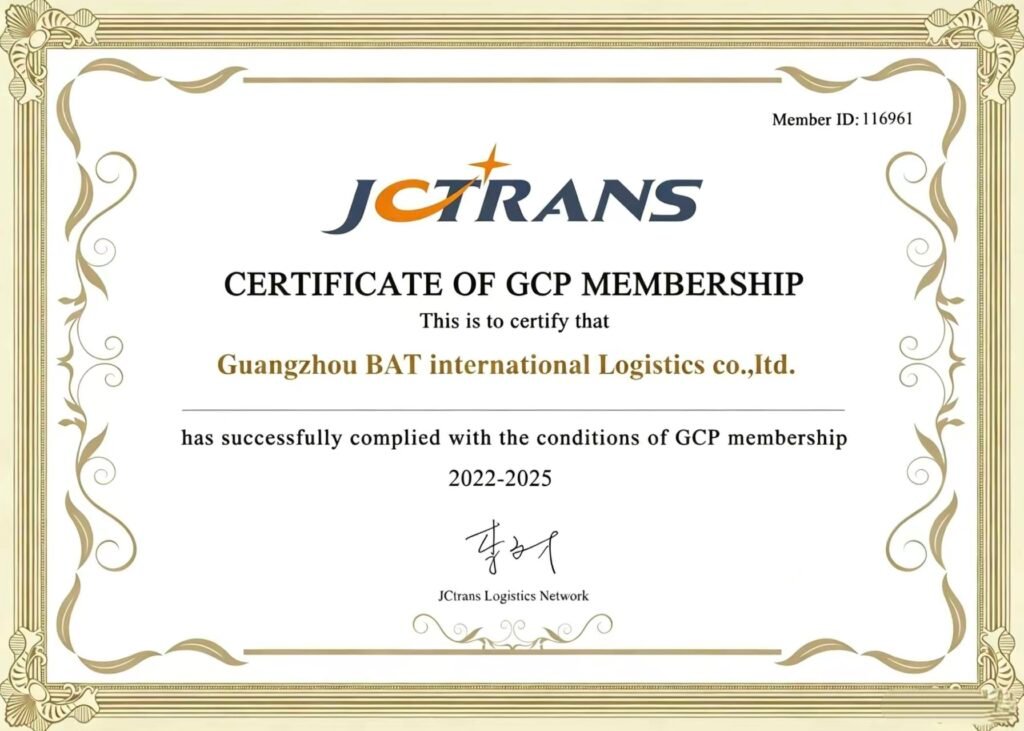
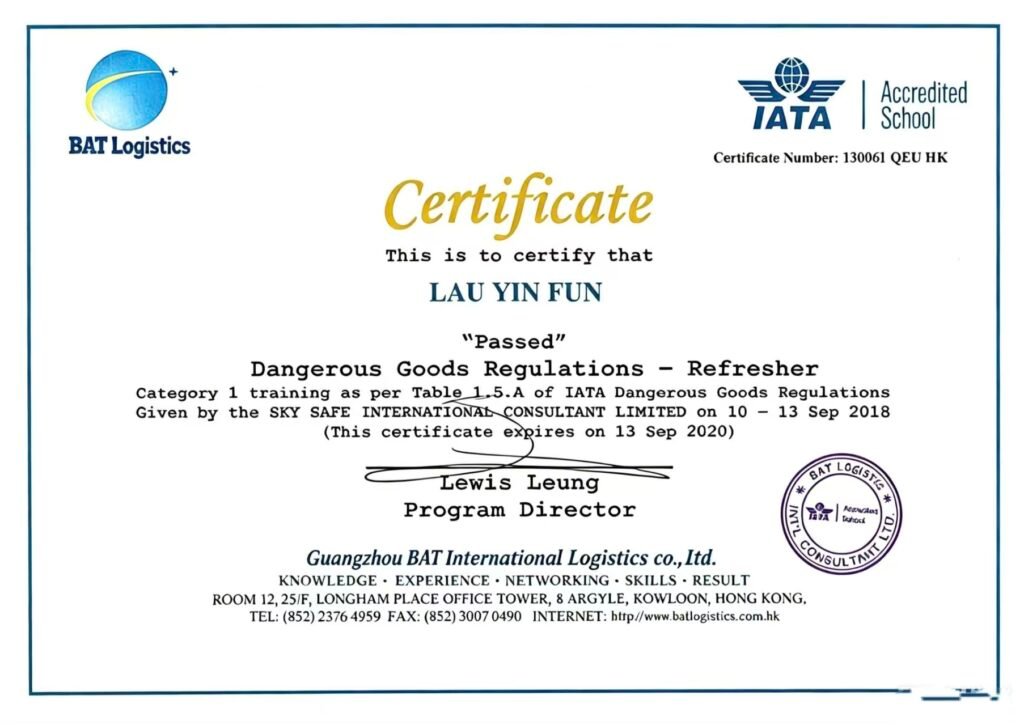
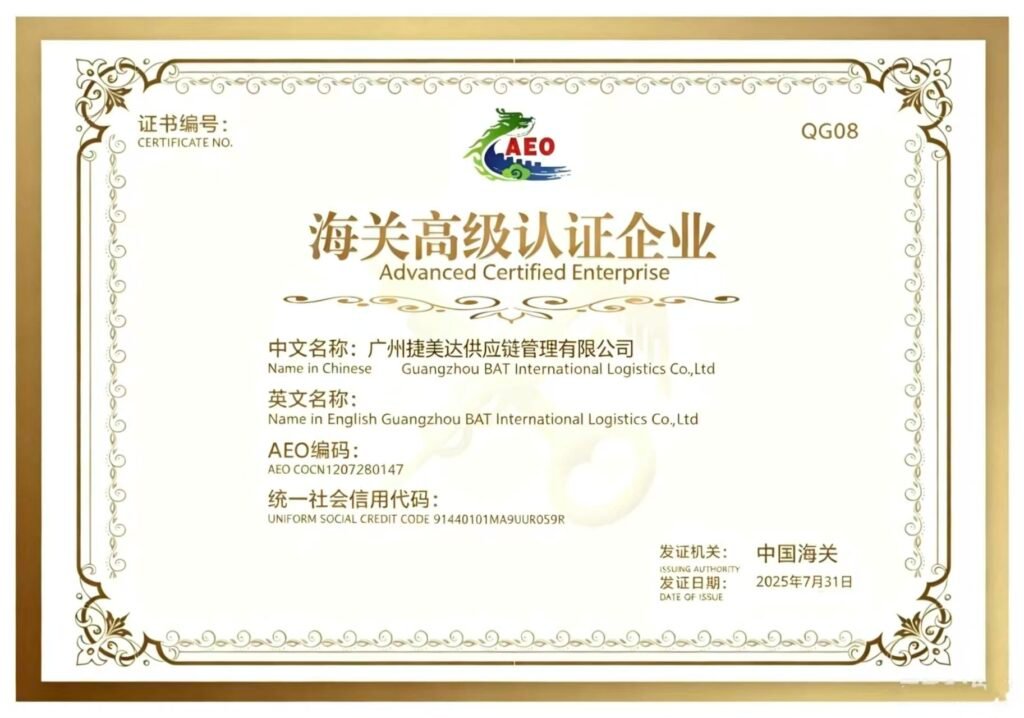
- 20+ years China-Indonesia DG expertise — China’s leading DG forwarder with 7,500+ successful Indonesian clearings, zero major incidents
- IATA DGR Category 6 certified — Full Class 9 lithium battery authorization (air/sea)
- Direct airline + shipping line partnerships — Garuda Indonesia Cargo, Singapore Airlines Cargo, Cathay, China Airlines, China Eastern + COSCO, ONE, Maersk, MSC, CMA CGM, Hapag-Lloyd, ZIM, PIL, Evergreen — guaranteed DG space allocation + direct Tanjung Priok berth
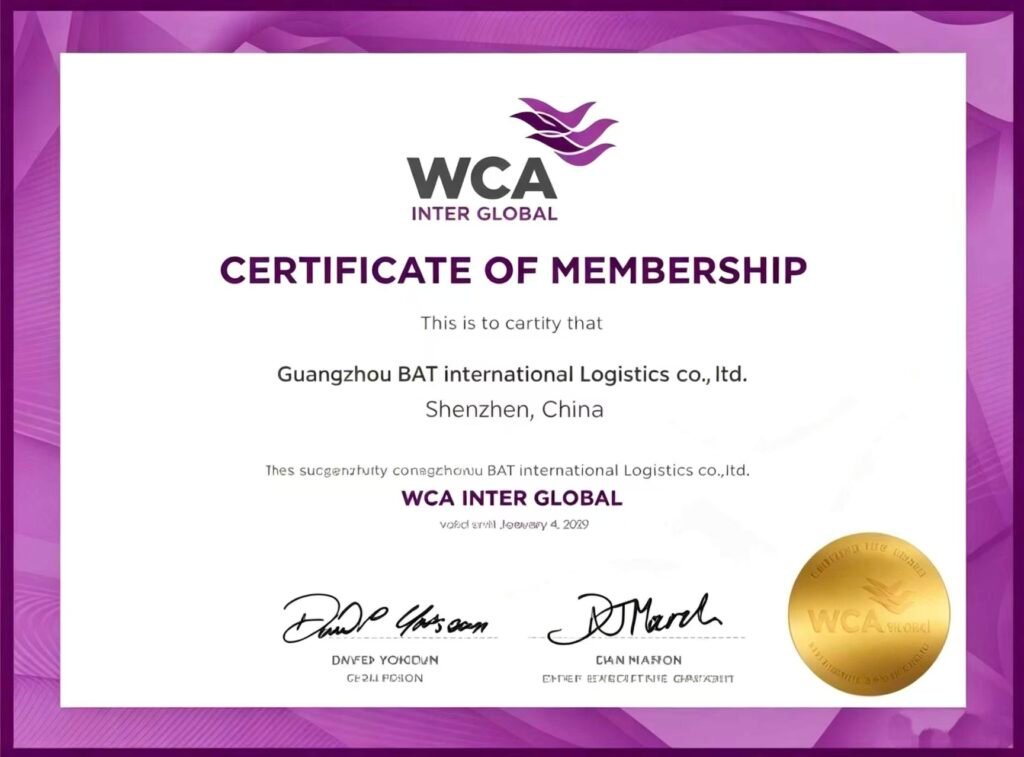
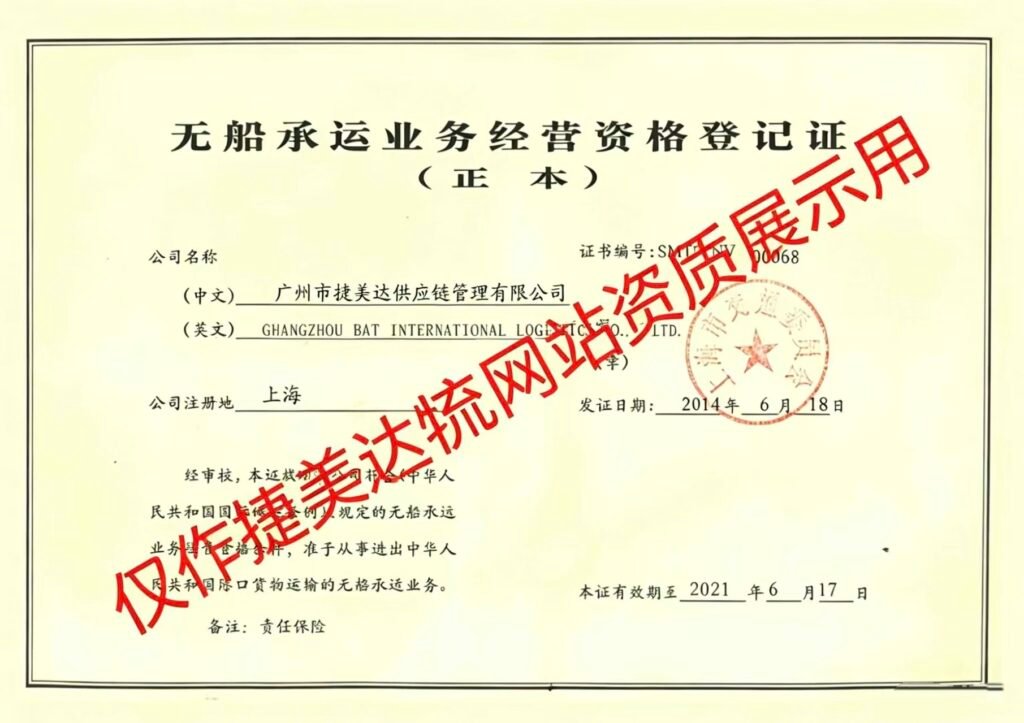
- OSS-registered + FIATA member — Priority customs clearance, reduced inspection rates
- ACFTA + RCEP + Form E + BPOM + SNI + SDPPI specialists — In-house Indonesia compliance team manages all 7 systems
- 24/7 tracking + JNE/SiCepat last-mile delivery — Single point of contact for every China-Indonesia shipment, with full inter-island distribution

Case Studies (5 Real-World Examples)
Case 1: HSR Steel & Machinery (Jakarta-Bandung High-Speed Rail)
Client: Chinese steel and machinery supplier to KCIC (PT Kereta Cepat Indonesia China) consortium
Challenge: Deliver 30,000+ tons of steel rails, switches, signaling equipment, and rolling stock components to HSR project sites (Jakarta-Bandung corridor)
Solution:
- BAT managed dedicated FCL 40HQ Yantian → Tanjung Priok (4-5 days)
- Implemented ACFTA Form E + PPJK pre-clearance for steel duty savings (0% vs 15% MFN)
- Coordinated trucking to Halim + Tegalluar stations (HSR project sites)
- Just-in-time delivery aligned with HSR construction phases
- LS Surveyor for steel quality verification
Results: 30,000+ tons delivered on schedule, 0 delays, 0 incidents, IDR 12 billion (~$750K) duty savings via Form E, HSR Jakarta-Bandung commercial operation launched October 2023.
Case 2: Nickel Smelting Equipment (Morowali + Weda Bay)
Client: Chinese nickel processing equipment manufacturer supplying Morowali Industrial Park + Weda Bay
Challenge: Deliver Class 9 lithium battery storage systems + heavy industrial equipment to remote Sulawesi + Halmahera sites (DG Class 9 + heavy lift)
Solution:
- BAT managed FCL 40HQ reefer Shanghai → Makassar + Bitung (8-12 days)
- Coordinated specialized heavy-lift trucking from Makassar to Morowali (4-hour drive)
- Class 9 DG compliance with IATA DGR 67th + IMDG 42-24
- Direct SDPPI approval for industrial control systems
- API-P (Producer Importer) for client (duty optimization)
Results: 50+ FCL/month for nickel park, 0 safety incidents, IDR 8 billion (~$500K) annual savings vs. spot freight.
Case 3: IKN Nusantara Construction Materials (New Capital)
Client: Chinese cement, steel, and glass manufacturer supplying IKN Nusantara construction projects
Challenge: Bulk construction materials to remote IKN sites (East Kalimantan), 1,000+ km from Jakarta
Solution:
- BAT managed FCL 40HQ Yantian → Balikpapan + Samarinda (East Kalimantan, 6-8 days)
- Coordinated trucking to IKN construction zones (3-4 hours)
- LS Surveyor for cement + steel quality verification
- ACFTA Form E for steel duty savings
- SNI certification for cement and steel (mandatory for construction)
Results: 100+ FCL/month sustained, 0 quality issues, IDR 6 billion (~$375K) annual savings via Form E + SNI pre-certification.
Case 4: B2C E-commerce DDP (Shopee/Tokopedia, 3PL fulfillment)
Client: Guangzhou-based e-commerce brand selling on Shopee, Tokopedia, TikTok Shop Indonesia
Challenge: B2C shipping with USD 3 de minimis compliance; fast 3-7 day delivery to Indonesian customers across 17,000 islands
Solution:
- BAT registered B2C LVG e-commerce platform with DJBC
- Established express DDP (3-5 day door-to-door)
- Implemented USD 3 de minimis for qualifying orders (auto-exemption via platform)
- Set up 3PL fulfillment centers in Jakarta (Tanjung Priok) + Surabaya + Medan
- Last-mile delivery via JNE / SiCepat / AnterAja / Ninja Xpress
Results: 50% B2C shipping cost reduction, 4.5-day average delivery to Indonesian customers, 100% de minimis compliance.
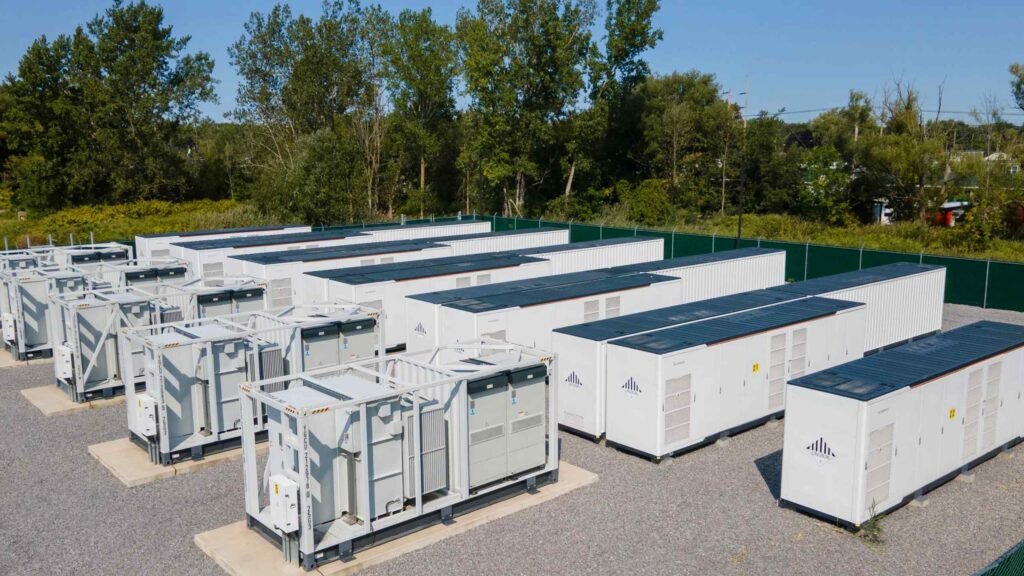
Case 5: Solar BESS Direct (UN3480, 25 FCL/month)
Client: Tier-1 Chinese BESS manufacturer supplying Indonesia’s island solar projects
Challenge: Scale Class 9 lithium battery shipments to 25 FCL/month while maintaining IMDG 42-24 + SoC compliance for Indonesia’s 23% renewable target
Solution:
- Migrated to sea FCL 40HQ reefer Yantian → Tanjung Priok (4-5 days, IMDG 42-24)
- Implemented dedicated SoC management at Shenzhen facility (3% → <0.1% rejected shipments)
- Established direct Tanjung Priok berth allocation with BAT’s top-volume Indonesia status
- Coordinated Form E + SDPPI for BESS
Results: 25+ FCL/month consistently, 0 customs violations, 0 safety incidents, IDR 9 billion (~$580K) annual savings vs. air freight.
Frequently Asked Questions
1. How long does it take to ship from China to Indonesia?
Sea freight: 4-7 days direct (port-to-port). Air: 1-2 days (airport-to-airport), 2-4 days (door-to-door). Express: 1-4 days. DDP: 7-15 days.
2. What is the import duty from China to Indonesia?
Indonesia has a 4-layer duty + tax: Bea Masuk (BM) (0-150% HS-specific) + PPh 22 2.5% + PPN 11% + PPnBM 0-95%. With valid Form E (ACFTA) or Form RCEP, BM can be reduced to 0% for qualifying products. Effective tax ~14-20% (vs. India 30-45%).
3. Do I need an NIB to import to Indonesia?
Yes — NIB (Business Identity Number) from OSS is mandatory for all commercial importers, along with NPWP (Tax ID) and API-U/API-P (Importer Identification). Apply via OSS online portal in 1-7 days. BAT can register NIB + NPWP + API-U + Customs Broker in 7-14 business days for first-time importers.
4. What is the PPN (VAT) rate in Indonesia in 2026?
11% standard PPN (raised from 10% on 2022-04-01, planned to increase to 12% in 2025+). For B2C goods ≤ USD 3 per parcel shipped via registered e-commerce platform (Shopee, Tokopedia, Lazada, TikTok Shop), import duty + PPN are exempt under Low-Value Shipment (LVS) relief.
5. What is the cheapest way to ship from China to Indonesia?
Sea LCL ($50-$130/CBM) for small volumes. Sea FCL for 15+ CBM. South China ports (Yantian, Shekou) → Tanjung Priok offer the most competitive rates (4-5 days). Tanjung Priok is Indonesia's #1 container port (7.5M TEU 2024).
6. Can I ship lithium batteries from China to Indonesia?
Yes. BAT is IATA DGR Category 6 certified. Sea: IMDG 42-24. Air: IATA DGR 67th (SoC ≤30% for CAO). Indonesia has strict lithium battery regulations with zero tolerance for undeclared batteries (fines up to IDR 500M).
7. Is there an FTA between China and Indonesia?
Yes — multiple FTAs:
- Form E (ACFTA - ASEAN-China FTA) in force since 2003, 90% of categories at 0%
- Form RCEP in force since 2022, most categories at 0%
- Both issued by Chinese CCPIT (5-7 business days)
8. What is the difference between Tanjung Priok, Tanjung Perak, and Belawan?
- Tanjung Priok (Jakarta) 7.5M TEU — Indonesia's #1, Java + West Indonesia gateway
- Tanjung Perak (Surabaya) 4.2M TEU — East Java, Bali, Sulawesi gateway
- Belawan (Medan) 1.5M TEU — Sumatra, Aceh, Riau gateway
9. What is the IKN Nusantara new capital and how to supply it?
IKN Nusantara is Indonesia's new capital in East Kalimantan (USD 35B megaproject, 2024-2045). Chinese suppliers can deliver construction materials via Balikpapan + Samarinda ports, with BAT's dedicated IKN cargo lane.
10. Can I use BAT as importer of record in Indonesia?
BAT acts as PPJK customs broker for Indonesian imports and can assist in setting up NIB + NPWP + API-U for your Indonesian IOR. For restricted goods, BAT coordinates with BPOM / SNI / SDPPI / BPJPH on your behalf.
11. How to clear customs in Indonesia?
File PIB (Pemberitahuan Impor Barang) via CEISA 4.0 through a licensed PPJK customs broker. BAT handles in 24-72 hours for compliant cargo. Pay Bea Masuk + PPh 22 2.5% + PPN 11% via bank transfer to DJBC.
12. How to claim Form E (ACFTA) or Form RCEP preferential tariff?
- Verify your HS code is in Form E or Form RCEP preferential schedule (BAT trade compliance team)
- Apply for Form E or Form RCEP at Chinese CCPIT (5-7 business days)
- Present Form to Indonesia Customs (DJBC) at PIB filing
- Achieve 0% Bea Masuk on qualifying products (most cases)
13. What is Halal certification and when is it mandatory?
Halal certification (BPJPH) is mandatory for food, drugs, cosmetics, and consumer goods (full mandatory by 2026). BAT's BPJPH coordinator manages the full certification process in 8-16 weeks for foreign products.
14. What is Pre-shipment inspection (LS Surveyor) and who does it?
LS Surveyor pre-shipment inspection is mandatory for 200+ product categories (electronics, toys, textiles, auto parts, food, etc.). Performed by SGS, Bureau Veritas, Intertek, Surveyor Indonesia, TÜV before shipment. Cost: 0.5-1% of CIF value.
References & Sources
- Direktorat Jenderal Bea dan Cukai (DJBC) — https://www.beacukai.go.id/
- Direktorat Jenderal Pajak (DJP) — https://www.pajak.go.id/
- Badan Pengawas Obat dan Makanan (BPOM) — https://www.pom.go.id/
- Badan Standardisasi Nasional (BSN) — https://www.bsn.go.id/
- Direktorat Jenderal SDPPI / Postel — https://www.komdigi.go.id/
- Online Single Submission (OSS) — https://www.oss.go.id/
- BPJPH (Halal Indonesia) — https://www.halal.go.id/
- IATA Dangerous Goods Regulations (67th Edition, 2026) — https://www.iata.org/dgr
- IMO IMDG Code Amendment 42-24 — https://www.imo.org
- Pelindo (Indonesia Port Corporation) — https://www.pelindo.co.id/
- Indonesia Airport Authority — https://www.indonesia-airport.com/
- ASEAN-China Free Trade Agreement (ACFTA) — https://www.acfta.org/
- RCEP Secretariat — https://www.rcepsecretariat.org/
- CEISA 4.0 (Indonesia National Single Window) — https://www.ceisa.go.id/
- Kementerian Perdagangan (Ministry of Trade) — https://www.kemendag.go.id/
- Portal Informasi Indonesia — https://www.indonesia.go.id/
Get a Free Quote
📧 Email: info@bat-logistics.com📞 Phone: +86-138-XXXX-XXXX (24/7)🌐 Website: https://bat-logistics.com
BAT Logistics — China’s leading dangerous goods freight forwarder. 20+ years of DG transport expertise. IATA DGR Category 6. Direct airline + shipping line partnerships. Guaranteed space allocation. Safe, compliant, on-time delivery to Indonesia since 2005.