
China origin / ocean freight planning
Lithium Battery Shipping by Sea from China
Plan FCL or eligible LCL ocean freight around the actual battery, packing, port pair, container requirement and documents you supply.
BAT Logistics reviews customer- or factory-supplied information and coordinates eligible operating parties. Final classification, packing, routing, acceptance, customs and delivery remain shipment-specific.
- FCL or eligible LCLChoose after cargo and route review.
- Port or door scopeDefine every handoff in the quote.
- Documents before bookingMatch the records to the packed cargo.
First decision
Choose the ocean plan by shipment facts.
Container scale alone does not decide the service. Packing, handling exposure, port acceptance and destination capability also matter.
FCL container plan
A dedicated container may suit regular, palletised or larger cargo. Send container type, pallet layout, total weight and loading photographs.
Eligible LCL plan
Smaller shipments may be assessed only where a suitable dangerous-goods consolidation service accepts the cargo and route.
Large packs and systems
EV packs, modules and BESS-related cargo need early review of unit weight, dimensions, centre of gravity, lifting points and securing plan.
Port-to-port or door
Define China pickup/export work, ocean carriage, destination handling, import arrangements and final delivery separately.
Quote-ready checklist
Send facts that operating parties can review.
A product name or approximate weight alone is not enough to confirm a route or a meaningful price.
- 01Product and modelManufacturer, product use, battery model and physical configuration.
- 02Chemistry and ratingChemistry, voltage, capacity, Wh/kWh and batteries per item/package.
- 03ConditionNew, used, prototype, damaged, defective, recalled, return or end-of-life.
- 04Quantity and packingUnits, cartons, pallets, inner/outer packing and clear photographs.
- 05Weight and dimensionsPer item/package/pallet plus total gross weight and volume.
- 06Origin and destinationPickup location, origin port if known, destination port, city and postcode.
- 07Commercial scopeIncoterm, importer/consignee and requested port or door work.
- 08Timing and documentsCargo-ready date plus available specification, UN38.3 and MSDS/SDS.
Service decision ledger
Compare ocean service scopes before requesting space.
No service name, carrier, transit time or price applies automatically to every battery shipment.
FCL
Dedicated container with fewer consolidation handoffs.
Best assessed with the complete loading plan, container size, weight and port pair.LCL
Shared consolidation for smaller eligible cargo.
Requires an accepting warehouse, consolidation service, carrier and destination route.Port-to-port
Main carriage between agreed ports.
Buyer or consignee manages the inland and import work outside the quotation.Door coordination
Adds agreed origin or destination handoffs.
Full addresses, importer arrangement and delivery-site constraints must be disclosed.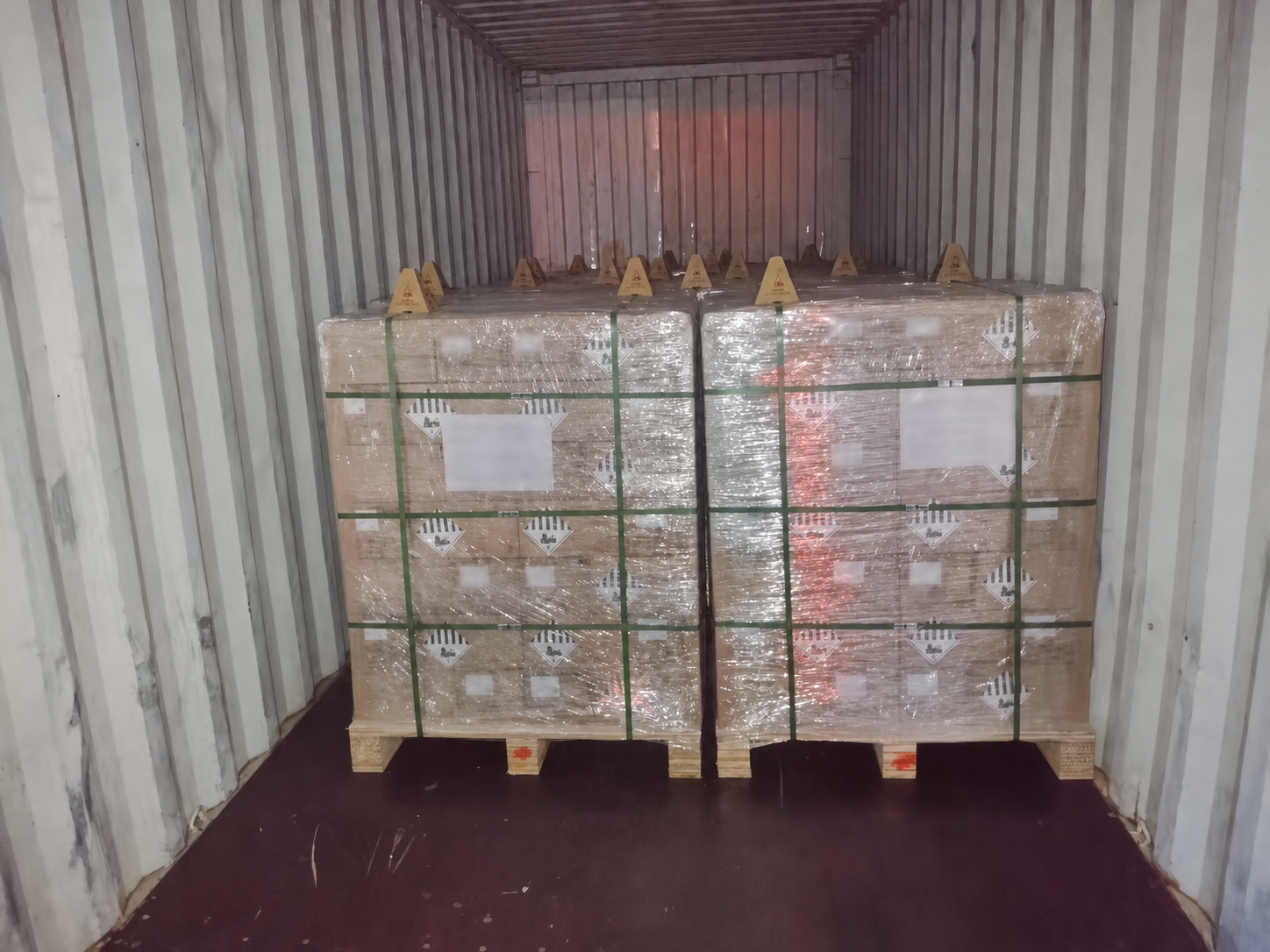
FCL exception handling / Hamburg → Yantian
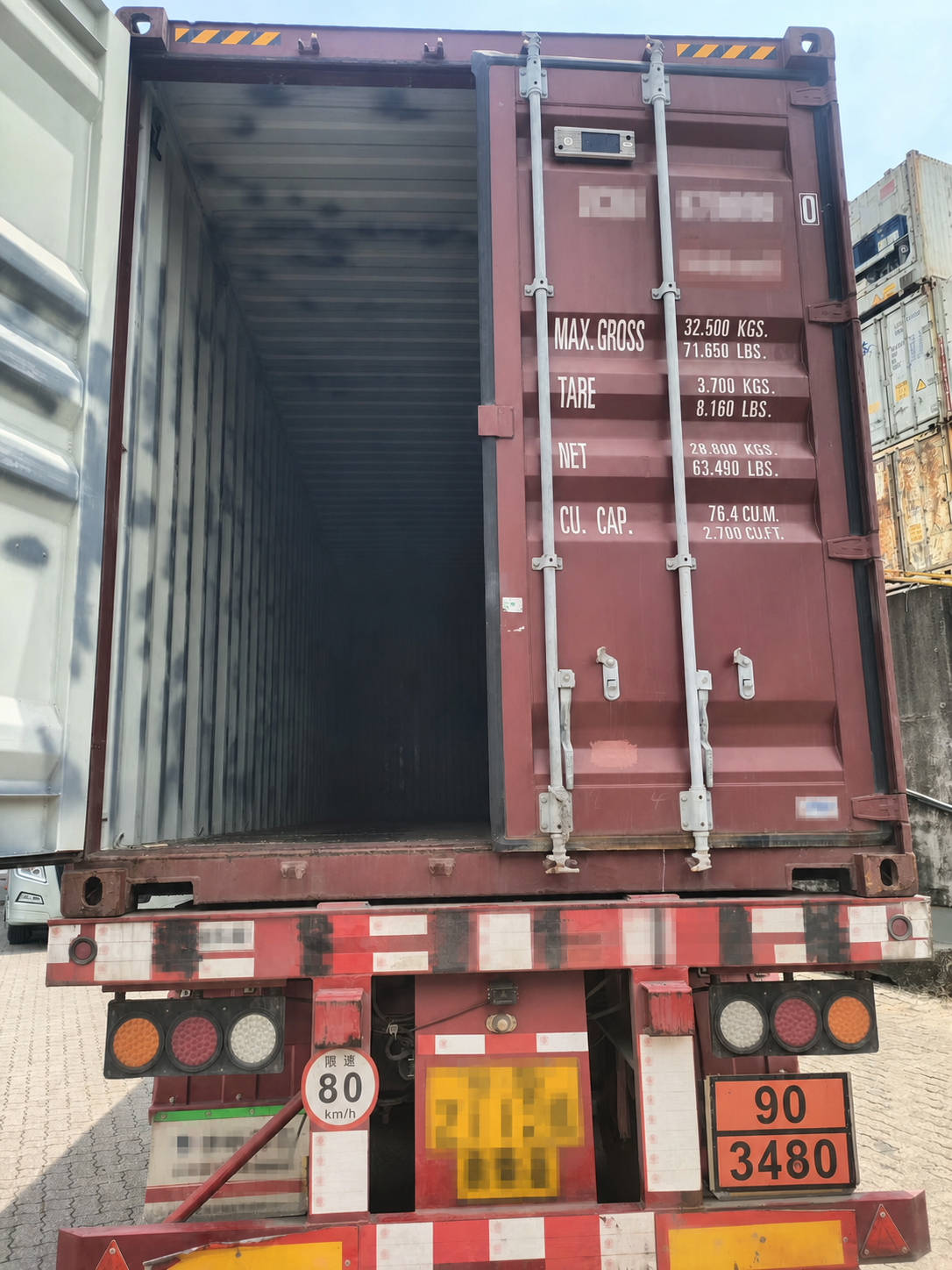
Five 40HQ containers returned after a destination disruption.
A China factory had planned a recurring flow of approximately 15 × 40HQ per month carrying palletised consumer lithium-ion batteries from Shenzhen Yantian to Hamburg. When the destination consignee entered insolvency restructuring and could not receive part of the flow, the factory requested a return movement.
Destination-side coordination
Working from the factory’s return instruction, BAT Logistics coordinated with the relevant destination operating parties to arrange the return leg from Hamburg to Shenzhen Yantian.
Completed scope
All five 40HQ containers in the approved return scope were returned to Shenzhen Yantian and the handover process was completed.
Sea-freight planning lesson
Importer and consignee responsibility, cargo ownership records, destination authority, return instructions and the scope of port and carrier coordination should be defined as early as the actual situation allows.
This is one completed return project. Future return movements depend on cargo condition, documents, carrier space, customs, port, insolvency and destination-party conditions.
Before booking
Check the model, records and packing as one shipment.
The product description, battery model, supplied reports and physical packing should tell the same story.
BAT service boundary: BAT Logistics reviews information supplied by the customer or factory and coordinates relevant freight parties. We do not issue UN38.3, MSDS/SDS, test reports, certificates, permits or licences, and we do not guarantee carrier, customs or authority acceptance.
- Product specificationMatch manufacturer, model, chemistry, rating, configuration and intended use to the physical cargo.
- UN38.3 test summaryWhere applicable, use the customer- or factory-supplied record for the actual battery model.
- MSDS/SDSSupply the current record for the actual product and chemistry.
- Packing data and photographsShow inner protection, outer package, cartons, pallets, dimensions and visible marks where applicable.
- Shipment and commercial recordsInvoice/packing data, route, parties and further operating records requested for the chosen service.
Six operating checks
Turn the enquiry into a defined transport scope.
Shipment facts
Product, model, packing, route, timing and supplied documents.
Information consistency
Compare description, specification, reports, package data and photographs.
Transport options
Review possible modes, routes, operators, equipment and handoffs.
Quotation scope
State included origin, main-carriage, customs and destination work.
Booking and parties
Connect supplier, warehouse, operator and destination parties.
Milestones
Follow the agreed operating milestones through the included scope.
Common review gaps
Resolve ocean-booking gaps before the cut-off.
Frequently asked questions
Practical answers before you request a quote.
Can lithium batteries be shipped from China by sea?
Many battery shipments can be assessed for ocean freight, but acceptance depends on the actual cargo, condition, packing, documents, port pair, carrier and destination.
Should I use FCL or LCL?
FCL may suit larger or regular cargo. LCL may suit smaller eligible shipments only when a suitable consolidation service accepts the cargo and route.
What details are needed for an FCL quote?
Send battery model and rating, condition, quantity, pallet plan, total weight and dimensions, photographs, container preference, pickup point, port pair, Incoterm and ready date.
Can BAT issue UN38.3 or MSDS/SDS?
No. BAT reviews customer- or factory-supplied information for freight planning and coordinates the relevant operating parties.
Can you arrange port-to-port and door delivery?
Both can be assessed. The quotation must define origin work, main carriage, destination handling, import responsibility and final delivery.
Is a sea-freight booking guaranteed after quotation?
No. Space and dangerous-goods acceptance remain subject to the actual cargo, documents, packing, carrier, vessel, ports and schedule.
How is the sea-freight price calculated?
It depends on the cargo, FCL/LCL option, equipment, origin, port pair, handling, main carriage, destination scope and current acceptance conditions.
Start with the actual shipment
Request a shipment-specific transport plan.
Send the model, rating, condition, quantity, packing, weight, dimensions, origin, destination, Incoterm, cargo-ready date and available documents. We will review the information before discussing a route, scope and quotation.
Final routing, dangerous-goods acceptance, packing conditions, space, customs and delivery remain subject to the actual shipment and relevant operating parties.