
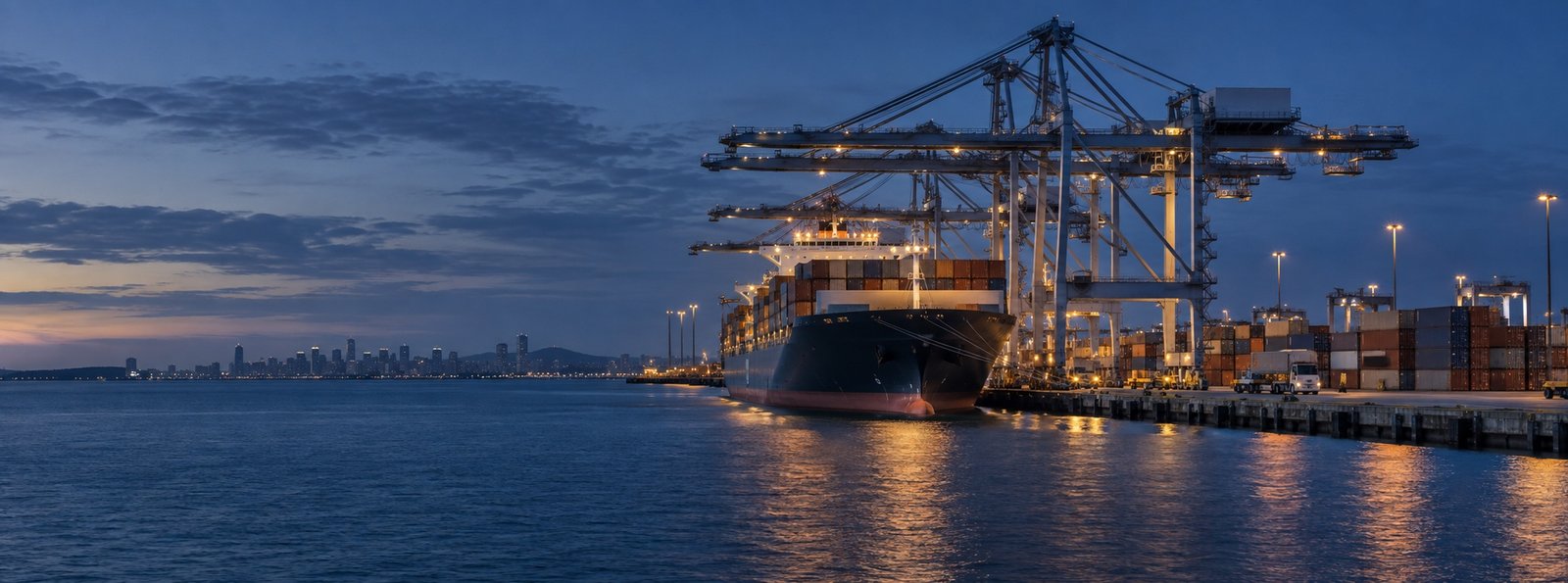
Shipping from China to Australia
Plan the cargo, accepted transport mode, Australian import handoff and final delivery as one chain. Compare sea, air, express and door-delivery options—with specialist review for lithium batteries and battery-powered products.
Start with the Australian receiving point—not a generic freight rate.
Australia’s distance, coastal gateways and border controls make the final postcode part of the route decision. A useful plan connects the China pickup, accepted main carriage, importer and licensed customs-broker arrangement, biosecurity inputs and delivery site.
Choose the mode by shipment size, urgency, gateway and operator acceptance.
Container freight for larger or heavier cargo
FCL can suit commercial cargo when the equipment, packing, weight distribution and loading responsibility are established. Compare the China loading point, direct or transshipment service, Australian terminal, free time and inland delivery.
Establish: equipment, loading plan, restraint, cut-off, port pair, terminal, release, delivery and empty return.
Consolidated sea freight for eligible smaller lots
LCL may suit cargo that does not require a full container, but consolidation compatibility and destination charges must be checked before booking. Standalone batteries cannot be assumed acceptable in every consolidation.
Establish: packages, dimensions, stackability, classification, origin warehouse, deconsolidation facility and collection plan.
Air freight through an accepted Australian gateway
Air freight may suit eligible urgent or high-value cargo. Sydney, Melbourne, Brisbane and Perth are useful comparison points, but the airline, flight, handler, border-services capability and battery configuration determine the workable route.
Establish: chargeable weight, dimensions, screening, dangerous-goods status, route, handler, customs and road delivery.
Courier for smaller eligible parcels and samples
Express may work for permitted small shipments. A standard parcel tariff does not prove acceptance for standalone batteries, damaged products, prototypes or high-capacity battery-powered equipment.
Establish: exact contents, configuration, package limits, importer details, postcode and current courier restrictions.
Define where international carriage ends and Australian delivery begins.
Door delivery should state China pickup, export handling, main carriage, importer and broker responsibilities, border release and delivery to the named place. A DDP label alone does not create a compliant importer or settle classification, tax, biosecurity and restricted-goods questions.
Define: Incoterm, importer, licensed broker, tax owner, release point, postcode, appointment, unloading and exclusions.
Name the Australian gateway, declaration location and delivery postcode.
China origin and departure
Shenzhen, Guangzhou and nearby suppliers: define pickup, consolidation, export gateway and cargo-ready status.
Shanghai, Ningbo and surrounding production regions: compare the accepted sea or air service with the required delivery window.
Qingdao, Tianjin and nearby origins: confirm the actual port or airport, equipment and domestic pickup leg.
Australia arrival and handoff
Melbourne and Sydney/Port Botany are major container comparison points for Victoria, New South Wales and connected inland markets.
Brisbane can be assessed for Queensland cargo using the current service, terminal, border process and final postcode.
Fremantle and Adelaide may reduce inland distance for Western or South Australian deliveries when the booked service and total scope fit.
The nearest-looking gateway is not automatically the best route. Name the current sailing or flight, first point of entry, bonded location, declaration party, biosecurity path and final delivery leg.
Separate the importer, declaration, tax, origin and biosecurity decisions.
Australian Border Force states that import declarations are made by the importer or a licensed customs broker acting on the importer’s behalf. The importer remains responsible for accurate goods, value, classification and transport information.
Name the owner and licensed broker arrangement.
Confirm the Australian importer, Australian Business Number where relevant, declaration party, broker authority, delivery address and payment setup before dispatch. BAT coordinates shipment information and named logistics parties; it does not act as an Australian customs broker.
Build the entry from accurate transaction records.
Classification, customs value, transport and insurance inputs, applicable duty, GST and other charges depend on the actual transaction and goods. A freight quotation is not a customs assessment.
Check BICON and non-commodity conditions before loading.
Product conditions, container cleanliness, timber or bamboo packaging, dunnage and packing declarations can affect release. The applicable BICON case and current Department of Agriculture requirements must be checked for the actual goods and packaging.
Preferential treatment requires product-specific proof.
ChAFTA does not make every Chinese shipment automatically duty-free. Eligibility depends on tariff classification, origin rules and acceptable origin documentation reviewed for the specific goods.
Sources: Australian Border Force import declarations, GST and other import taxes, Department of Agriculture import conditions and DFAT ChAFTA guide. Accessed 13 September 2026. This page is route-planning information, not customs or tax advice.
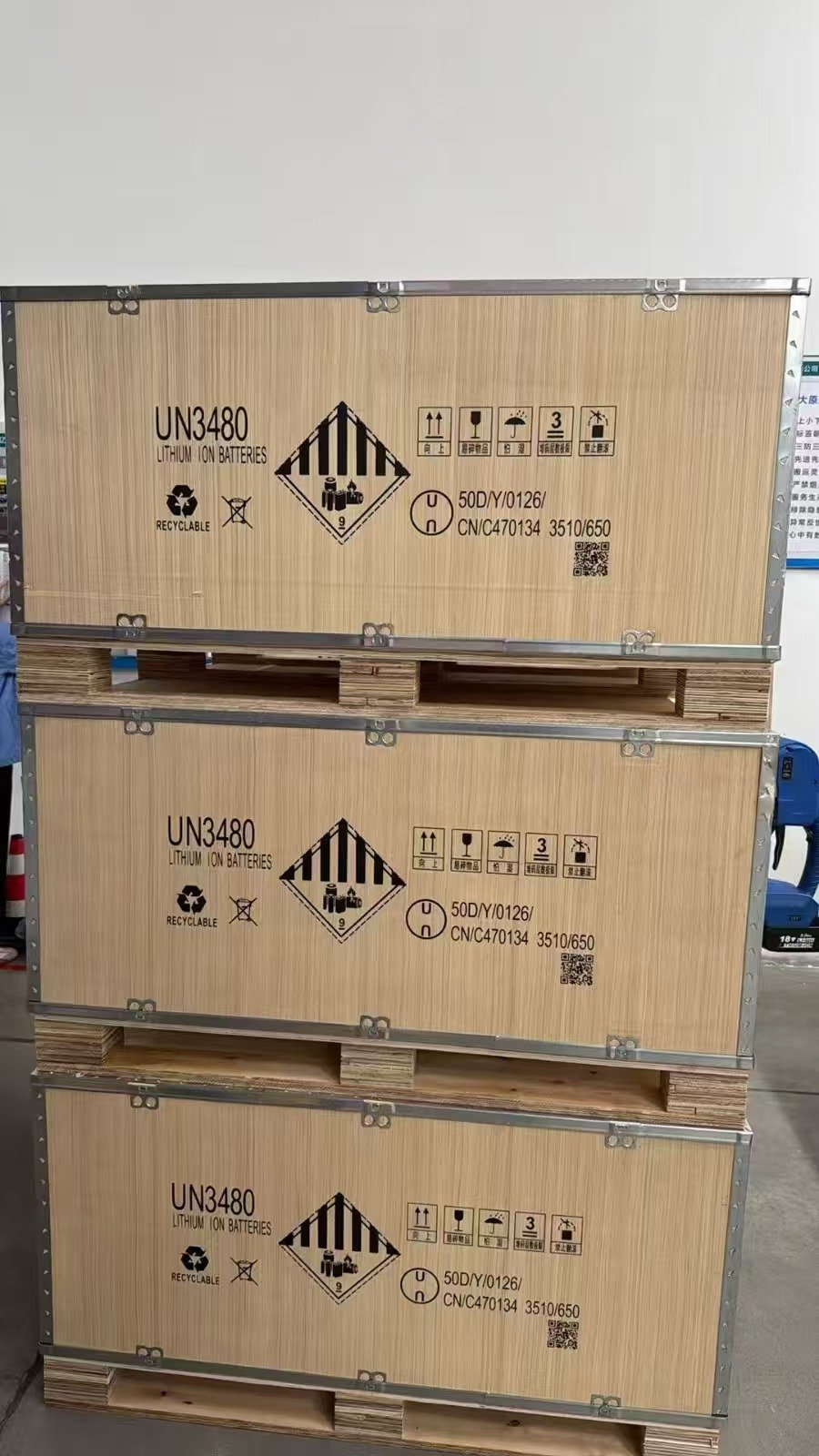
Establish the battery configuration before requesting acceptance.
State whether the shipment contains standalone cells or batteries, batteries packed with equipment, or batteries contained in equipment. Supply chemistry, watt-hours or lithium content, UN number where known, condition, quantity, dimensions and packing photographs.
Air and sea requirements are not interchangeable. The applicable aviation or maritime dangerous-goods framework, operator variations and transfer-point rules must be checked against the actual configuration.
Containerized storage projects have additional equipment and handoff questions; see the dedicated Australia BESS shipping guide.
Supplied UN38.3 test-summary information, SDS/MSDS where relevant, cargo and packing details, missing inputs and communication with suppliers, warehouses, operators and named Australian parties.
Testing and document issuance remain with qualified providers. BAT does not create UN38.3 or SDS/MSDS, grant product approval, determine Australian customs treatment, or guarantee operator acceptance.
Current Australian references: CASA dangerous-goods guidance and AMSA Marine Order 41. Check the applicable rules and operator variations at booking.
Separate readiness, main carriage, border release and final delivery.
Document review, packing changes, China pickup, booking and cut-offs determine the actual departure date.
Current sailing or flight, space, transfer points, weather and operator controls determine the transport plan.
Terminal handling, declaration, tax payment, biosecurity intervention, collection, appointment and unloading are separate steps.
No fixed rate, landed-cost calculator or guaranteed transit time is published. Request a dated quotation for the actual cargo and named scope, with validity, assumptions and exclusions.
Read the quotation in six parts.
Prepare the inputs and name the responsible party.
| Information | What to establish | Responsible input |
|---|---|---|
| Commercial invoice & packing list | Buyer/seller, accurate description, value, packages, weight and dimensions. | Supplier/exporter; importer and licensed broker review. |
| Transport record | Bill of lading, sea waybill or air waybill plus the booked gateway and handoff. | Carrier and authorised issuing parties. |
| Importer and declaration | Importer identity, broker authority, declaration location, classification, customs value and payment setup. | Importer and appointed Australian licensed customs broker. |
| Origin and preference | Accurate origin, HS code, ChAFTA eligibility and accepted proof where preference is claimed. | Importer, supplier and authorised or qualified parties. |
| Biosecurity file | Applicable BICON conditions, container cleanliness, packaging materials, packing declaration and treatment evidence where required. | Importer, packing party, treatment provider and appointed biosecurity parties. |
| Battery transport file | Configuration, specification, supplied test summary, SDS/MSDS where relevant and packing details. | Manufacturer/document issuer; each operator confirms acceptance. |
| Delivery instructions | Final postcode, appointment, site access, unloading, waiting and excluded services. | Importer and receiving site. |
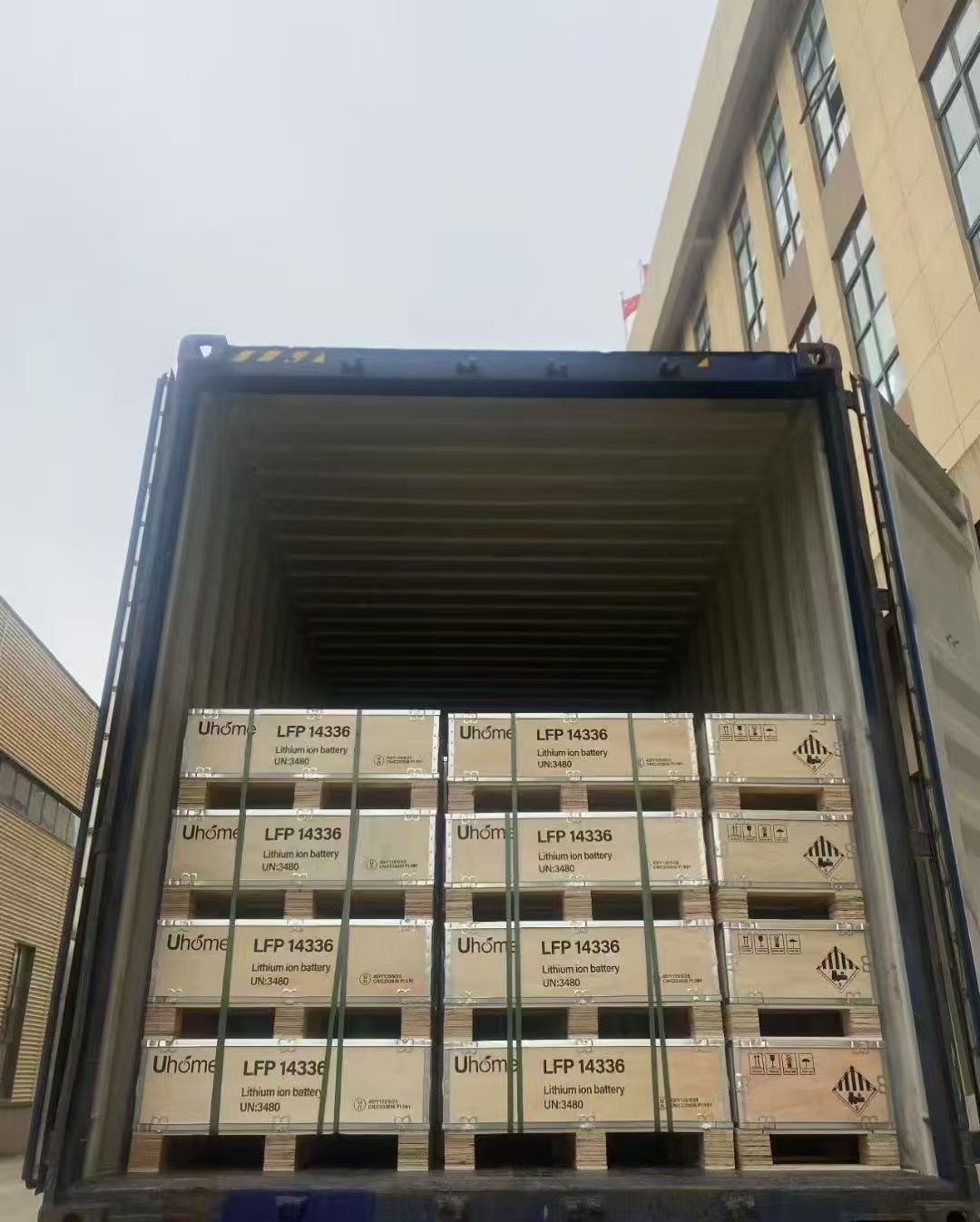
Connect the packing record to the container and Australian release plan.
Clean equipment and traceable packaging decisions start before the doors close.
The Department of Agriculture says container interiors and exteriors must be free from biosecurity risk material. Timber or bamboo packaging and dunnage must follow the applicable BICON conditions, treatment rules and declaration requirements.
Provide package count, dimensions, distributed weight, stackability, photographs, packaging materials, restraint method and seal record. BAT can coordinate supplied information with the China warehouse, operator and named Australian parties; each party retains its own legal and operational responsibilities.
Reference: DAFF cargo-container biosecurity procedures and timber and bamboo packaging guidance.
Move from cargo facts to a named Australian delivery.
Describe
Send product, battery configuration, packing, quantity, weight, dimensions and photographs.
Define
Name the China pickup, Australian postcode, Incoterm, importer, broker and delivery scope.
Check
Review missing documents, operator acceptance, gateway, biosecurity and customs-handoff questions.
Quote
Compare a dated scope with assumptions, validity, included items and exclusions.
Questions before you book.
Which Australian port should be used?
There is no universal answer. Compare Melbourne, Sydney/Port Botany, Brisbane, Fremantle, Adelaide or another workable gateway using the current sailing, terminal, biosecurity plan, final postcode and total inland scope.
Which Australian airport should be compared?
Sydney, Melbourne, Brisbane and Perth are useful international comparison points. The airline, handler, cargo acceptance, border-services capability and delivery address determine the workable gateway.
Who lodges the Australian import declaration?
Australian Border Force states that the importer or a licensed customs broker acting on the importer’s behalf may lodge the declaration. Confirm the owner, broker authority and required information before dispatch.
What biosecurity information should be checked before loading?
Check the applicable BICON conditions for the goods and non-commodity items. Container cleanliness, timber or bamboo packaging, dunnage, packing declarations and treatment records may affect release.
Does ChAFTA make imports from China duty-free?
Not automatically. Preferential treatment depends on tariff classification, originating status and acceptable supporting documentation. The importer and qualified customs professional should confirm the claim.
Can lithium batteries move by sea, air or courier?
Potentially, but do not assume acceptance. Provide the battery configuration, specification, condition, packing and available records. Every operator and transfer point may apply different restrictions.
Does BAT issue UN38.3 or SDS/MSDS documents?
No. BAT reviews information supplied for routing and coordinates missing-input questions. Testing and document issuance remain with the manufacturer or qualified provider.
Can BAT guarantee customs or biosecurity clearance?
No. The importer, declaration data, classification, value, origin, product controls, packaging and government assessment determine the outcome. BAT can coordinate the logistics handoff with named parties.
Can a fixed online calculator predict the final cost?
No generic calculator can determine the complete amount without the cargo, mode, customs value, duty and GST treatment, terminal or handler fees, possible biosecurity work and final-delivery scope. Request a current quotation.
What information is needed for a useful quote?
Provide the China pickup city, Australian delivery postcode, product and battery details, packing, quantity, weight, dimensions, ready date, Incoterm, importer and broker arrangement, plus available documents.
Sources used for the Australia-specific guidance.
Rules and operator policies change. These official sources were accessed on 13 September 2026 and should be checked again at booking.
Get a route plan for your shipment.
Send the China pickup city, cargo and battery details, packing, weight, dimensions, ready date, Incoterm and final Australian postcode.
Include the importer, broker and available records if known. BAT will review missing inputs before discussing the mode, gateway, border handoff and delivery scope.