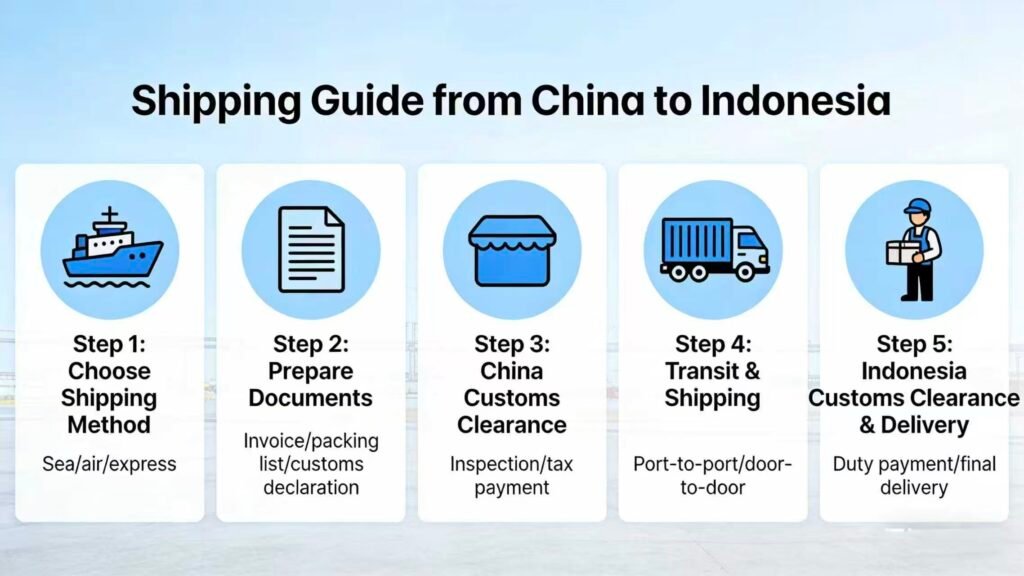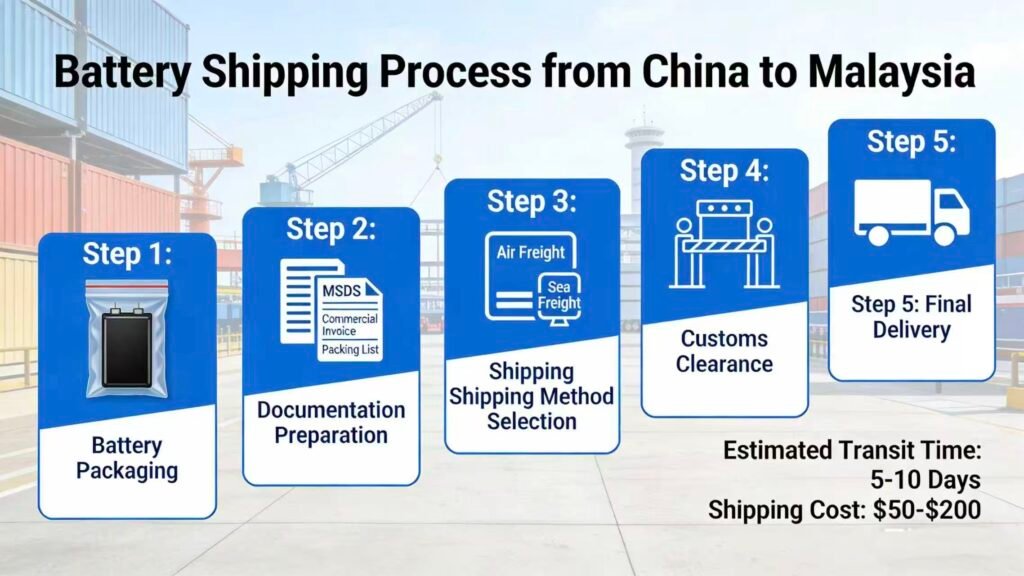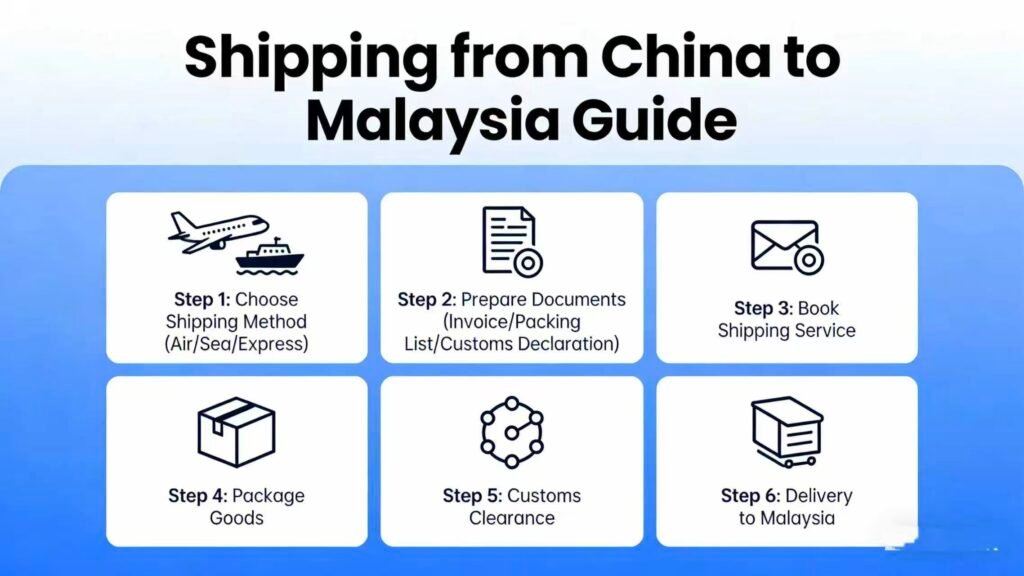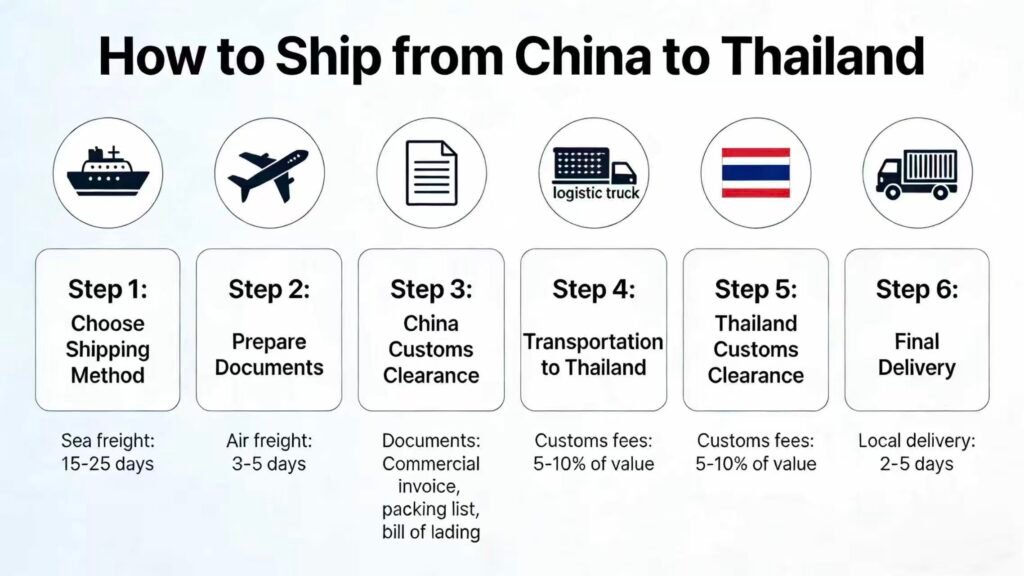
Customs Clearance
Customs clearance refers to the compliance procedures and documentation that must be completed with customs authorities and relevant government departments when goods enter or exit a country. After the documents are reviewed and approved and applicable duties and taxes are paid, the goods are permitted to be imported or exported.
The core purpose of customs clearance is to ensure that the goods comply with the laws and regulations of both the exporting and importing countries. In international trade, it is a critical process that directly affects the arrival time, release time after arrival, and overall logistics costs of the shipment.
Refer to the customs clearance status of other routes
1. Shipping from China to Japan
2. Shipping from China to South Korea
What is customs clearance?
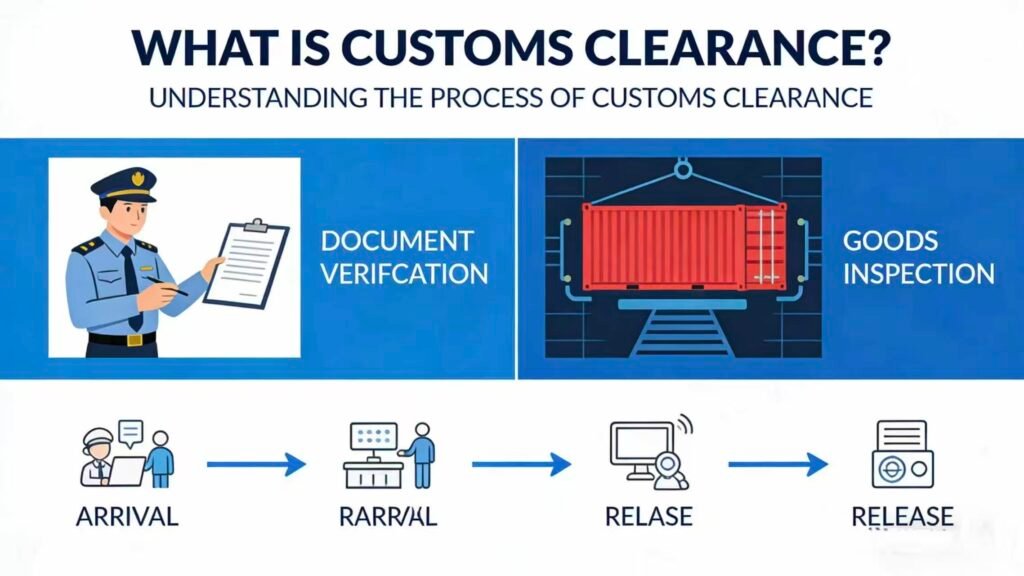
Customs clearance is the official process that allows goods to enter or leave a country legally, ensuring compliance with import/export regulations. It involves submitting required documentation, paying applicable duties and taxes, and meeting safety and legal standards before cargo moves across borders. Key documents include commercial invoices, packing lists, bills of lading or air waybills, certificates of origin, and product-specific certifications (e.g., UN38.3 for battery shipments, CE, or FDA approvals).
Customs clearance applies to all international shipping methods, including sea, air, rail, and road freight, and is essential for door-to-door shipping, port-to-port deliveries, and e-commerce logistics like Amazon FBA. Authorities review paperwork, classify products using HS codes, and may inspect cargo to verify compliance. Mistakes in documentation, HS codes, or regulations can result in delays, fines, or additional fees.
Partnering with an experienced freight forwarder ensures smooth cross-border shipments. They manage export and import clearance, coordinate with customs authorities, and handle last-mile delivery, reducing risk and ensuring timely arrival. Proper customs clearance is critical for shipments from China to the US, Europe, or Southeast Asia, enabling legal, efficient, and predictable international logistics for businesses of all sizes.
Customs clearance process
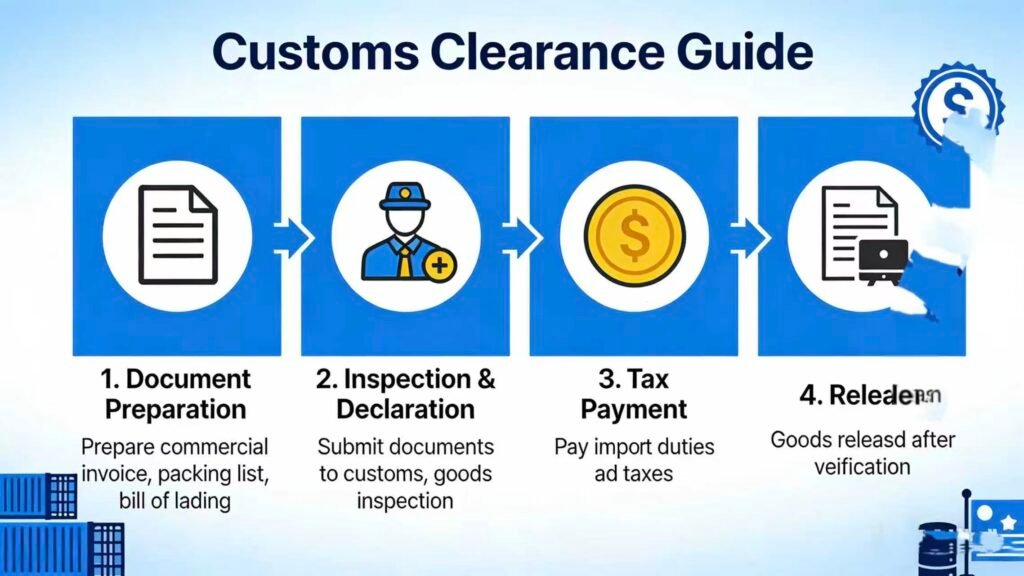
The basic framework of the customs clearance process is: document submission → customs declaration → customs document review → cargo inspection → payment of duties and taxes → release. The procedures for **export and import customs clearance are generally similar.
—
I. Customs Clearance Process
Step 1: Preparation of Required Documents
• Commercial Invoice
• Packing List
• Customs Declaration Form
• Bill of Lading (B/L) or Air Waybill (AWB)
Step 2: Customs Declaration
The freight forwarder or customs broker submits the relevant documents to the customs authority of the exporting or importing country.
The declared information must be **truthful and accurate**, with particular attention to:
• HS Code
• Declared value
• Quantity and specifications of the goods
Step 3: Customs Review and Cargo Inspection
1. Document Review (Mandatory Step)
Customs authorities first verify whether the declared information matches the submitted documents, including:
• Whether the HS code classification is correct
• Whether import/export licenses or permits are required
• Whether the declared value is reasonable
2. Cargo Inspection (Random or Targeted)
Based on the cargo type and declaration details, customs may decide whether to conduct a physical inspection.
• Sensitive goods or shipments with abnormal declarations have a higher inspection rate.
• Inspection purpose: to verify whether the actual goods (description, quantity, specifications) match the declaration and to check for prohibited items (such as infringing goods or dangerous goods).
3. Handling of Review / Inspection Results
No issues: Proceed directly to the next step (tax payment or release).
Discrepancies or abnormalities:Customs may require document correction, re-declaration, impose fines, temporarily detain the goods, or, in serious cases, confiscate the cargo.
Step 4: Payment of Duties and Taxes
( 1) Import Customs Clearance (Mandatory)
Customs calculates duties and taxes based on the declared value and HS code tariff rates, mainly including customs duty and VAT (some goods may also be subject to consumption tax):
Customs duty = Dutiable value (as determined by customs) × Duty rate
VAT= (Dutiable value + Customs duty + Consumption tax) × VAT rate
Example VAT rates: China 13%, EU around 20%
Payment methods include electronic payment or bank transfer. Customs confirms receipt once payment is completed.
(2) Export Customs Clearance (Usually Tax-Exempt)
Most countries exempt export goods from customs duties.
In rare cases, a small export tax may apply.
Step 5: Release and Subsequent Operations — Cargo Can Be Collected or Loaded
1. After customs confirms compliance and tax payment (for imports), a **Customs Release Notice** is issued.
2. Upon receiving the release notice, the carrier (shipping line or airline) allows:
Import: The cargo owner or freight forwarder is to collect the goods and arrange warehousing or onward transportation (some goods must pass inspection/quarantine before sale).
Export:The goods to be loaded and shipped, after which foreign exchange settlement and export tax rebate procedures may be handled.
—
Important Notes:
To ensure smooth customs clearance, avoid document errors, false declarations, or missing special certificates.
General cargo clearance usually takes 1–3 working days.
Sensitive goods or inspected shipments may take 5–7 working days or longer.
Documents required for customs clearance
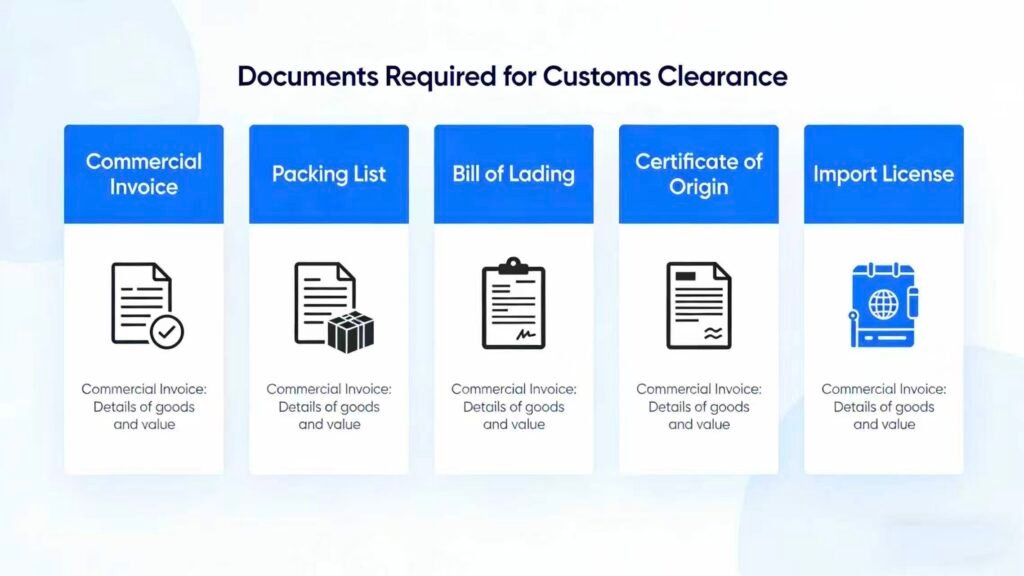
Customs clearance requires a set of essential documents to verify, classify, and authorize goods for import or export. Accurate documentation ensures smooth international shipping and prevents delays, fines, or additional fees. Key documents include:
Commercial Invoice – Details the seller, buyer, product description, quantity, unit value, total value, and payment terms. It serves as the primary document for customs valuation.
Packing List – Specifies the contents of each package, dimensions, weight, and packaging type, helping customs inspect and verify cargo.
Bill of Lading (B/L) or Air Waybill (AWB) – The transport document issued by the carrier that proves shipment and ownership; used for sea or air freight, respectively.
Certificate of Origin – Confirms the manufacturing country of the goods, often required for preferential tariffs or trade agreements.
Import/Export Declarations – Official forms submitted to customs, including product classification using HS codes and calculated duties and taxes.
Special Certifications – Required for regulated goods, e.g., UN38.3 for batteries, CE for EU goods, FDA approvals for the US.
Insurance Certificate – Shows that cargo is insured against loss or damage during transit.
Additional documents may be required depending on the product type, destination country, and Incoterms used. Partnering with a professional freight forwarder ensures all documents are accurate and complete, facilitating timely door-to-door customs clearance for shipments from China or other global origins.
Import customs clearance VS export customs clearance
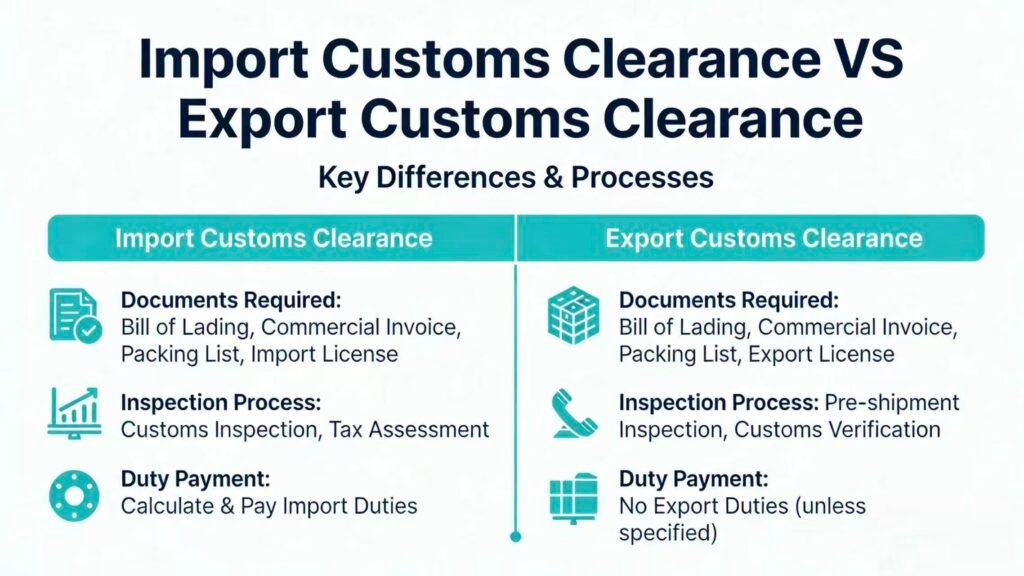
The differences between **import customs clearance and export customs clearance mainly stem from the direction of cargo flow (import vs. export) and whether regulatory authorities focus on tax collection or release with tax rebate. The specific differences are concentrated in tax treatment, document requirements, key process stages, inspection focus, and post-clearance procedures.
I. Tax Treatment: One Is “Mandatory Payment,” the Other Is Tax-Exempt + Tax Rebate
Import Customs Clearance
Taxes and duties are a mandatory prerequisite for release. Customs first calculates the payable taxes:
Customs duty = Dutiable value × Duty rate
VAT= (Dutiable value + Customs duty) × VAT rate
Only after the importer pays all taxes in full will customs issue the release notice. Underpayment or non-payment will result in cargo detention.
Export Customs Clearance
There is little to no tax payment pressure at the export stage. The core focus is export tax rebate.
After export clearance is completed, enterprises apply to the tax authority for a refund of VAT paid during the production or procurement stages, based on documents such as:
♦ Customs Declaration Form
♦ Foreign Exchange Settlement Certificate
♦Commercial Invoice
Export tax rebates are an important profit source for exporters. Incomplete documents or incorrect declarations may lead to rebate failure or denial.
II. Key Process Stages: Imports Emphasize “Delivery Order + Tax Payment, Exports Emphasize “Tax Rebate Application.”
Import Customs Clearance Steps
1. Delivery Order (D/O) Exchange:
After the cargo arrives at the port or airport, the consignee must use the Bill of Lading (B/L) provided by the freight forwarder to exchange it with the shipping line or airline for a Delivery Order (D/O) before customs clearance can proceed.
(The B/L serves as a document of title and is used to confirm the consignee’s legal right to the goods.)
2. Tax Payment:
Once customs completes tax assessment, full payment is mandatory, with no exemption except for officially tax-exempt goods.
Export Customs Clearance Steps
Export Tax Rebate Application:
After the goods leave the country, exporters must submit clearance documents to the tax authority within the prescribed time limit(e.g., within 90 days from the export date in China) to apply for export tax rebates.
How long does customs clearance take?
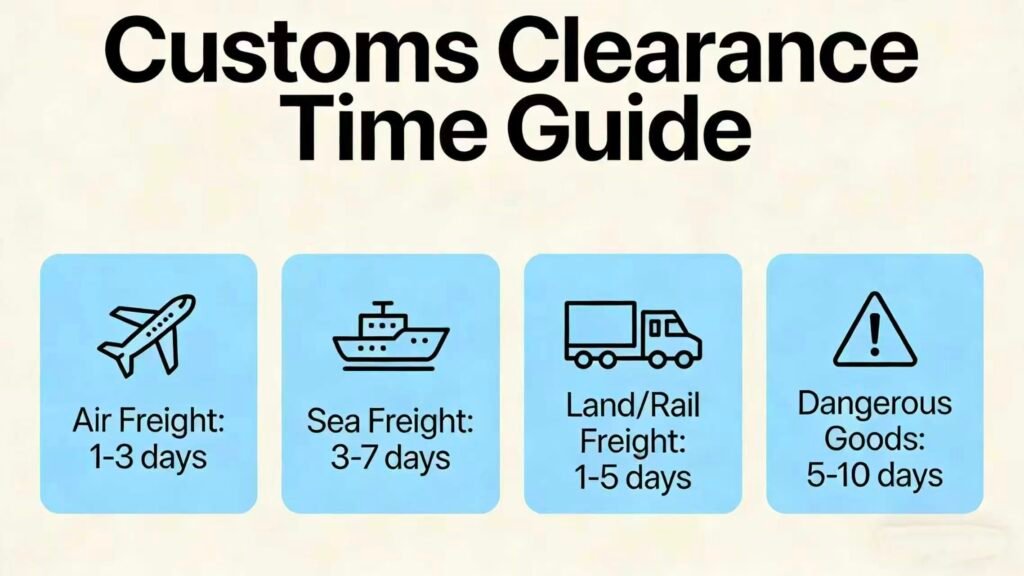
Customs clearance time varies based on shipment type, destination country, documentation accuracy, and product specifics. Standard cross-border shipments from China typically clear within 1–7 days, but specialized goods like batteries may require additional inspections.
Air Freight: Clearance is fastest, usually 1–3 days, thanks to smaller shipment size and pre-alert electronic documentation from carriers like DHL, FedEx, or UPS.
Sea Freight: Ocean shipments generally take 3–7 days post-arrival, with LCL (less-than-container load) often slower than FCL (full container load) due to cargo consolidation.
Road & Rail Freight: Clearance ranges from 1–5 days depending on border procedures, with dedicated rail corridors like China-Europe Express offering more predictable timelines.
Special or Regulated Goods: Batteries, chemicals, or pharmaceuticals may extend clearance to 5–10 days due to required certifications (e.g., UN38.3 for batteryshipment) and inspections.
Key factors affecting speed include accurate documentation, correct HS codes, timely duty/tax payment, random inspections, peak shipping seasons, and selected Incoterms (DDP often expedites clearance compared to DAP).
Partnering with an experienced freight forwarder ensures all customs clearance documents are complete and compliant, leveraging relationships with authorities to minimize delays. For door-to-door shipping from China to the U.S., Europe, or Southeast Asia, professional handling can reduce total clearance time, allowing goods to reach the consignee efficiently while avoiding costly bottlenecks.
Common customs clearance problems and how to avoid them?
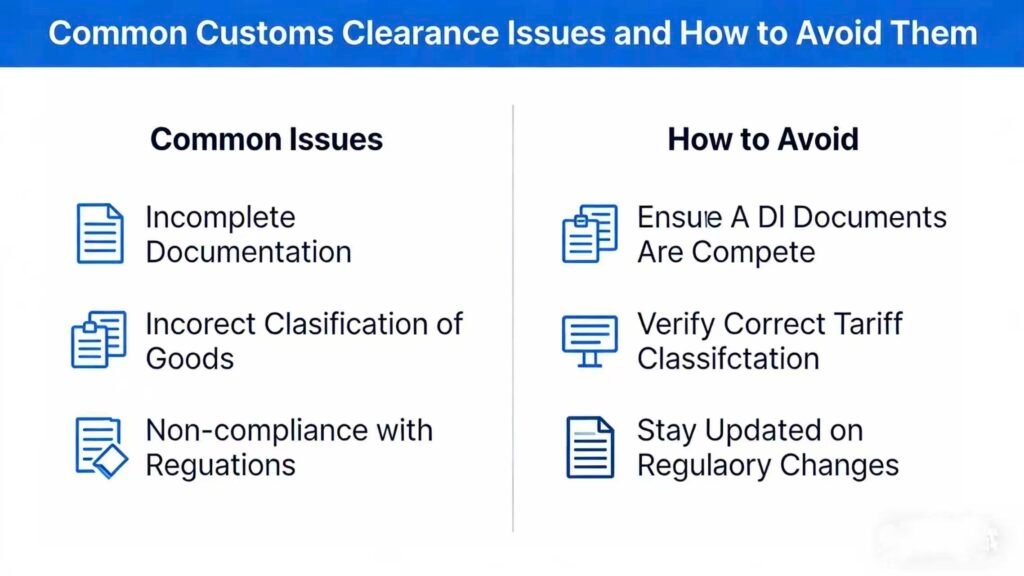
During customs clearance, the most common problems mainly fall into six categories:
documentation errors, cargo inspection, tax disputes, port congestion delays, missing compliance certificates, and blocked tax rebates.
The core solution logic is always: identify the root cause → correct the issue with targeted documentation → implement preventive measures to avoid recurrence.
Below are practical, real-world solutions for each issue:
—
I. Documentation Errors & Inconsistent Information (≈60% of clearance issues)
Common Problems
Key information mismatch: Product name, quantity, specifications, declared value, or HS code do not match across the commercial invoice, packing list, bill of lading, and customs declaration
(e.g., invoice states “plastic cup,” declaration states “drinking cup,” resulting in different HS codes).
Missing documents: Failure to provide essential certificates such as the Certificate of Origin or inspection/quarantine certificates.
Incorrect entries: Errors in declared value (under-declaration or over-declaration), wrong HS code, or incorrect country of origin.
Solutions
1. Immediately ask the customs broker to confirm the exact error item with customs (e.g., HS code mismatch vs. quantity discrepancy).
2. Correct and resubmit documents as quickly as possible.
3. If amendment fees or port demurrage have already been incurred, pay promptly to prevent cost escalation.
Preventive Measures
1. Dual verification system: Before submission, documents should be cross-checked by both the operations team and the customs broker, focusing on four key elements:
*product name, quantity, HS code, and declared value.
2. Pre-verify HS codes in advance.
3. Use standardized document templates to reduce human error.
—
II. Cargo Detention Due to Customs Inspection
Core Causes
1. Routine random inspection.
2. Abnormal triggers: Declared value significantly lower than market price, questionable HS classification, or vague descriptions (e.g., “general goods,” “accessories”).
3. Actual discrepancies: Goods differ from the declaration
(e.g., declared as “ordinary apparel” but actually branded counterfeit goods; declared 100 units, but the actual quantity is 120).
4. Prohibited or restricted items mixed in: Dangerous goods, infringing products, or solid waste concealed in the shipment.
Solutions
1. Routine inspection + declaration matches actual goods: Cooperate fully and wait for release.
2. Minor discrepancies: Submit an explanation letter with supporting evidence and accept any applicable customs penalties.
3. Suspected undervaluation:
Provide transaction records, supplier cost invoices, and market price screenshots to justify the declared value.
If customs does not accept the explanation, comply with the customs-assessed dutiable value and pay the additional taxes.
—
III. Tax Assessment Disputes
Core Causes
1. HS code classification disputes.
2. Dutiable value disputes.
3. Failure to apply preferential tariff treatment.’
Solutions
1. Ask the customs broker to request a formal tax assessment explanation from customs.
2. Submit a targeted appeal with supporting documentation based on the disputed item.
—
IV. Port Congestion / Demurrage Delays
Core Causes
1. Incomplete or incorrect documents causing declaration delays.
2. Prolonged inspections (e.g., sensitive goods requiring laboratory testing).
3. Taxes and duties not paid in time.
4. Special goods lacking required compliance certificates obtained in advance.
—
This structured approach significantly reduces clearance risks, shortens release time, and helps control unexpected costs during international trade operations.
Door to door customs clearance service
Door-to-door customs clearance service is a full-service international logistics solution that manages shipments from the seller’s warehouse to the buyer’s doorstep while handling all customs procedures. The service includes export customs clearance, international transport via sea, air, rail, or road freight, import customs clearance with duties and taxes, and final-mile delivery.
Operating under different Incoterms, such as DDP (Delivered Duty Paid), DDU (Delivered Duty Unpaid), and DAP (Delivered At Place), this service ensures clarity in responsibility for taxes and duties. By partnering with an experienced freight forwarder, businesses reduce risks of delays, fines, or misdeclared HS codes—critical for specialized cargo, including shipments of batteries.
BAT Logistics provides expert handling for regulated goods, offering a one-stop solution that saves time, lowers administrative workload, and provides real-time visibility of the shipment. This service is ideal for e-commerce, Amazon FBA replenishments, and SMEs looking for reliable door-to-door customs clearance.
With professional documentation preparation, customs compliance, and seamless coordination across all transportation modes, this service ensures smooth China to US customs clearance and other global trade routes. It simplifies cross-border logistics, allowing businesses to focus on growth while shipments reach their destination efficiently and legally.
Customs Clearance Service provided by BAT
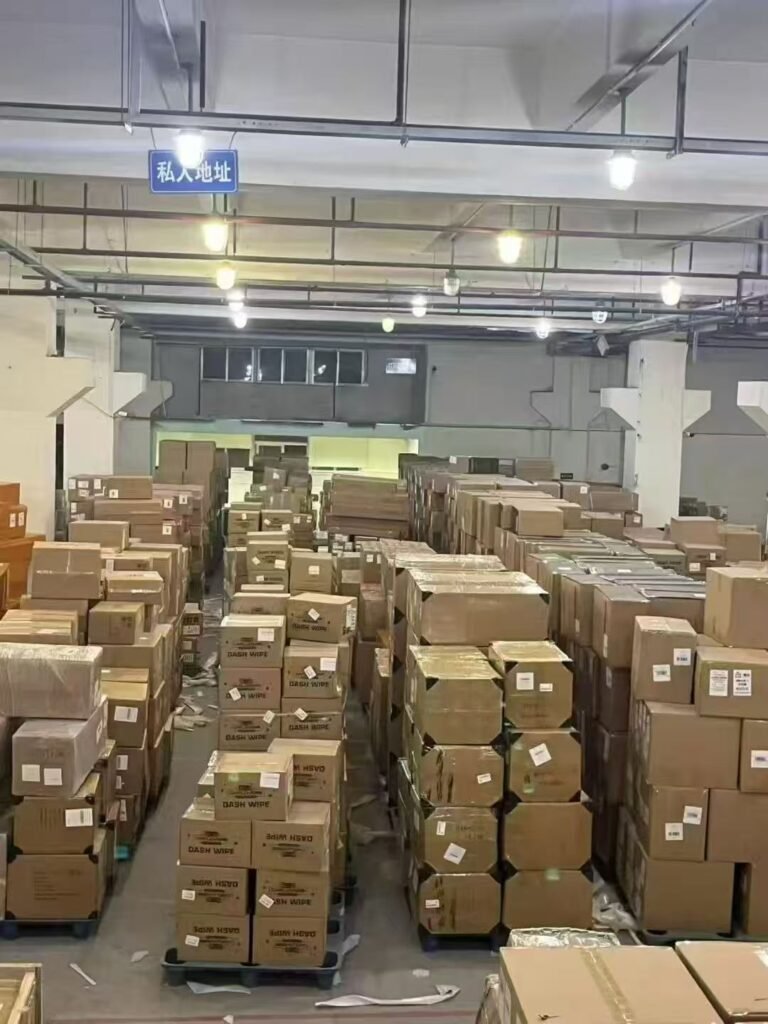
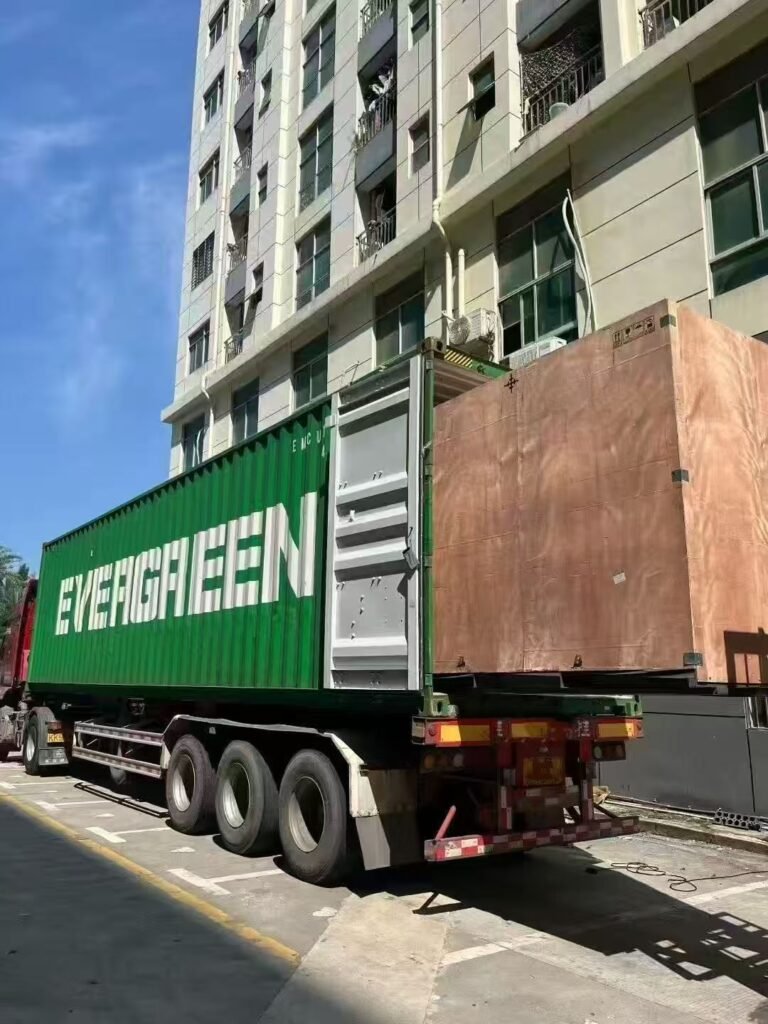
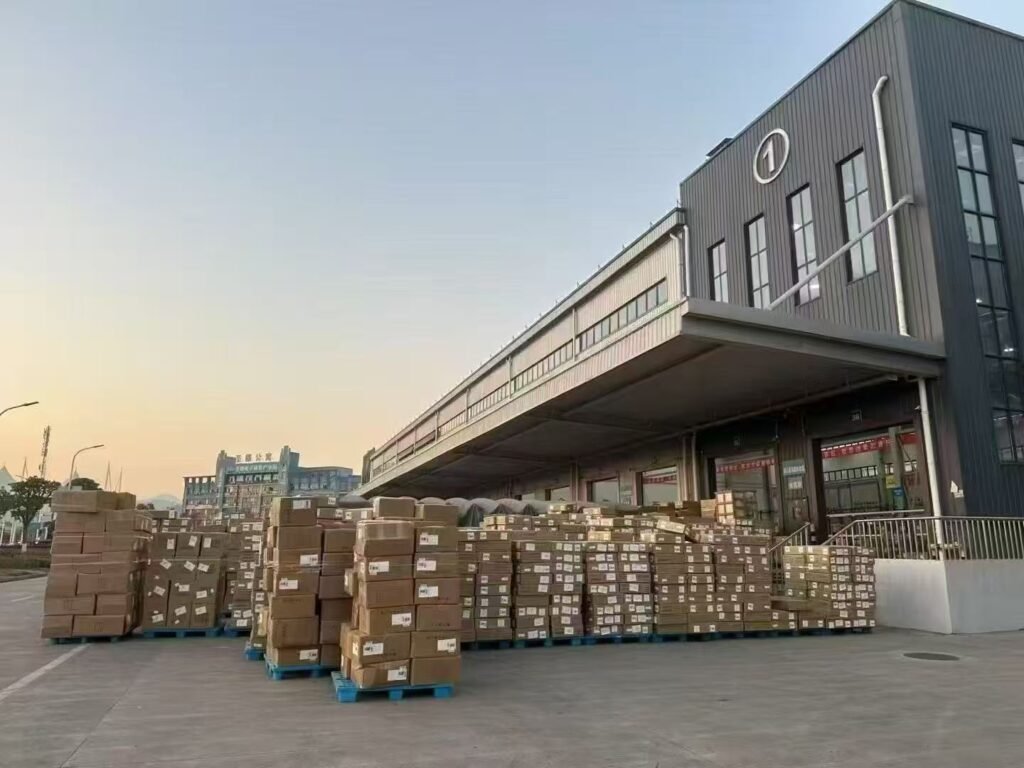
I. Professional Qualifications & Compliance
1. We hold AEO Advanced Certification, ensuring a high level of customs compliance and credibility.
2. Our professional customs compliance team is well-versed in regulatory requirements such as EU CE marking, U.S. FDA regulations, and Middle East GCC certification.
3. We are highly skilled in accurate HS code classification, effectively avoiding excessive duties or inspection risks caused by misclassification.
—
II. End-to-End Service Capabilities
1. Full coverage of the entire clearance chain:
Document pre-review → customs declaration → inspection handling → duty & tax payment → release → logistics delivery.
2. Two-way import and export customs clearance services, with tailored solutions for different trade models, including general trade, cross-border e-commerce, and bonded logistics.
3. Dedicated handling capabilities for special cargo, ensuring compliance with specific regulatory and operational requirements.
—
III. Service Advantages & Differentiation
1. Time efficiency guarantee**: Exceeding industry standards, with 2–3 days clearance time for general cargo, supported by pre-review and electronic declarations.
2. Rapid inspection response: Within 24 hours, supported by a dedicated customs team that can arrive at the inspection site within 15 minutes.
3. Exception handling cycle: Issues are typically resolved within 3–7 days.
—
Core Value
Your customs clearance is empowered by a four-dimensional advantage—Professionalism, Efficiency, Risk Control, and Cost Optimization—delivering tangible value to clients.
Frequently Asked Questions
Yes, regulated or hazardous goods (e.g., batteries, chemicals) require extra documents, inspections, or certifications.
Costs vary by shipment value, duties, taxes, and service fees; typically $50–$500+ for standard parcels.
Yes, but it’s complex; using a freight forwarder is faster and reduces errors, especially for international shipments.
Responsibility depends on Incoterms: DDP – seller; DAP/DDU – buyer; EXW – buyer (with forwarder assistance optional).
Yes, pre-clearance or advance filing is possible for air, sea, and express shipments to expedite delivery.