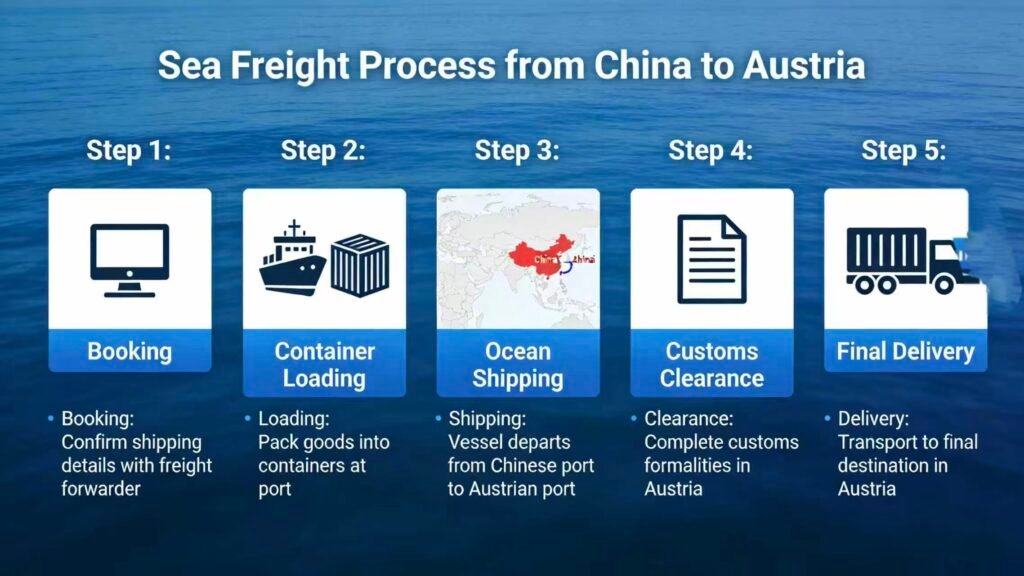
Sea freight is the most economical way to ship large volumes from China to Austria in 2026. At BAT, we arrange ocean transport, customs clearance, and inland delivery to major cities such as Vienna, Linz, and Graz.
As a landlocked country, Austria relies on nearby gateway ports. In real operations, most containers enter Europe through Austria’s main ports for ocean trade, including Hamburg (Germany), Koper (Slovenia), and Trieste (Italy), and then move to Austria by rail or truck.
For most shipments, the total door-to-door transit time is around 25–35 days, depending on the port route and rail availability.
FCL shipping from China to Austria
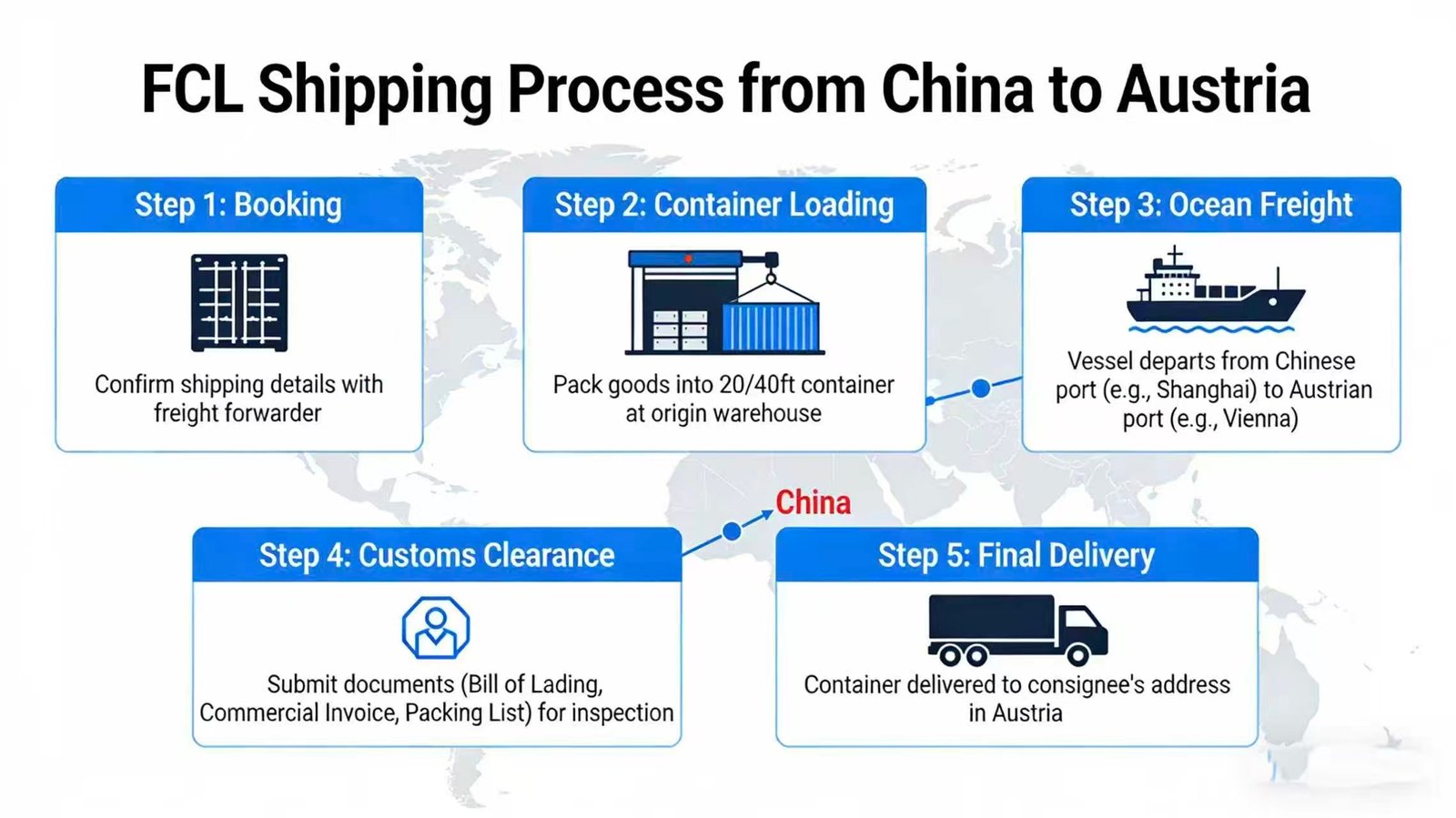 FCL shipping is suitable when you have enough cargo to fill a container.
– Dedicated container for your goods
– Lower risk of delays or damage
– Stable routes via Hamburg or North Adriatic ports
– Average transit time: 25–32 days
BAT usually recommends FCL for machinery, industrial goods, and long-term supply contracts.
LCL shipping from China to Austria
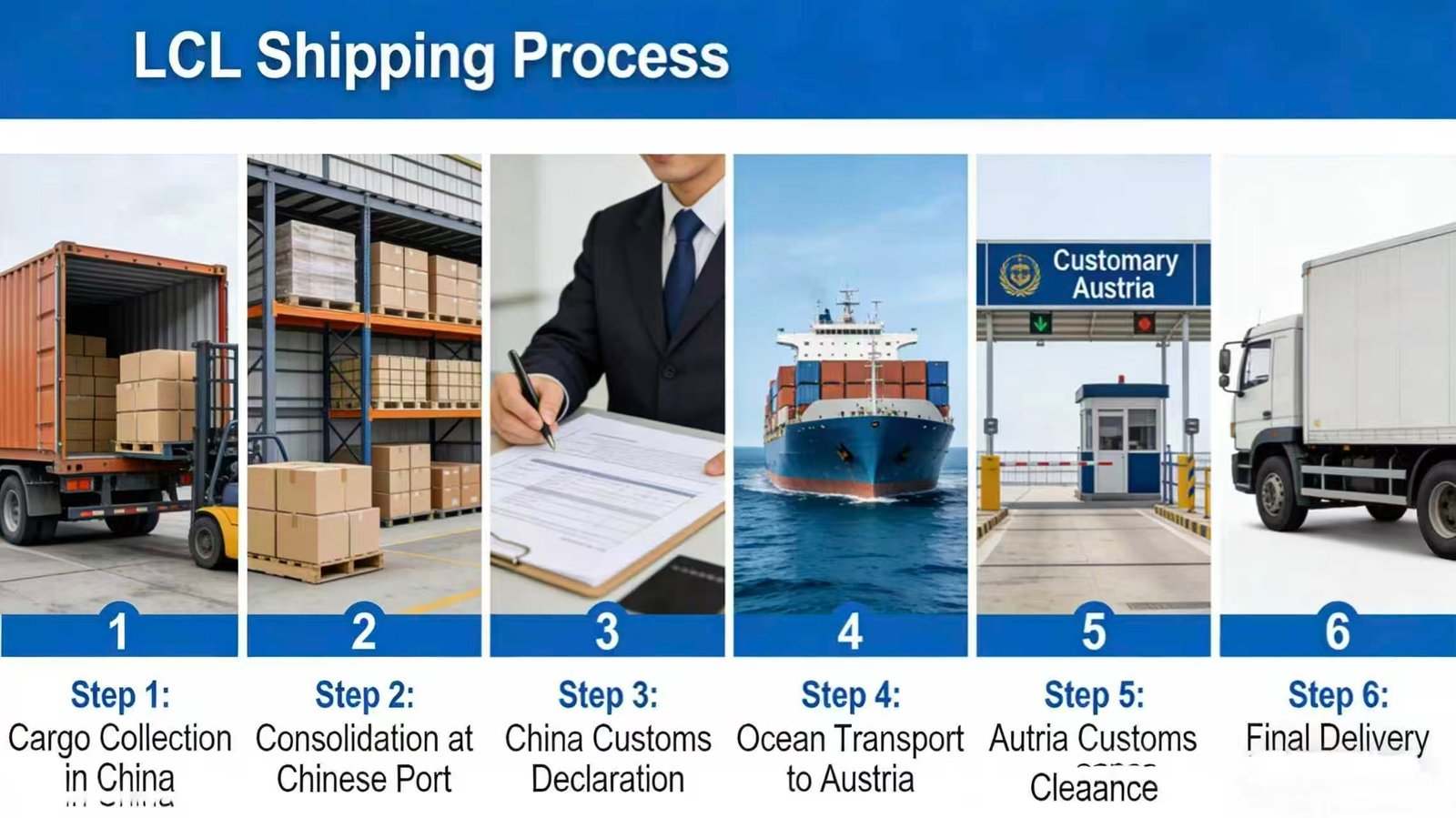 LCL shipping is better for small and medium shipments.
– Charged by CBM
– Shared container space
– Consolidation in China and deconsolidation near Austria’s main ports
– Average transit time: 28–36 days
Many first-time importers and e-commerce sellers choose this option to control cost.
Why port selection matters for Austria
Different ports affect both delivery speed and inland cost.
– Hamburg → Austria by rail: stable and widely used
– Koper / Trieste → Austria by rail: shorter sea distance and faster for southern regions
At BAT, we choose the port based on your cargo volume, destination city, and current rail schedules, not just the lowest ocean rate.
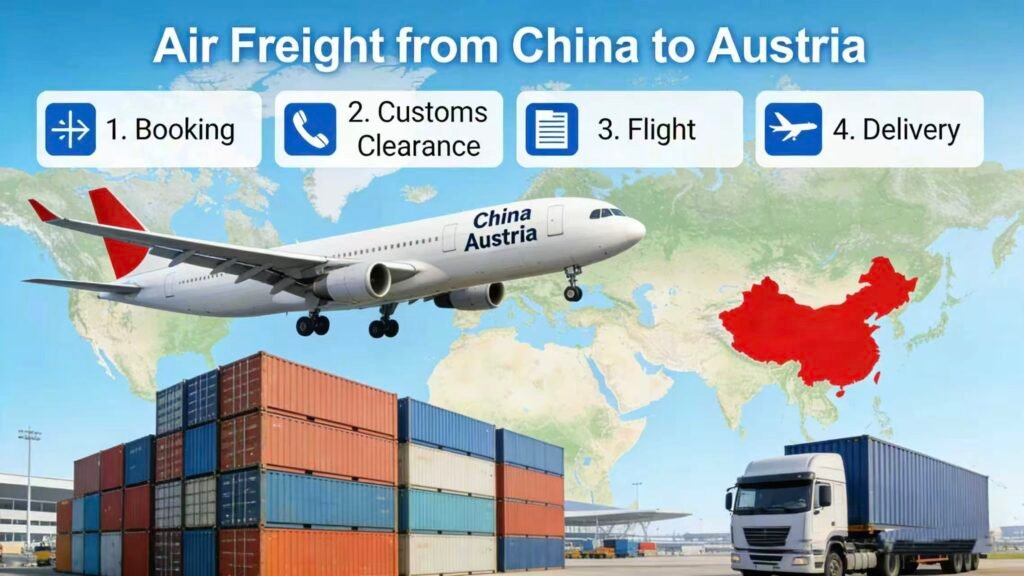
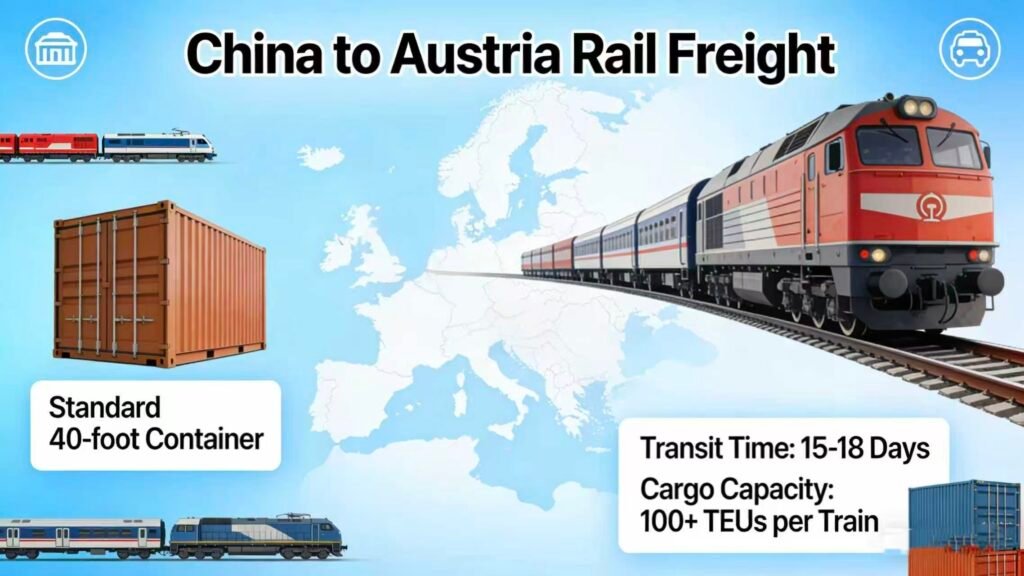
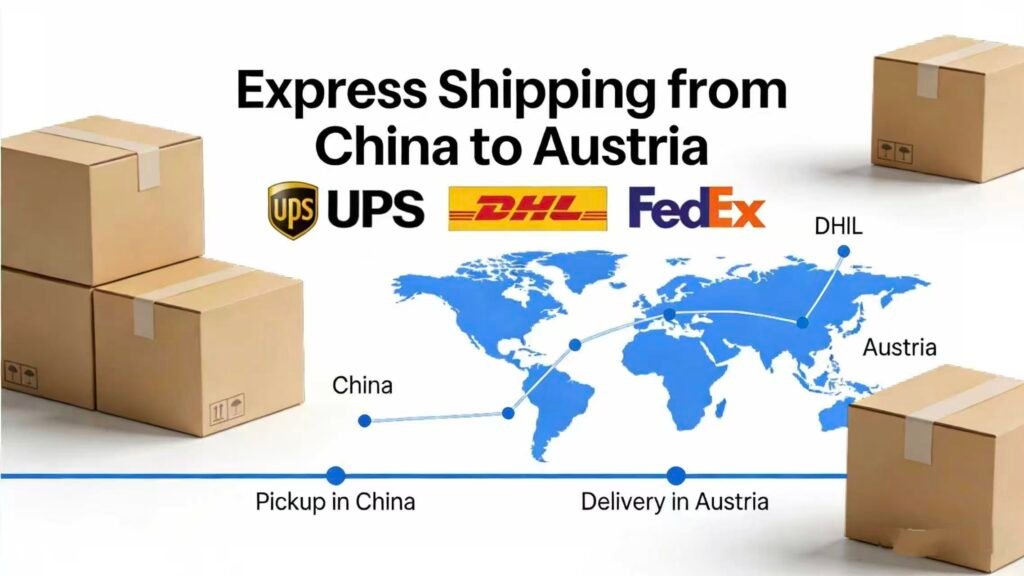
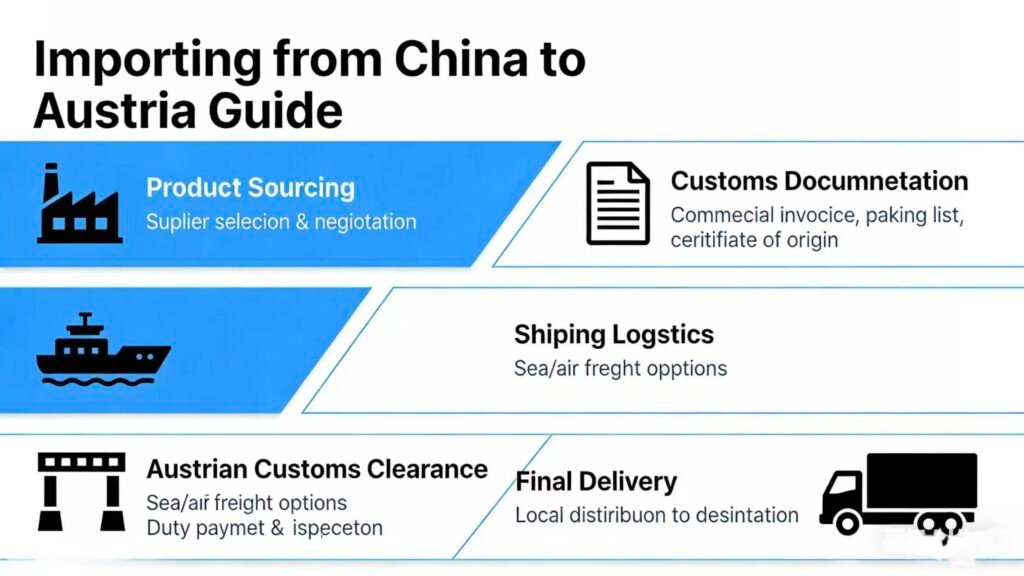
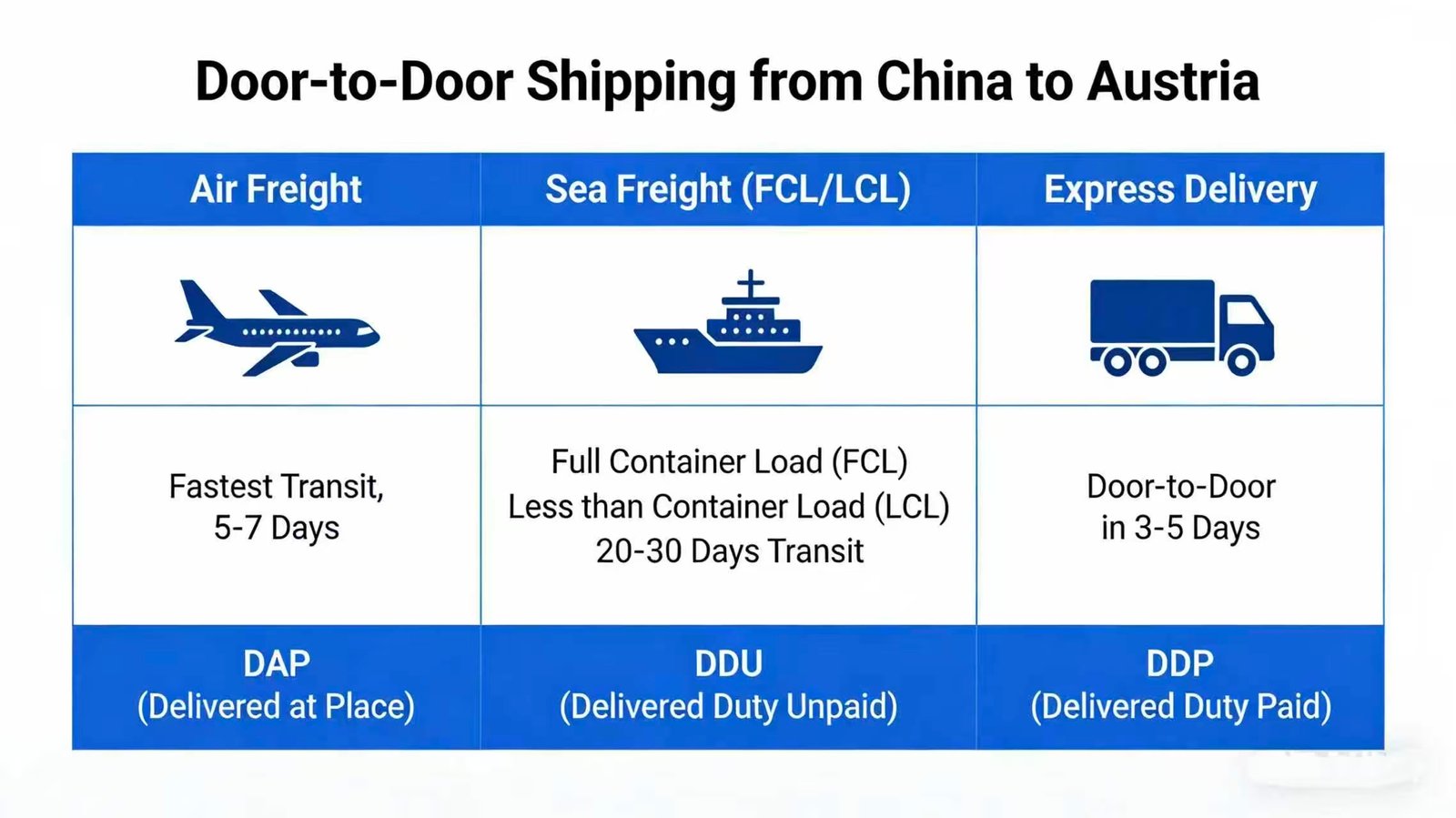 When you choose door-to-door shipping from China to Austria, you want a single partner to handle everything—from pickup at your supplier in China to delivery at your warehouse or customer in Austria. BAT provides a full-service solution, covering sea, air, rail, and express shipments, saving you time and minimizing complications.
Door-to-door service includes:
Collection from your factory or warehouse in China
Export customs clearance and documentation
Main transport via sea, air, rail, or express
Import customs clearance in Austria
VAT, duties, and final delivery to your address
Austria’s landlocked location and regional distribution make door-to-door shipping especially useful. Deliveries in major cities like Vienna, Graz, Linz, and Salzburg are usually completed within 1–2 days after customs clearance, while remote or mountainous areas may require an extra day due to local transport schedules.
Pricing for door-to-door services varies depending on shipment size, transport mode, and customs requirements. Typical transit times are:
Sea freight: ~30–40 days
Air freight: ~5–8 days
Rail freight: ~15–22 days
Express courier: ~2–5 days
With BAT, you get clear pricing, real-time tracking, and a dedicated contact to ensure your shipment from China to Austria arrives safely, on time, and fully compliant with EU and Austrian regulations.
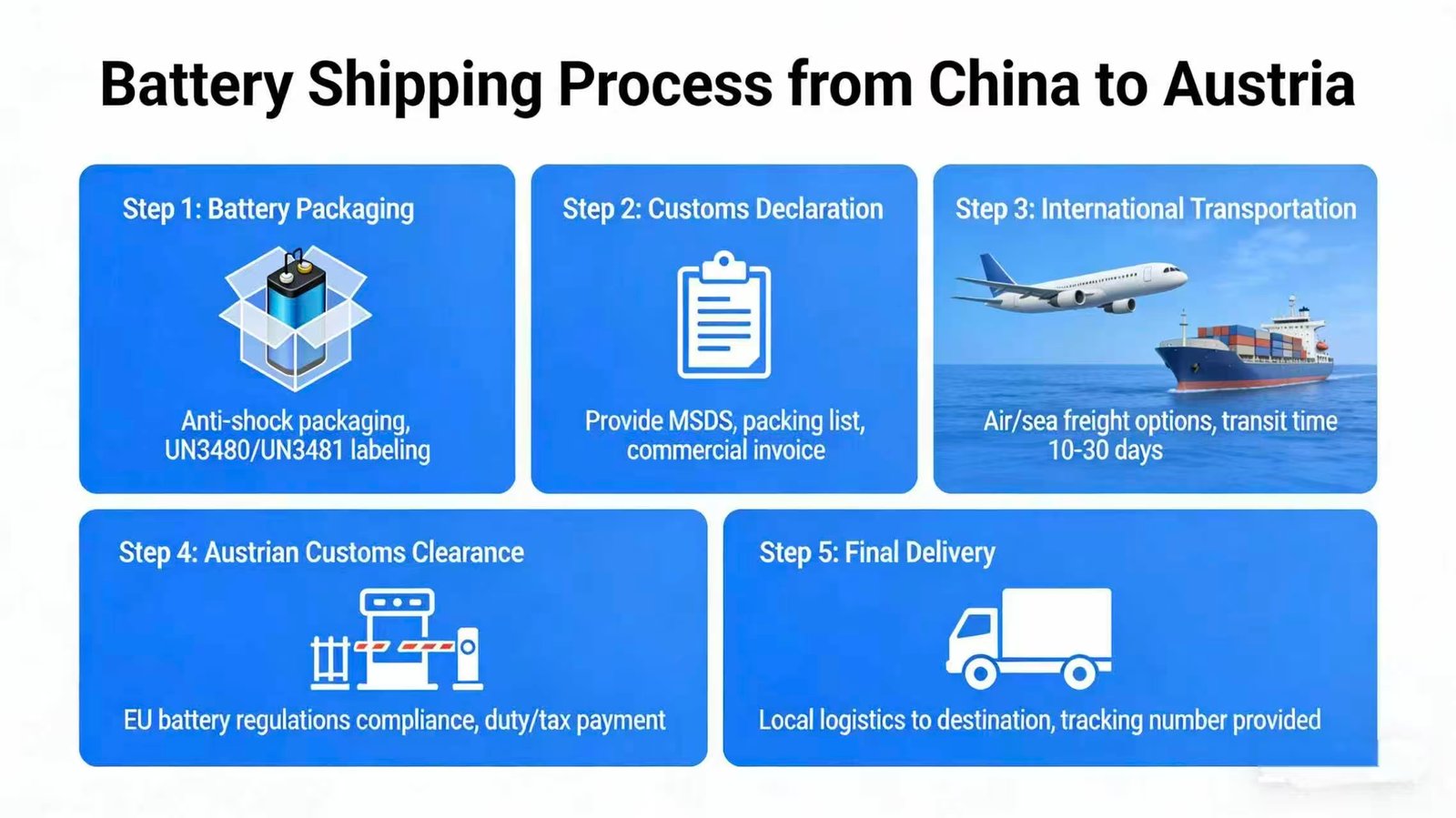 Shipping batteries from China to Austria requires special handling, documentation, and compliance with international safety rules. At BAT, we handle these details so your shipment meets airline, sea carrier, and Austrian import requirements without delays.
Lithium battery shipping from China to Austria
Lithium battery shipping from China to Austria must follow strict IATA and IMDG regulations because lithium cells and packs are considered dangerous goods. Depending on battery type (Li‑ion or Li‑metal), we check packaging, labels, MSDS, and declarations before booking.
Air freight transit time: ~5–9 days (with compliance checks)
Sea freight transit time: ~30–40 days (including port handling)
Express/DG services available for small urgent shipments
Shipping costs vary greatly by weight, battery type, and routing. In 2026 market conditions, typical rates for lithium battery shipments by air can range from USD 7.0–12.0 per kg, while sea freight for consolidated battery cargo can start from USD 80–120 per CBM, depending on shipping lines and capacity.
Car battery shipping from China to Austria
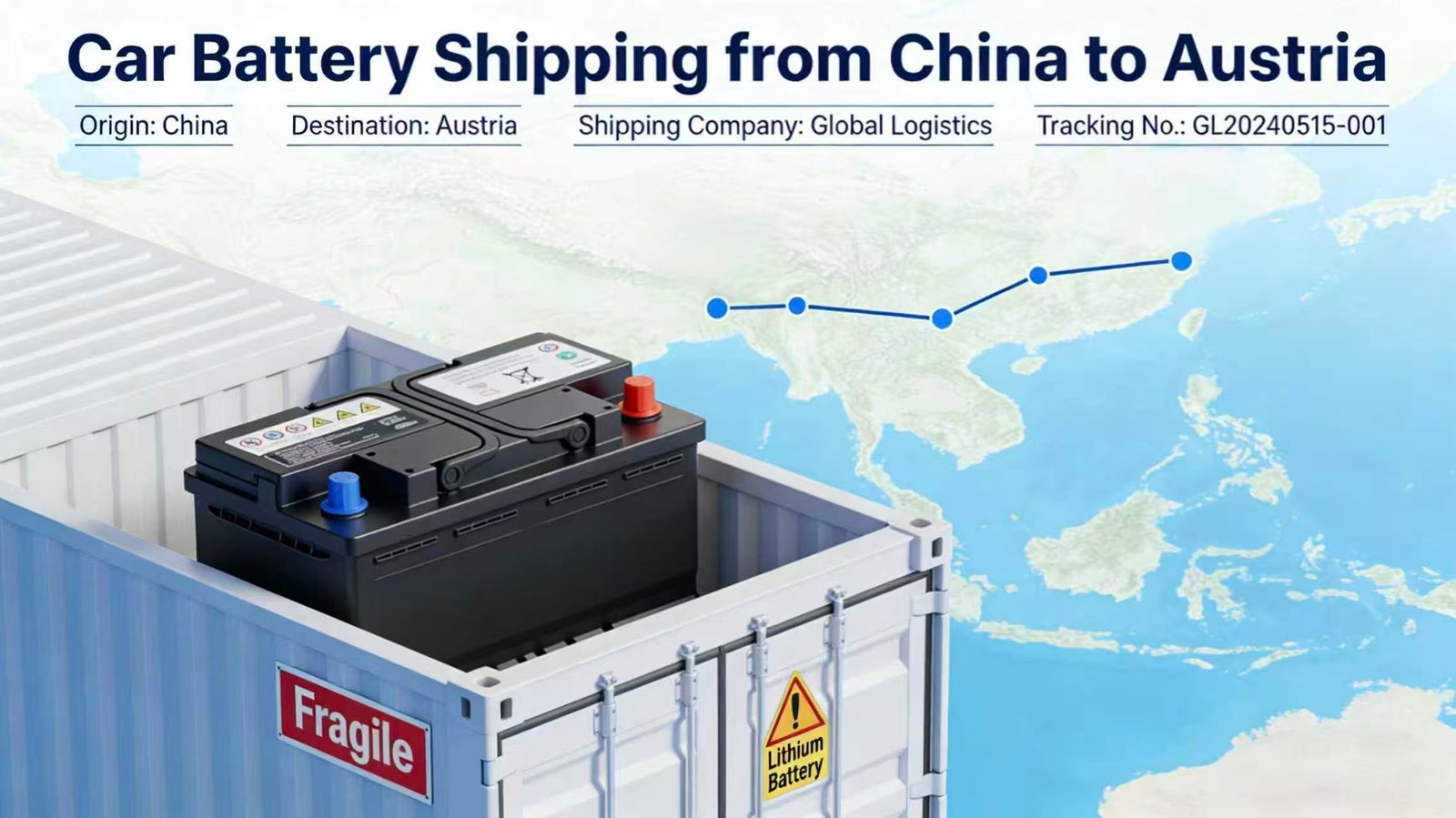 Car battery shipping from China to Austria (including lead‑acid and larger EV batteries) also falls under dangerous goods regulations. These batteries usually ship by sea freight due to weight and safety restrictions.
Transit time by sea: ~30–45 days to Austria via gateway ports (e.g., Hamburg, Koper, or Trieste)
Full container loads (FCL) are preferred for automotive batteries due to weight and handling
We arrange special lifting and securing procedures compliant with IMO and EU safety standards
Car batteries often attract additional port handling fees and terminal safety surcharges because of weight and hazardous classification. SpeedWin coordinates documentation and carrier booking to minimize unexpected charges and delays.
Austria specifics and customs
Austria’s customs authorities require full documentation for battery imports, including safety declarations and compliance certificates. After arrival at Austria’s main ports (e.g., Hamburg or North Adriatic gateways), cargo clears EU customs and then proceeds by rail or truck to destinations like Vienna, Graz, Linz, or Salzburg.
BAT prepares all required files, coordinates with carriers, and supports clearing processes so your battery shipments from China reach Austria safely and on schedule.
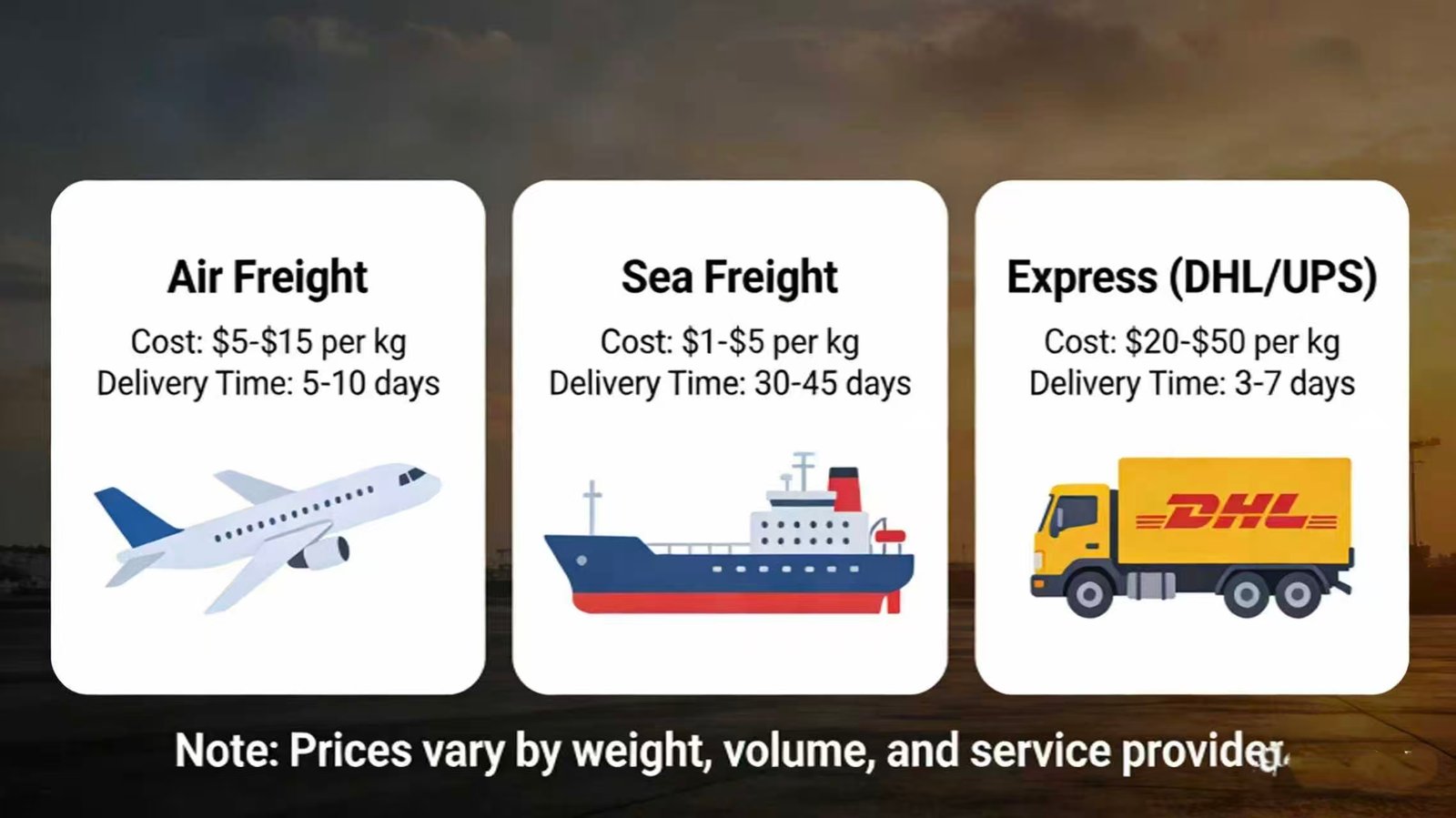 At BAT, we help you plan and control the shipping cost from China to Austria with real, up‑to‑date pricing and clear expectations. Austria’s landlocked location means sea freight via Northern European ports (like Hamburg) or North Adriatic ports (like Trieste/Koper) is combined with rail or truck inland delivery — so we always include inland logistics when estimating landed costs. Below is a detailed cost overview for the main transport methods based on recent market conditions in 2025–2026.
Estimated Shipping Cost Table (China → Austria)
| Shipping Mode | Estimated Cost | Transit Time | Notes |
|---|---|---|---|
| Sea Freight (FCL 20ft) | USD 1,665–2,500 per container | ~30–38 days | Includes sea + inland to Vienna/Linz/Graz |
| Sea Freight (FCL 40ft) | USD 2,880–4,800 per container | ~30–38 days | Best for large bulk cargo |
| Sea Freight (LCL) | USD 85–120 per CBM | ~32–40 days | Small and mid‑size shipments |
| Air Freight | USD 5.5–8.5 per kg | ~5–9 days | Fast delivery to Vienna Airport (VIE) |
| Rail Freight (FCL) | ~USD 5,200–5,800 per 40ft | ~18–22 days | Balanced cost and speed |
| Express Courier | USD 10–13 per kg | ~3–6 days | Ideal for parcels/samples |
| DDP Sea | USD 150–300 per CBM | Depends on mode | Door‑to‑door including duties & VAT |
| DDP Rail | USD 200–400 per CBM | Depends on mode | Complete inland delivery |
| DDP Air | USD 5.5–12 per kg | Depends on mode | End‑to‑end express air service |
Notes:
Sea freight costs vary by origin port (Shanghai, Shenzhen, Ningbo) and the choice of gateway port.
Prices can change based on fuel surcharges, seasonal peaks (Chinese New Year, holidays), and carrier capacity.
Express and DDP services include pickup, customs documentation, duties, VAT, and final delivery.
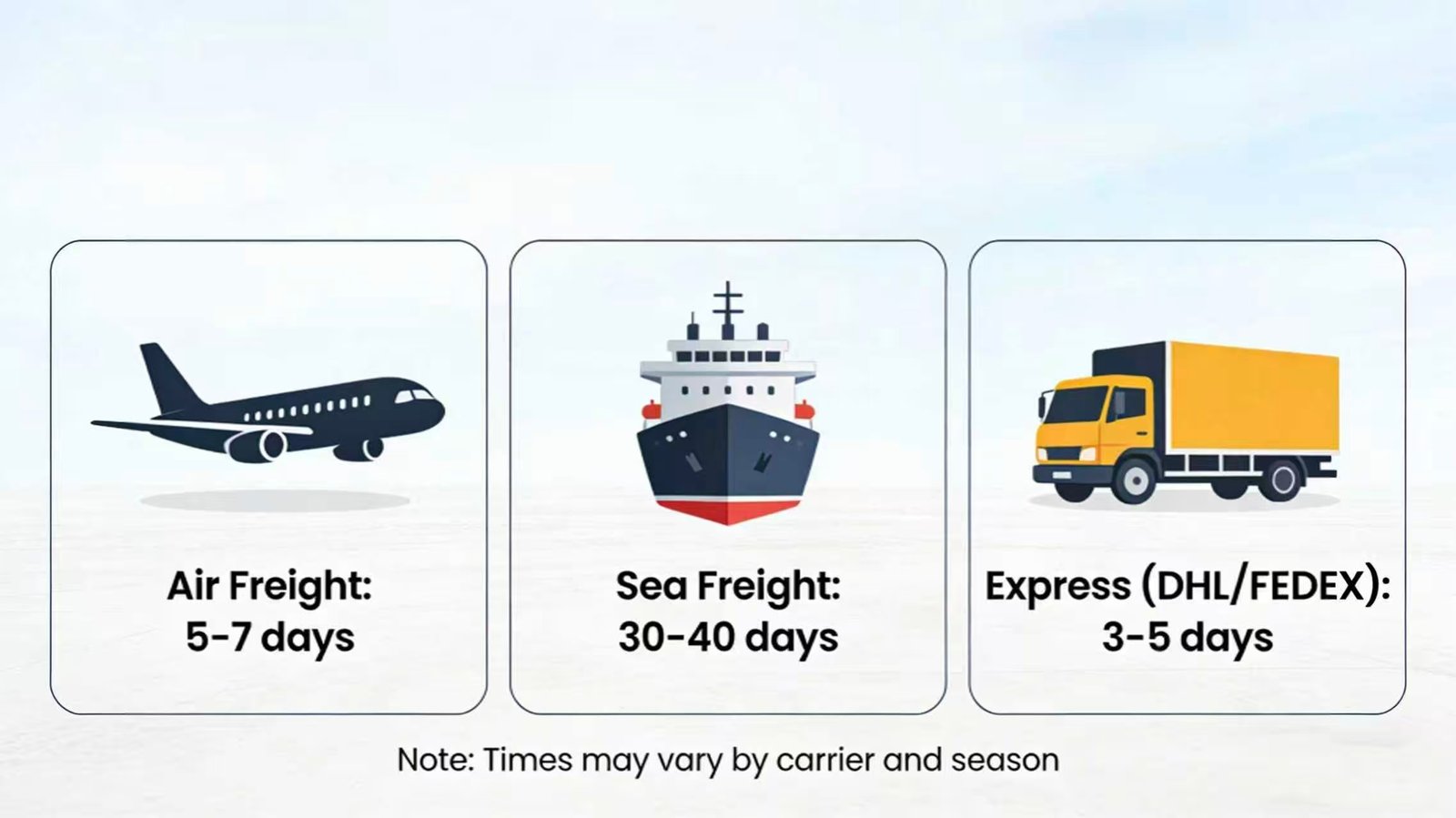 At BAT, we help you understand realistic transit times for shipments from China to Austria in 2026 based on current logistics patterns and routing. Transit times vary by transport mode, origin and destination points, and whether inland delivery in Austria is included. Austria’s landlocked location means most sea or rail shipments first enter Europe at gateway hubs before final delivery to Austrian cities like Vienna, Linz, Graz, and Salzburg.
Estimated Transit Time Table (China → Austria)
| Shipping Method | Typical Transit Time | Notes |
|---|---|---|
| Sea Freight (FCL/LCL) | 30–45 days | Port to Austria via European hubs (e.g., Hamburg, Rotterdam) + rail/truck delivery. |
| Air Freight | 3–7 days | Major airports in China to Vienna International (VIE). |
| Rail Freight | 14–22 days | China–Europe rail to Austria via Germany/Poland (no direct train, rail + truck). |
| Express Courier | 2–5 days | Door‑to‑door courier services (e.g., DHL, UPS, FedEx). |
| Door‑to‑Door (DDP) | 35–55 days | Includes customs clearance and final delivery. |
Notes: Transit times can vary due to seasonal demand, European inland delivery conditions, and customs processing in Austria.